
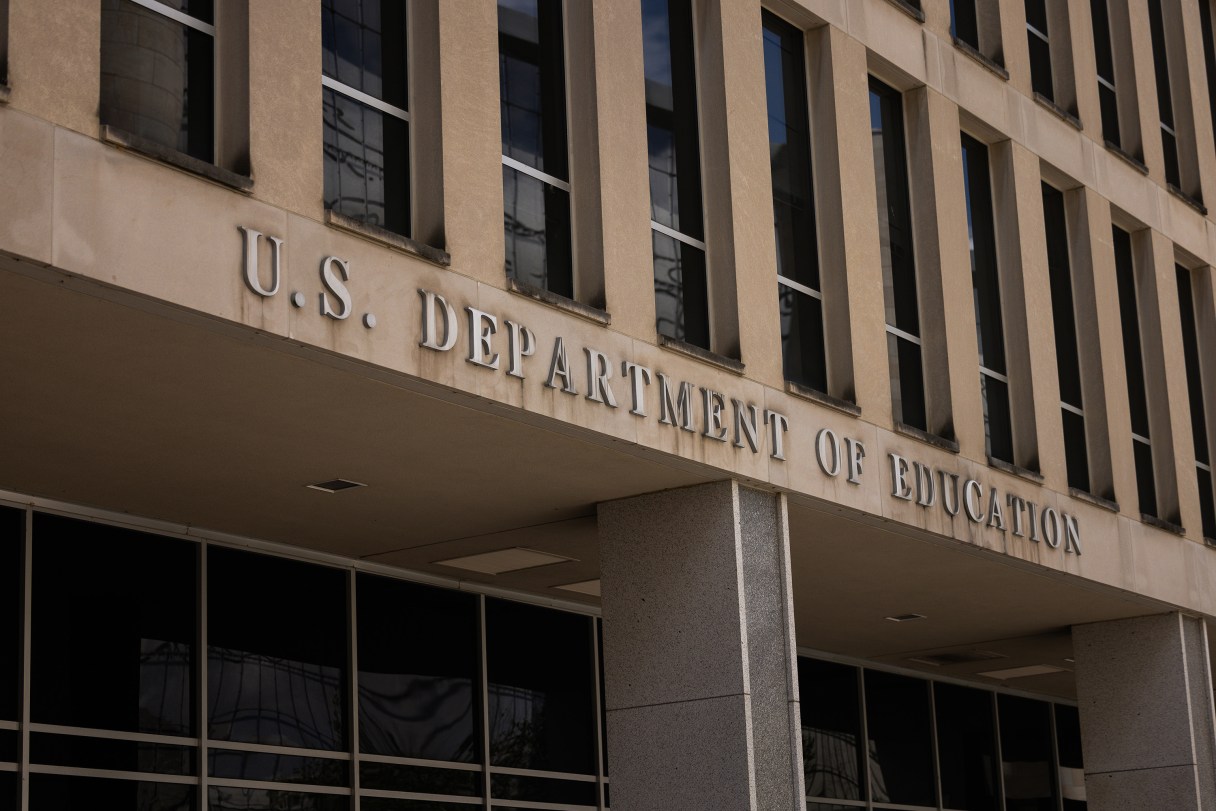
The Trump administration recently announced its plan to move oversight of Title I, the federal program serving roughly 26 million children living in poverty, from the U.S. Department of Education to the Department of Labor. The consequences could be far-reaching for families and schools across the country.
Title I is the largest federal investment in K-12 education for children living in poverty, multilingual learners, migrant students and students with disabilities. It helps schools pay for reading support, after-school programs, bilingual instruction, counselors and other services that make school possible for students facing hardship. Shifting this program to an agency built for workforce policy, not education, risks weakening the very supports Title I was designed to provide.
We come to this issue from both professional and personal experience, as brothers and former teachers. One of us (John) is a professor of education who studies equity and teacher preparation; the other (Matt) is an investigative journalist who has reported on public institutions and accountability. We grew up in a low-income, single-parent household and attended thirteen public schools across urban, rural and suburban communities. For us, Title I was often the difference between falling behind and staying afloat.
The program worked because it is governed by complex equity safeguards, rules that require deep expertise in education finance, accountability and civil-rights enforcement. Education officials have the knowledge and skills to support early literacy, serve multilingual learners, monitor civil-rights protections and ensure districts use federal funds as intended.
While the Labor Department plays a vital role, it is not designed to work in collaboration with K-12 schools.