
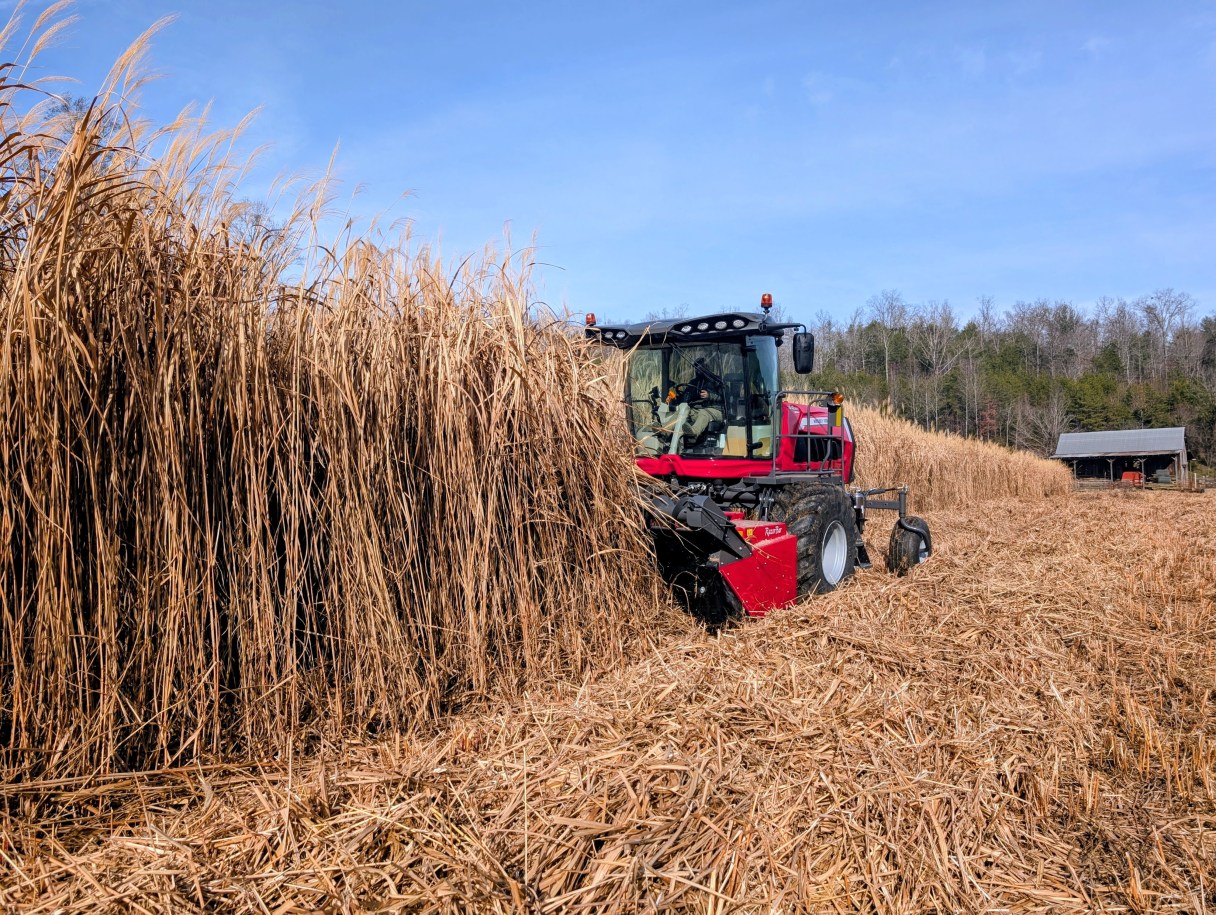
Your car could one day contain components partially manufactured from plants grown on Tennessee and Alabama farms.
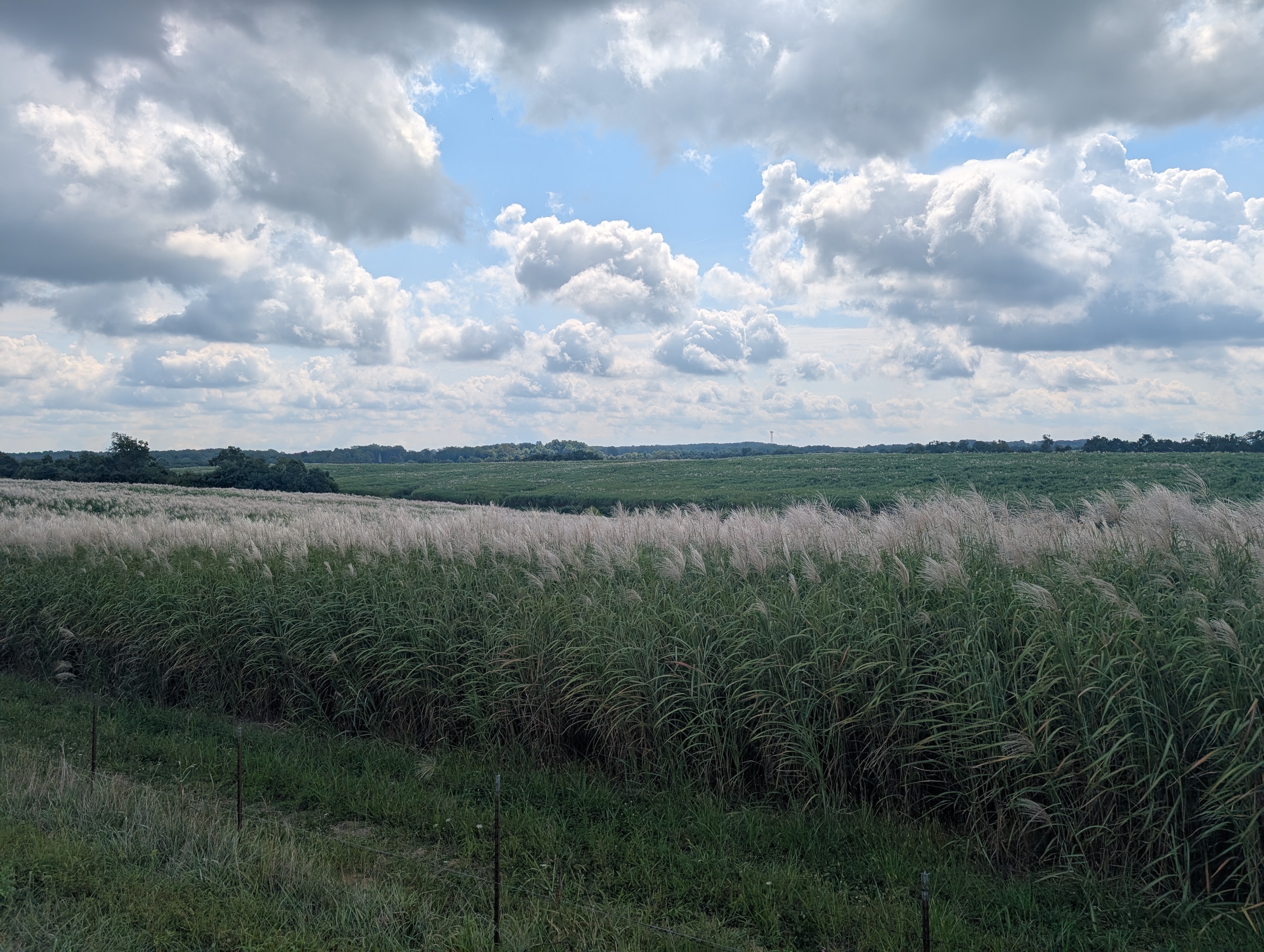
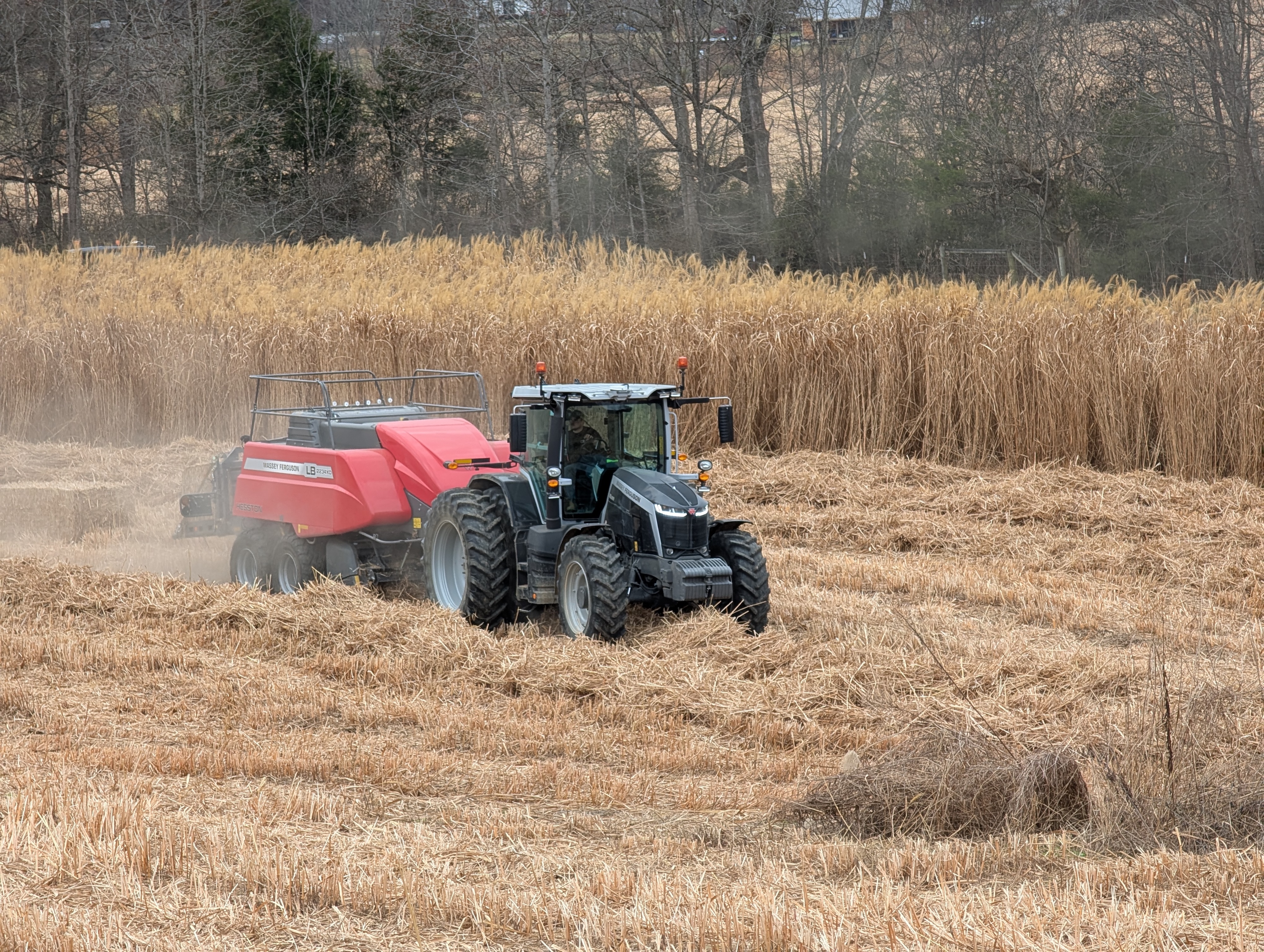
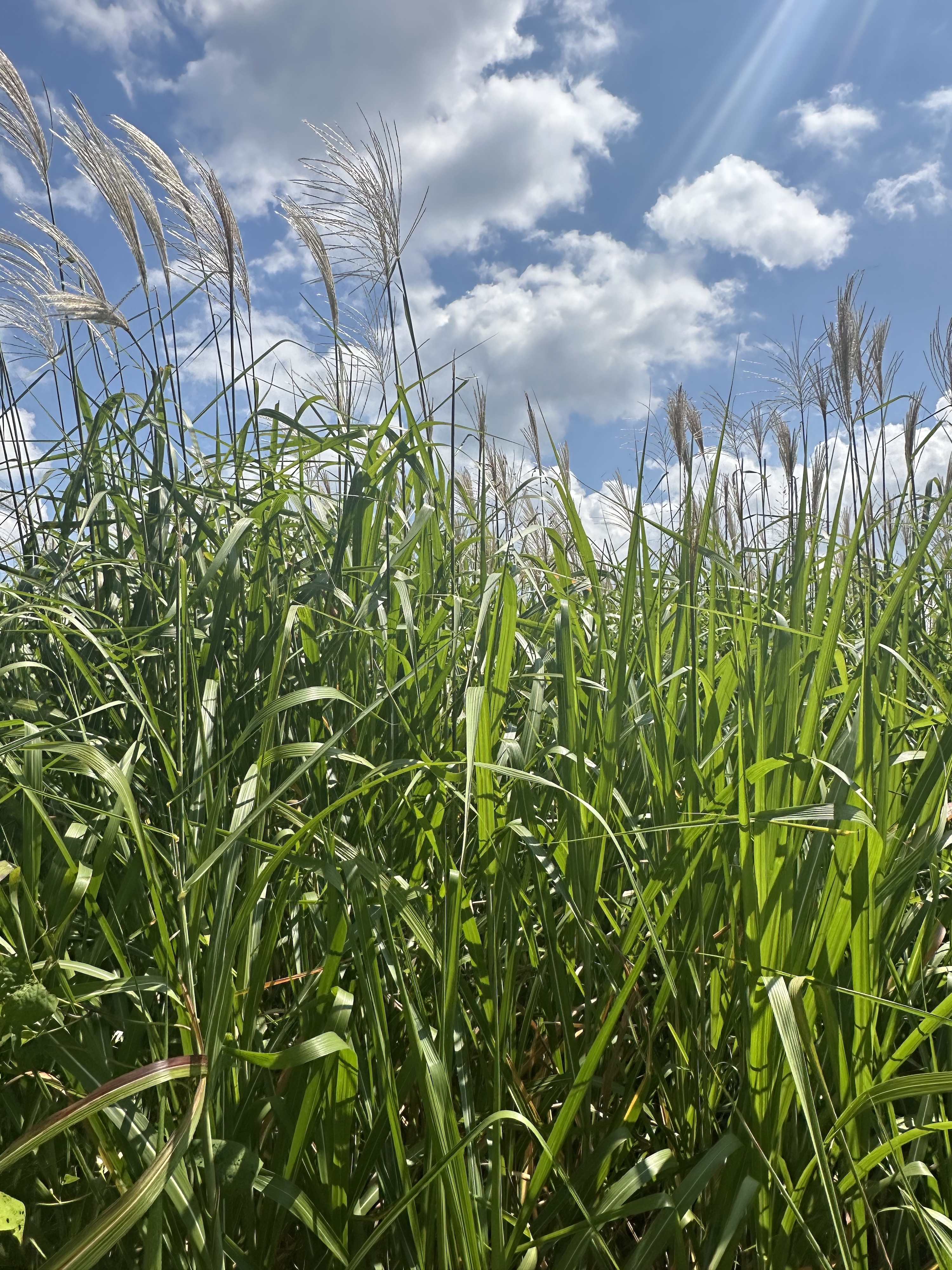
As part of a new research initiative, farmers in those two states will cultivate switchgrass, miscanthus and similar crops that experts can turn into vehicle parts, construction materials and other commercial products.
The HudsonAlpha Institute for Biotechnology in Huntsville — alongside a partnership consisting of universities and businesses — has received an initial $15 million from the federal government help jump-start those efforts. That funding could grow to $160 million over 10 years if the team meets its metrics.
(READ MORE: Chattanooga workers at Volkswagen logistics provider vote to unionize)
Volkswagen, which maintains its only U.S.-based production plant in Chattanooga, is among the partners on the initiative, and while the German automaker has not yet implemented bio-based technologies into its vehicle manufacturing, company officials see significant potential.
VW partnering in initiative to jump-start plant-based car parts
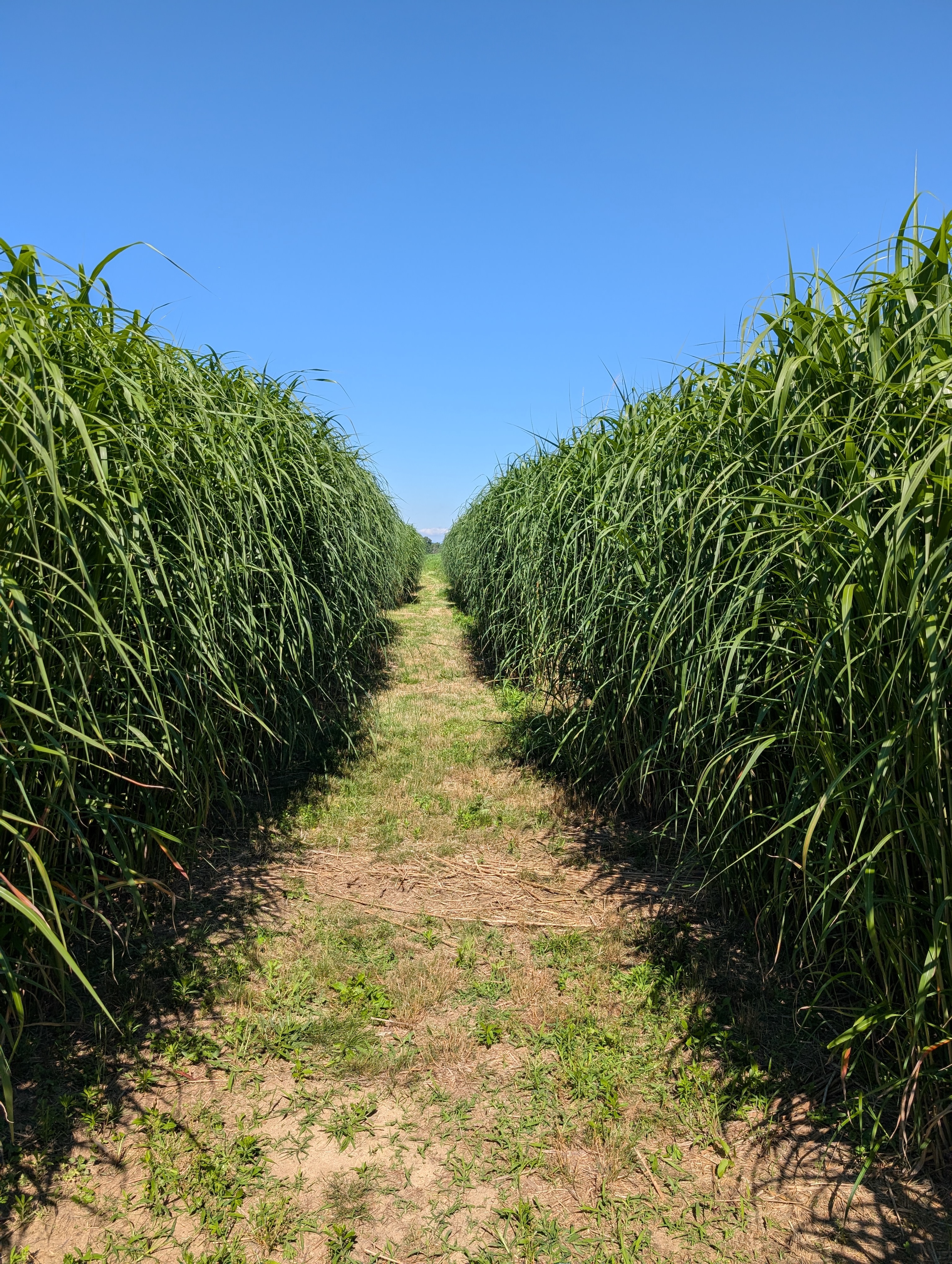
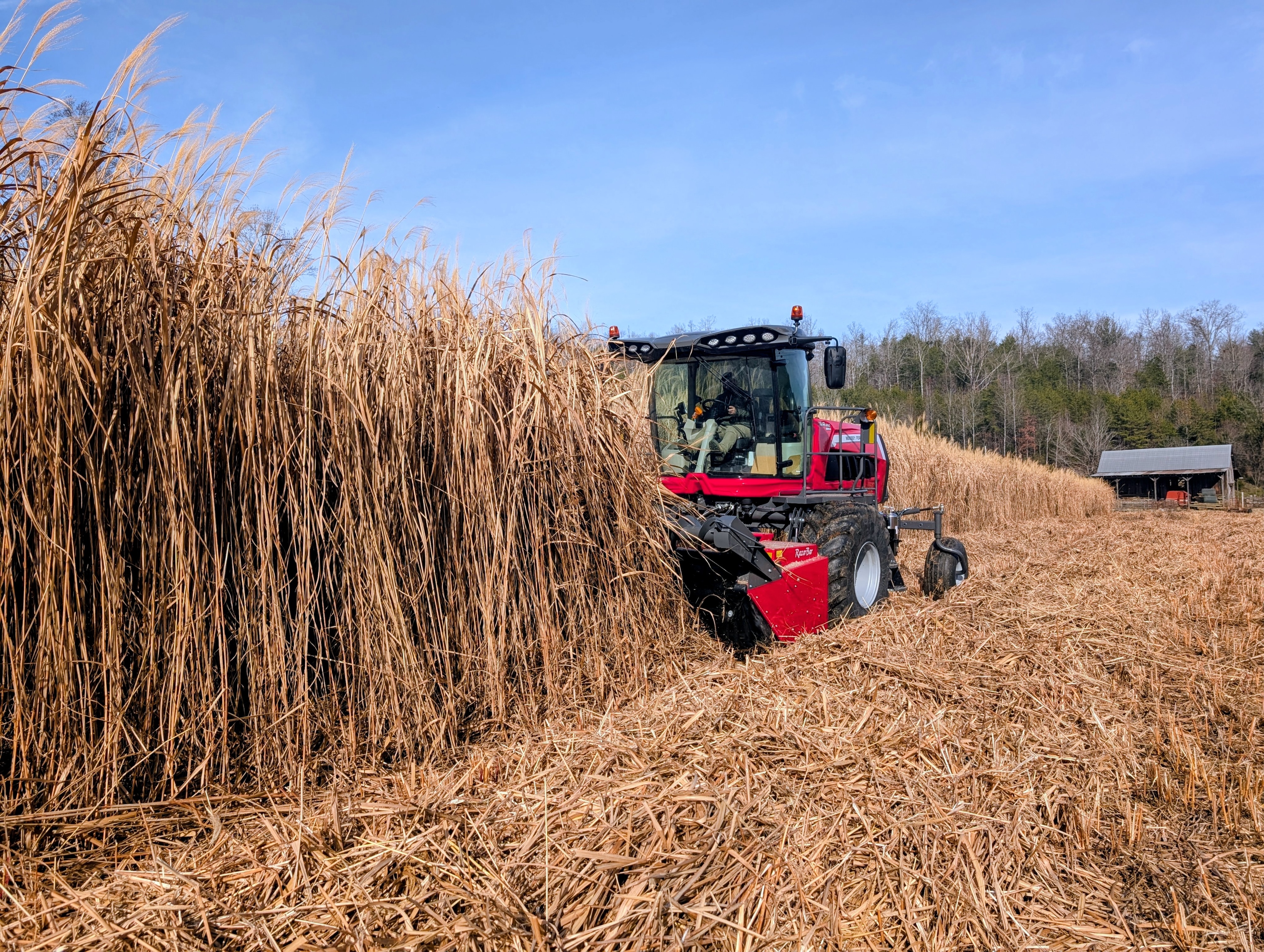
The initiative, called the Bridges Engine in Alabama and Tennessee, aims to turn underused farmland into a means for creating new jobs and strengthening rural economies, according to the group. Bridges takes its name from bio-based rural innovation for domestic growth and economic security, and the entity is housed within the HudsonAlpha Institute for Biotechnology.
As is, car interiors contain tons of plastic in parts like the console, door panels and dashboard, Bridges CEO Sam Jackson said.
Jackson said the bio-based replacements for those components retain the same durability and performance, but they consist of 60% cellulose drawn from grass combined with some recycled plastic. The parts are more sustainable, Jackson said, and they’re 25% lighter than the comparable plastic counterpart.
“If you think about light-weighting a vehicle, that’s improving gas mileage, that’s really helping the performance of that engine, and so it’s a really attractive product for the automotive manufacturers,” Jackson said by phone. “Volkswagen is a leader in that space and has really focused on this over the last several years as an innovation that they want to start putting into their commercial vehicles.”
According to Volkswagen, the initiative could help accelerate the development of next-generation materials for the automotive industry, strengthen U.S.-based supply chains and commercialize innovative technology with help from leading academic and industry partners.
Travis Hedrick, the CEO of the company AGgrow Tech, is another participant in the initiative, and he said his company has been working with miscanthus — a type of long, bladed grass with tufted ends — for more than a decade.
In addition to auto parts, products like oriented strand board — a construction material that consists of compressed wood strands — can now be manufactured using the grass, he said. Components like cellulose and lignin can be turned into composites for automotive industry and paper products.
AGgrow Tech is focused on commercializing those grasses, Hedrick said, working with universities to source different types of crops and then scaling them up to nursery farms. He works directly with farmers to help grow for specific industries and also teach them how to plant and manage the grasses.
“The companies are really what drive the farmers to grow these type crops,” Hedrick said by phone. “These crops aren’t typical commodities like we know today in the agriculture industry, where you’re basically growing on a speculative price point. Here, we’re growing a product that has a purpose. It’s grown for a customer like Volkswagen or grown for a pulp company that then can transform it into a paper plate or a packaging material.”
These kinds of grasses are generally intended for lower-productivity soil, Jackson said, meaning farmers can keep growing corn or soybeans while reserving switchgrass and miscanthus for dirt that’s less conducive to other crops.
These types of grass are also generally less time-intensive, he said, requiring little fertilization and upkeep once they’re established. They grasses are also perennial, meaning they grow back year after year.
“Our model is generally that these crops are additive to the farm operation and not disruptive,” Jackson said. “In other words, a farmer may choose to grow switchgrass or giant miscanthus, but they’re adding it. They’re not getting rid of something else they’re doing.”
The reality is that virtually all family farms across the Southeast have land that’s not producing a good return, Jackson said.
“This opens a new door to revenue to help those farms be more economically stable over the long term,” Jackson said.
(READ MORE: Volkswagen’s Chattanooga-made cars rebound amid global challenges facing brand)
Ultimately, the initiative aims to expand plant cultivation to 50,000 acres, generating $30 million in farm income annually and attract more than $2 billion in private investment to rural communities.
Additionally, the team hopes to create more than 4,000 manufacturing and supply chain jobs worth $280 million in annual wages and train more than 10,000 people across the agricultural, technical and manufacturing sectors.
Much of the funding the organization receives will go toward supporting innovation, Jackson said — creating new products and methods as well as improving manufacturing processes. Federal money will also support commercialization, speeding up the process at which the innovations go to market.
“We’re really focused on rural economic development,” Jackson said. “We want to use these funds to build agricultural markets, bring in new manufacturing into rural communities that create jobs, that give those workers in those areas a better life.”
Contact business reporter David Floyd at dfloyd@timesfreepress.com or 423-757-6249.