
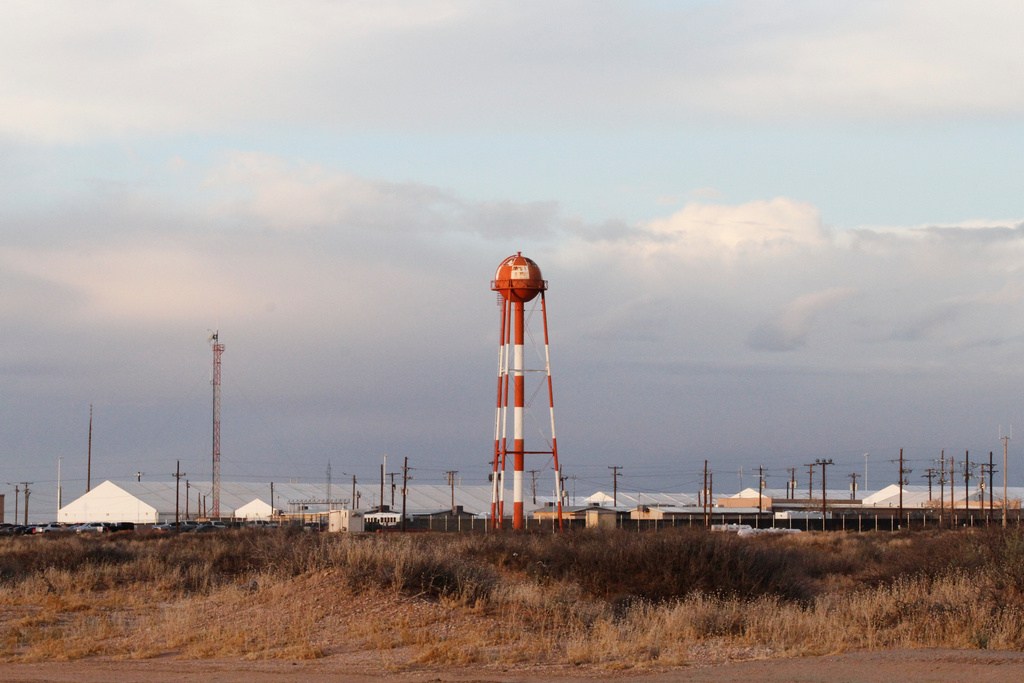
EL PASO, Texas (AP) — The calls to 911 poured in from staff at Camp East Montana in Texas, the nation’s largest U.S. Immigration and Customs Enforcement detention facility, at a rate of nearly one a day for five months, each its own tale of pain and despair.
A man sobs after being assaulted by another detainee. Another bangs his head against the wall after expressing suicidal thoughts. A pregnant woman complained of severe back pain and also had coronavirus.
“Every day felt like a week. Every week felt like a month. Every month felt like a year,” said Owen Ramsingh, a former property manager in Columbia, Missouri, who spent several weeks in the camp before his deportation in February to the Netherlands. “Camp East Montana was 1,000% worse than a prison.”
Fueled by billions of dollars in new funding, ICE operations across the nation have roiled communities, separated families and created a culture of fear in pursuit of President Donald Trump’s vow to rid the country of unauthorized migrants.
___