
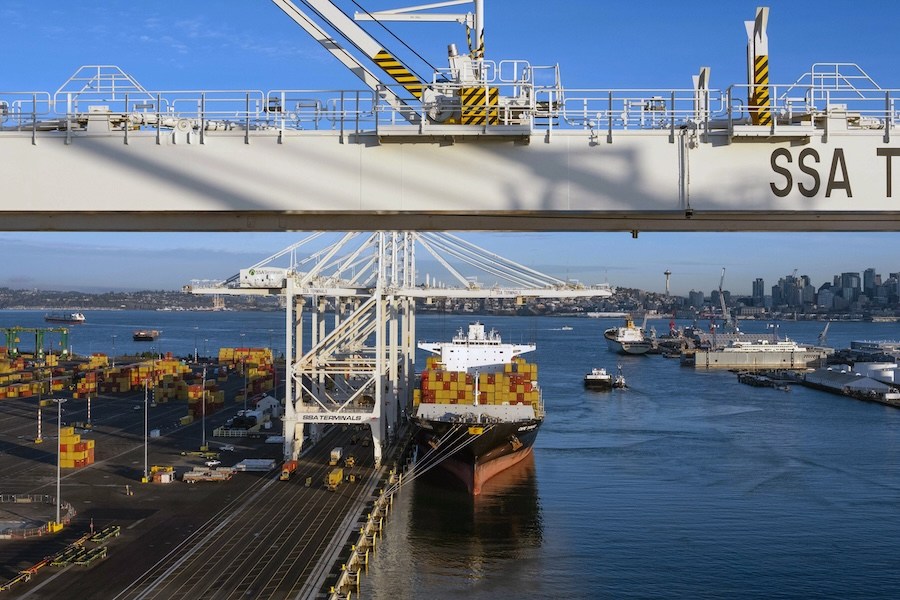
WASHINGTON — As soon as the Supreme Court struck down President Donald Trump’s steep global tariffs last month, a flood of U.S. businesses began to file lawsuits in the hopes of getting their money back.
But there was a problem, or so the administration later said: It could take the government as many as 4,431,161 hours to manually process all of the refund requests.
By its own count, there were more than 53 million entries for goods — cars, toys, clothes and more — that were subject to illegal duties during the most punishing phase of Trump’s trade war. To return all the money, the government told a judge, it would need more time.
The admission has come to underscore the legal and technical obstacles that surround the roughly $166 billion collected under Trump’s now-invalidated emergency duties. From the beginning, the administration had warned that it would be difficult and perhaps damaging to return that tariff money to the businesses that have shouldered the bill for more than a year. But Trump and his aides have not always taken steps to make the forthcoming refund process simpler, either.
Trump has made clear he opposes returning any tariff money, which he has long heralded as a fiscal boon for Washington. His administration has already tried to slow the process in court. And the president has maintained that it could take years to complete the legal wrangling over what the governments owes, suggesting that he may try to thwart refunds in other ways, too.