
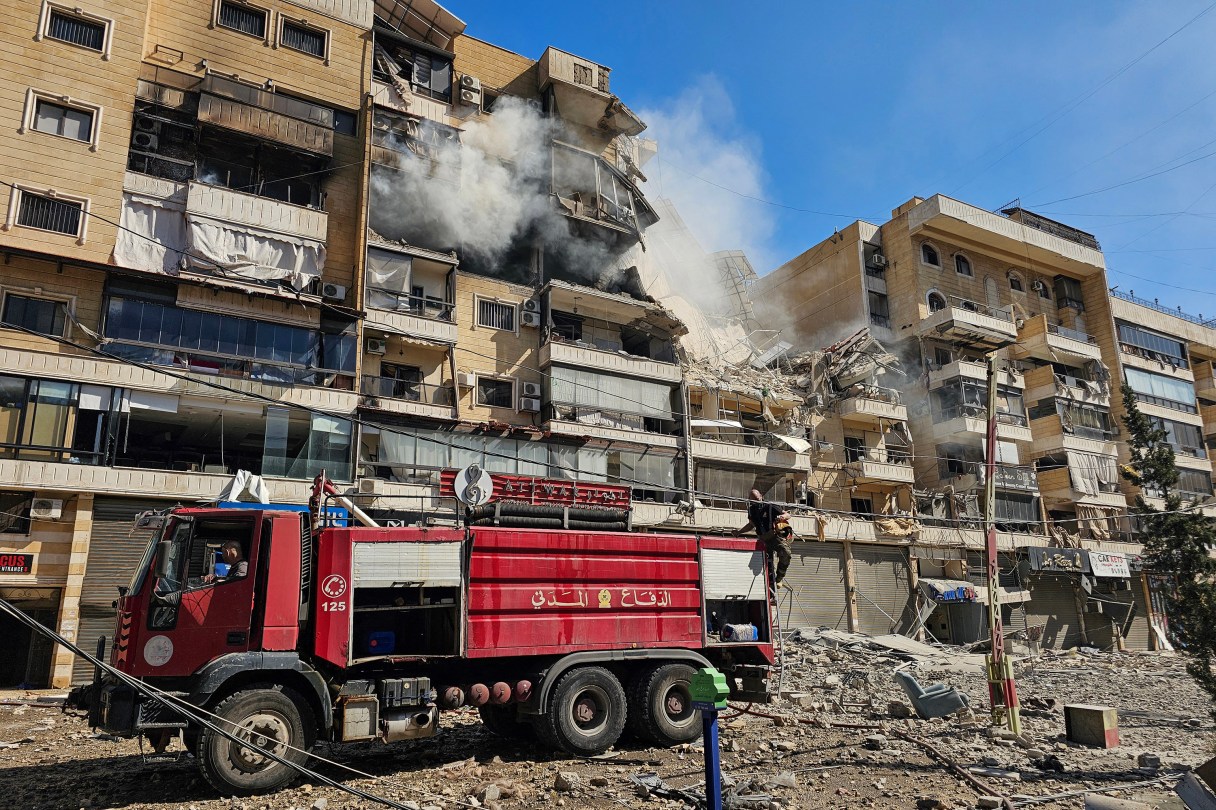
For those old enough to remember the first Gulf War, the scenes feel painfully familiar: Smoke rising over Tehran. Babies carried out of a bombed-out hospital in incubators. Missiles striking cities across the Middle East. Oil markets in turmoil as Iran threatens to close the Strait of Hormuz. The war of choice that began with Israeli and American strikes on Iran is widening by the hour, pulling in multiple countries, including NATO allies, and producing casualties that mount by the day.
Much of the early discussion has focused on obvious questions. How far will the conflict spread? How many people will die? What will it cost the United States in money, lives, and global stability?
Those questions matter. But they leave another one largely unexplored.
How did the United States enter another war in the Middle East in the first place?
There was no extended congressional debate authorizing war. No national moment of deliberation weighing risks and consequences. President Donald Trump ordered the strikes first. The discussion followed.