
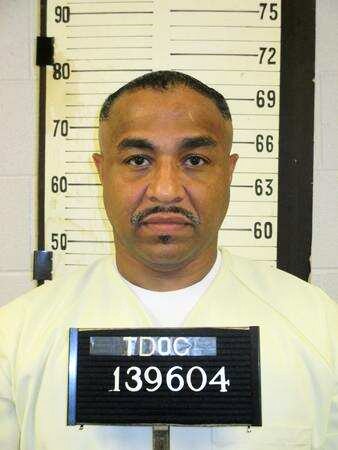
On April 26, 1996, after securing the convictions of James Montgomery and Tony Carruthers for a triple murder, Shelby County prosecutors asked jurors to sentence the men to death. In making the case that the murders were “heinous, atrocious and cruel,” they highlighted a medical examiner’s grim testimony that the three victims — Marcellos Anderson, his mother Delois and Anderson’s teenage friend Frederick Tucker — had been buried alive in a North Memphis cemetery.
“If these murders don’t qualify for the death penalty, then none ever will,” then-prosecutor Bobby Carter told the jury, according to a report in the Commercial Appeal. “If you want to know or have an idea what it’s like to suffocate, just hold your breath for 30 or 45 seconds. We can never know how Delois and Marcellos and Frederick felt.”
After deliberating over what another prosecutor had described as “horrible, almost unmentionable, haunting facts,” the jury gave Montgomery and Carruthers three death sentences each.
But in the decade that followed the trial, as post-conviction litigation played out in the courts, testimony from other forensic experts cast serious doubt on those supposed facts. Now, with the state set to execute Carruthers on May 21, his attorneys are arguing not only that forensic testing might prove his innocence, but that his death sentence was based on an inflammatory falsehood.
“The notion that the victims were buried alive is false and a myth propagated by the state at trial to secure a conviction at any cost and the most harsh punishment possible,” Amy Harwell, one of Carruthers’s attorneys at the Federal Public Defender’s office, told the Nashville Banner in a statement.