
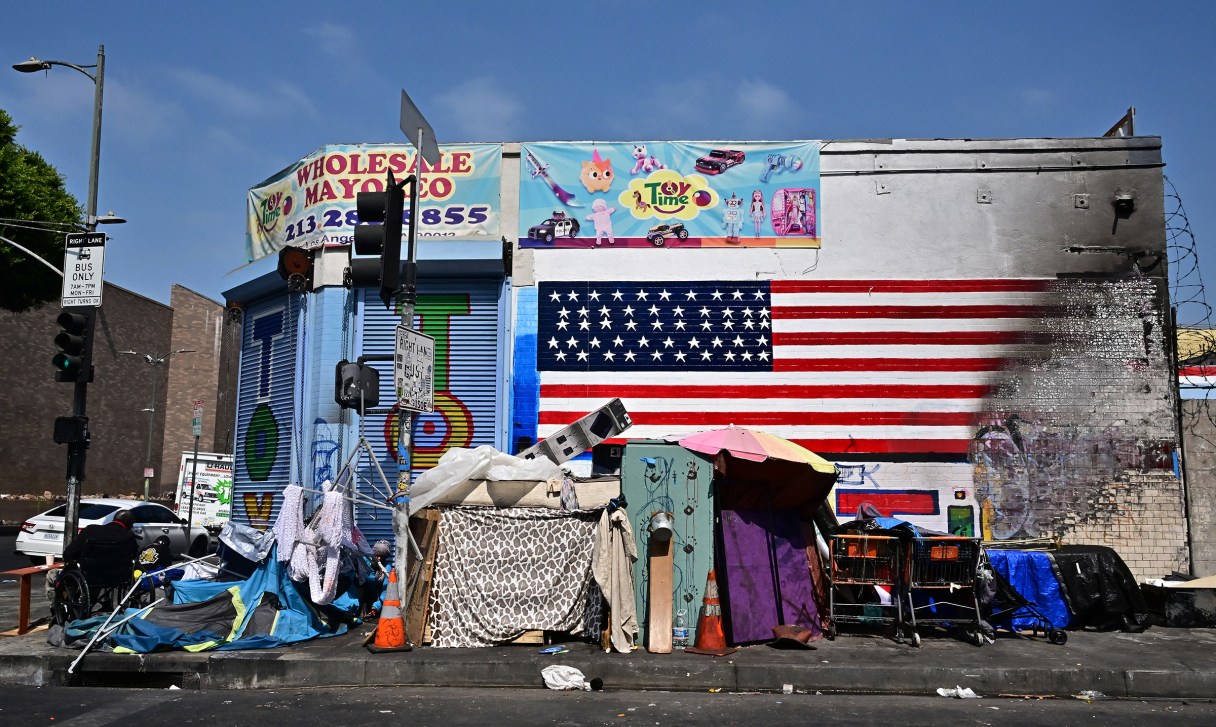
A controversial plan in Utah to build a remote “homeless campus” is being hailed in some quarters as a bold new approach to the nation’s soaring homeless population.
The plan, developed in the wake of President Donald Trump’s executive order on homelessness, reflects a broader national shift toward centralized services, stricter enforcement of laws against living on the street, and expanded use of involuntary psychiatric and substance use treatment against unhoused individuals.
Supporters see Utah’s initiative as a “bold” alternative. Critics see a costly, coercive model that departs from the evidence on what actually reduces homelessness.
A new report sponsored by the Corporation for Supportive Housing raises serious doubts about whether the project can deliver.
The proposed facility, located seven miles outside of Salt Lake City, would combine multiple services on a single campus: a large emergency shelter, an “accountability center” providing involuntary substance use treatment, and a psychiatric unit with hundreds of beds.