
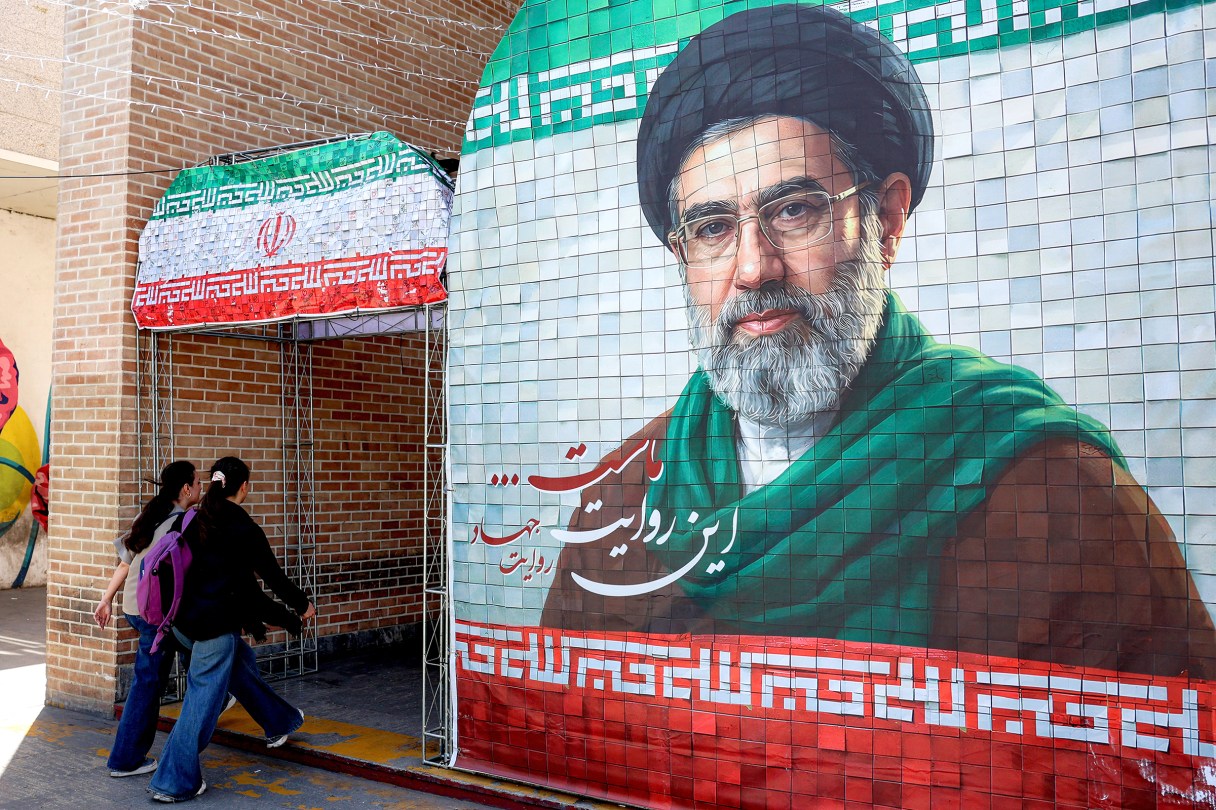
Virtually from the moment U.S. bombs started falling on Iran on Feb. 28, the White House has been twisting itself into verbal knots to avoid calling the conflict a “war.” On May 1, the president declared hostilities had officially “terminated,” as a fragile ceasefire had been in effect since April 7. When shooting resumed, the Pentagon described fresh attacks on Iranian speedboats as a “clinical application of defensive munitions.” Secretary of State Marco Rubio recently reiterated that the war had “concluded” after the U.S. had “achieved the objectives” of Operation Epic Fury.
Most Americans can see through such euphemism. The Republican majority in Congress, which represents them, ought to open its eyes.
Driving these rhetorical gymnastics is the 1973 War Powers Resolution. It requires the White House to notify Congress within 48 hours if U.S. forces engage in hostilities — and then to end fighting within 60 days unless authorized. That deadline passed May 1. Meanwhile, other than defeating Democratic-sponsored measures to end the war by smaller and smaller margins, legislators have taken no official position on the conflict. Nor have they explicitly authorized funding for it, since the administration has yet to put forward a supplemental request to cover the cost of operations in the Middle East.
Even Republicans who back the war know how unpopular it is. Those who oppose it fear crossing the president and potentially losing their next primary. Both camps can fairly argue that they’re following bipartisan tradition: Presidents Bill Clinton and Barack Obama used similar dodges to continue air campaigns in Kosovo and Libya past the 60-day deadline.
Indeed, Congress hasn’t declared war since 1942 and hasn’t formally authorized military force since 2002.