
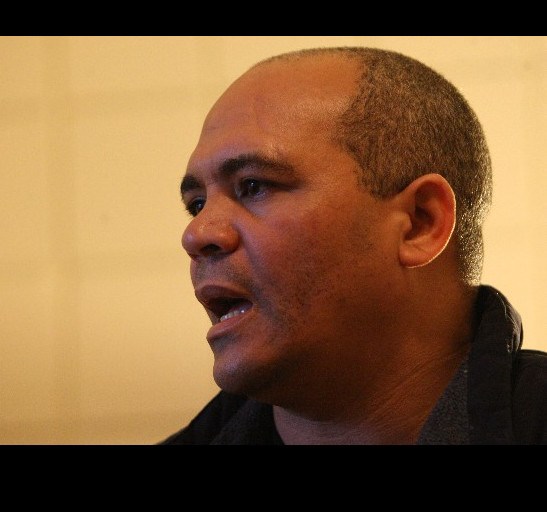
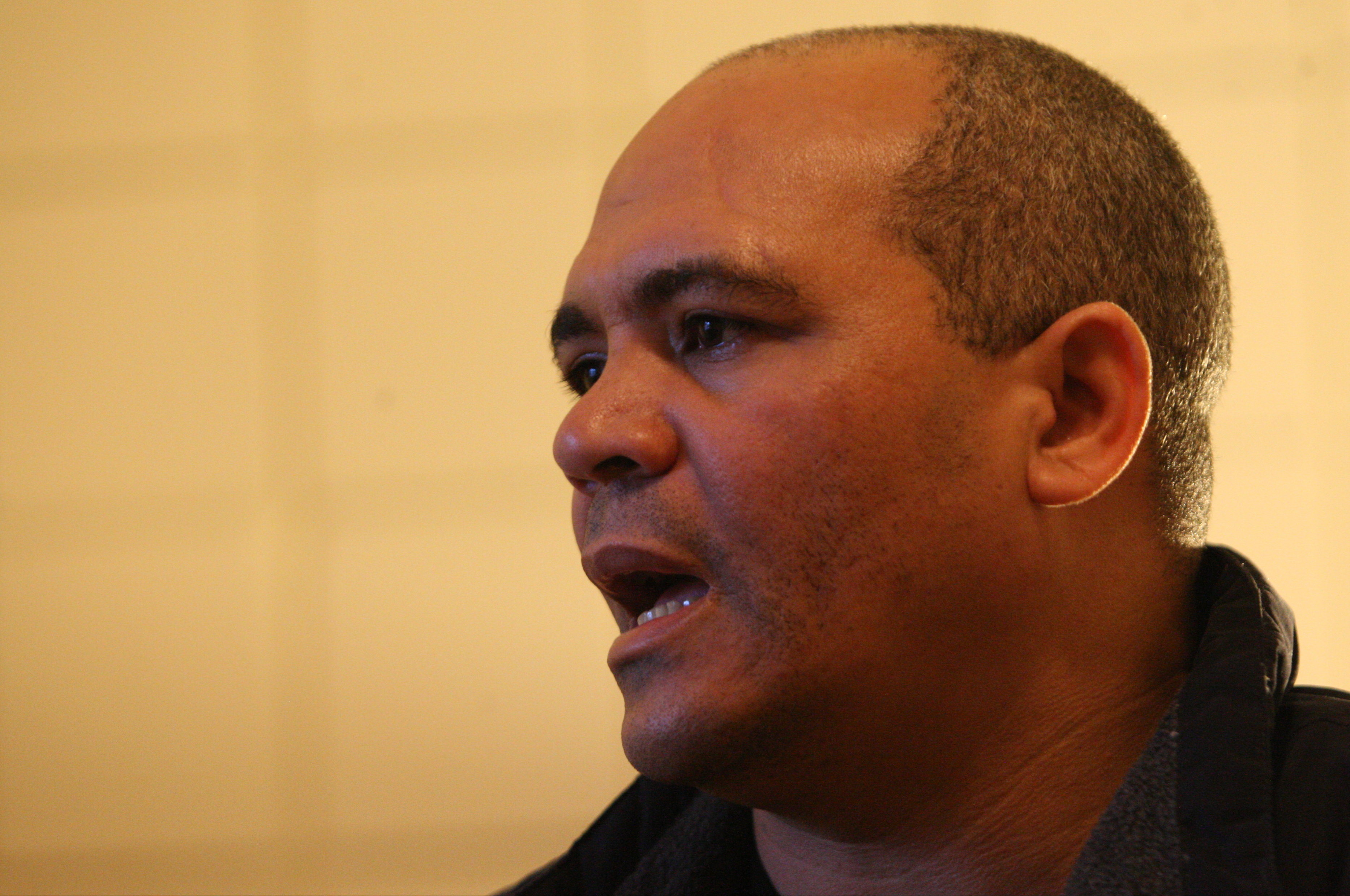
 Andres Carrion Alvarez
Andrés Carrión Alvarez lifted a black T-Mobile cellphone toward his eyes. He studied it. Then he began to speak, slowly, in Spanish.
“The government fears this little device,” he said through a translator in the living room of his Chattanooga apartment. “This is the source of all their problems.”
As Carrión placed the phone back on his table, he talked about the spread of information in Cuba. Almost no one can afford the Internet, he said. And he didn’t get a cellphone until 2012, when a friend gave him one.
A modern phone means information, he said. And information means power. Cellphones are special because they can be concealed, and its owners can record conversations with them. Sometimes members of Carrión’s group, the Patriotic Union of Cuba, smuggle them into jails to expose abuses.
Carrión, a Cuban rebel who was arrested several times after speaking out against Fidel and Raul Castro’s dictatorship, moved here in November when the United States granted him political asylum. Hours before he met with reporters Thursday afternoon, The Associated Press broke the news that the U.S. government had secretly attempted to organize protests by gaining access to Cubans’ cellphones and sending them text messages.