
Wednesday, November 11, 2026Nov 11

As North Koreans use phones, state finds new ways to censor

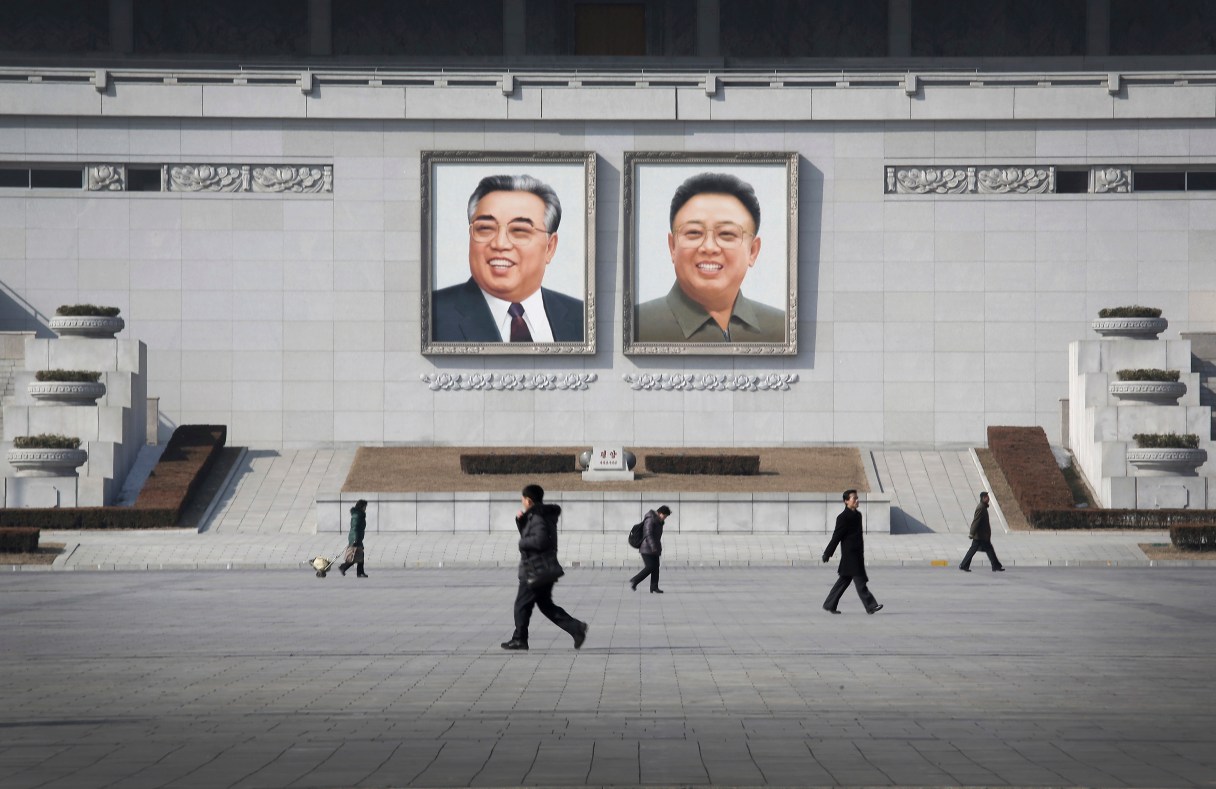
FILE - In this Feb. 13, 2017 file photo, people walk past portraits of the late North Korean leaders Kim Il Sung and Kim Jong Il at Kim Il Sung Square in Pyongyang, North Korea. North Koreans have gained greater access to media and devices like cellphones over Kim Jong Un’s five-year rule, with private citizens of the long-isolated, totalitarian country achieving unprecedented connectedness. But their embrace of a state-controlled network has opened the way to unprecedented government censorship and surveillance.  (AP Photo/Wong Maye-E, File)
FILE - In this Feb. 13, 2017 file photo, people walk past portraits of the late North Korean leaders Kim Il Sung and Kim Jong Il at Kim Il Sung Square in Pyongyang, North Korea. North Koreans have gained greater access to media and devices like cellphones over Kim Jong Un’s five-year rule, with private citizens of the long-isolated, totalitarian country achieving unprecedented connectedness. But their embrace of a state-controlled network has opened the way to unprecedented government censorship and surveillance. (AP Photo/Wong Maye-E, File) FILE - In this Feb. 13, 2017 file photo, people walk past portraits of the late North Korean leaders Kim Il Sung and Kim Jong Il at Kim Il Sung Square in Pyongyang, North Korea. North Koreans have gained greater access to media and devices like cellphones over Kim Jong Un’s five-year rule, with private citizens of the long-isolated, totalitarian country achieving unprecedented connectedness. But their embrace of a state-controlled network has opened the way to unprecedented government censorship and surveillance. (AP Photo/Wong Maye-E, File)

WASHINGTON (AP) – North Koreans have gained unprecedented connectedness with greater access to media and devices like cellphones over Kim Jong Un’s five-year rule. But private citizens’ embrace of a state-controlled network has opened the way to unparalleled state censorship and surveillance in the long-isolated, totalitarian country.

A U.S. government-funded report released Wednesday says technology is giving North Korean authorities “more modern forms of control” as they step up efforts to stop foreign content from creeping in.

While the global explosion of network communications and internet use over the past two decades has provided surveillance opportunities for both authoritarian and democratic governments, North Korea’s case is unique. The communist government prohibits public access to the World Wide Web. Outside media trickles in, but with significant challenges.