
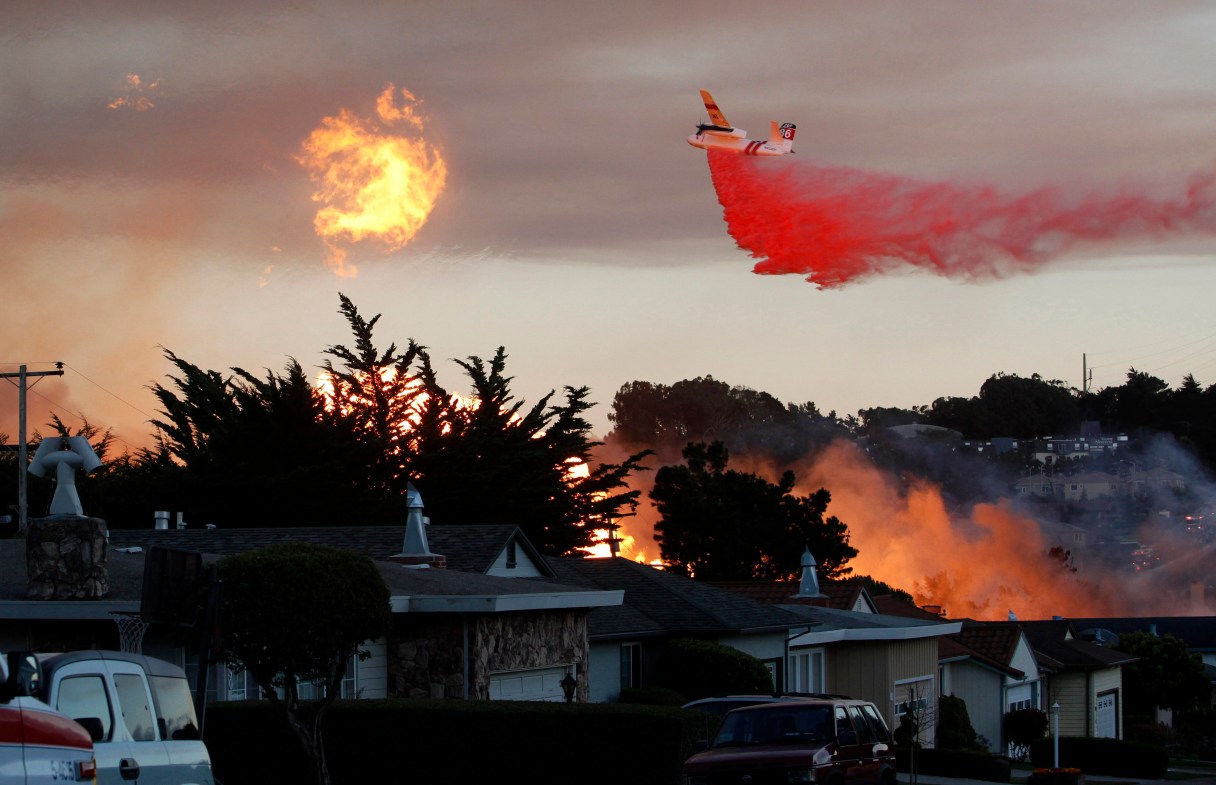
BILLINGS, Mont. (AP) – U.S. officials moved Thursday to strengthen safety rules for the nation’s 300,000-mile network of natural gas transmission pipelines in response to numerous fiery accidents, including a 2010 California explosion that killed eight people and injured more than 50.
The Department of Transportation proposal would expand inspection and repair rules to include lines in some rural areas and newly installed lines in burgeoning gas drilling fields.
Pressure-testing for leaks would be required on older lines that were previously exempt, such as the Pacific Gas and Electric Company pipe constructed in 1956 that broke and torched a residential neighborhood in San Bruno, California, six years ago.
But the government is sidestepping for now action on emergency valves that can automatically shut down ruptured gas lines. That issue was highlighted by San Bruno, where a 30-inch-diameter pipeline buried beneath a suburban street continued spewing gas for 95 minutes after it broke, burning 38 homes, before a utility worker manually shut it down.
The Associated Press has reported on the potential benefits of automatic valves, and safety regulators have urged making them mandatory. But the gas industry has resisted, in part due to their potential high cost.