
Wednesday, November 11, 2026Nov 11

Facebook’s fake news problem: What’s its responsibility?

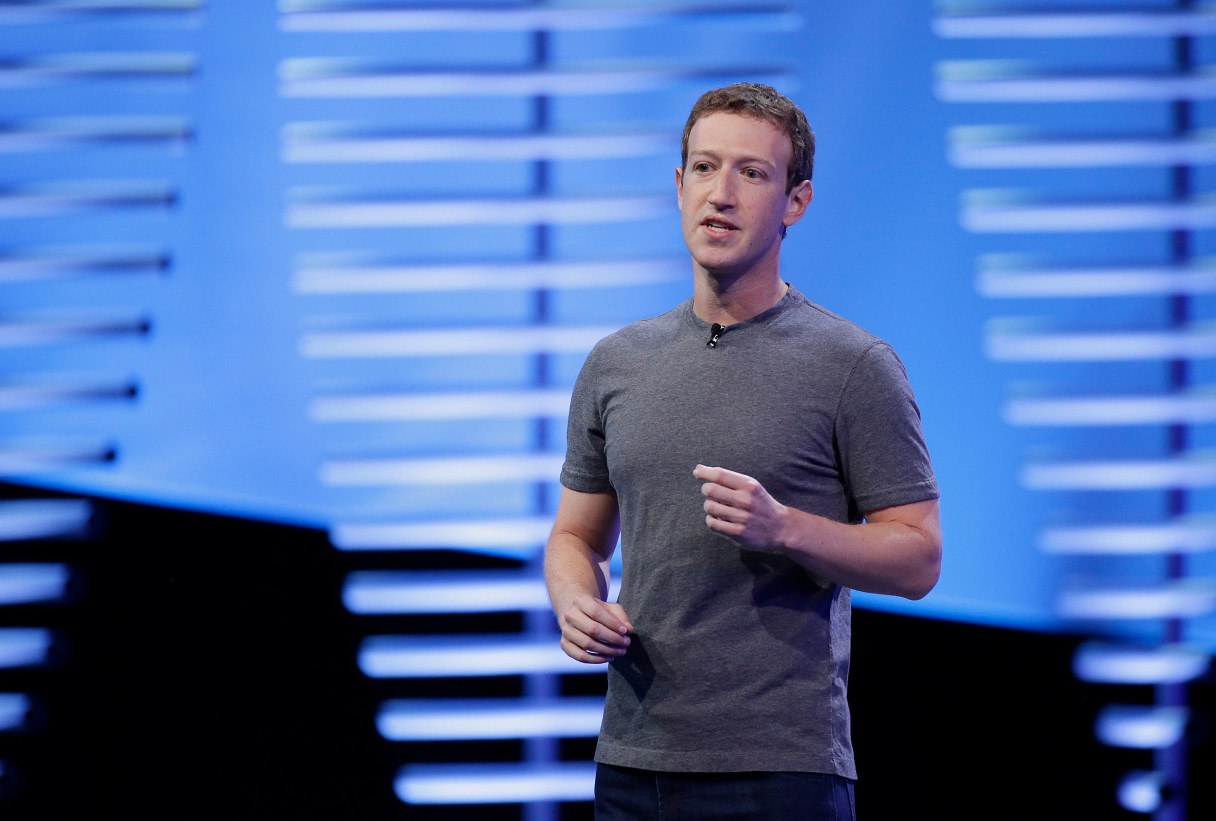
FILE- In this April 12, 2016, file photo, Facebook CEO Mark Zuckerberg speaks during the keynote address at the F8 Facebook Developer Conference in San Francisco. CEOs of major companies are taking stands about the results of the November 2016 U.S. election, a departure from the traditional model of not mixing politics with business that the major brands have long espoused. Zuckerberg said “progress does not move in a straight line.” (AP Photo/Eric Risberg, File)
FILE- In this April 12, 2016, file photo, Facebook CEO Mark Zuckerberg speaks during the keynote address at the F8 Facebook Developer Conference in San Francisco. CEOs of major companies are taking stands about the results of the November 2016 U.S. election, a departure from the traditional model of not mixing politics with business that the major brands have long espoused. Zuckerberg said “progress does not move in a straight line.” (AP Photo/Eric Risberg, File) FILE- In this April 12, 2016, file photo, Facebook CEO Mark Zuckerberg speaks during the keynote address at the F8 Facebook Developer Conference in San Francisco. CEOs of major companies are taking stands about the results of the November 2016 U.S. election, a departure from the traditional model of not mixing politics with business that the major brands have long espoused. Zuckerberg said “progress does not move in a straight line.” (AP Photo/Eric Risberg, File)

NEW YORK (AP) – Facebook is under fire for failing to rein in fake and biased news stories that some believe may have swayed the presidential election. Its predicament stems from this basic conundrum: It exercises great control over the news its users see, but it declines to assume the editorial responsibility that traditional publishers do.

On Monday, Facebook took a minor step to address the issue, clarifying its advertising policy to emphasize that it won’t display ads on sites that run information that is “illegal, misleading or deceptive, which includes fake news.” The company said it was merely making explicit a policy that was already implied.

Its move followed a similar step by Google earlier on Monday, after the search giant acknowledged that it had let a false article about the election results slip into its list of recommended news stories.

In the case of both companies, the aim is to discourage fake-news sites by depriving them of revenue.

Facebook is also said to be facing brewing internal turmoil over its influence and what it can and should do about it.