
Tuesday, November 10, 2026Nov 10

High court upholds government’s energy conservation program

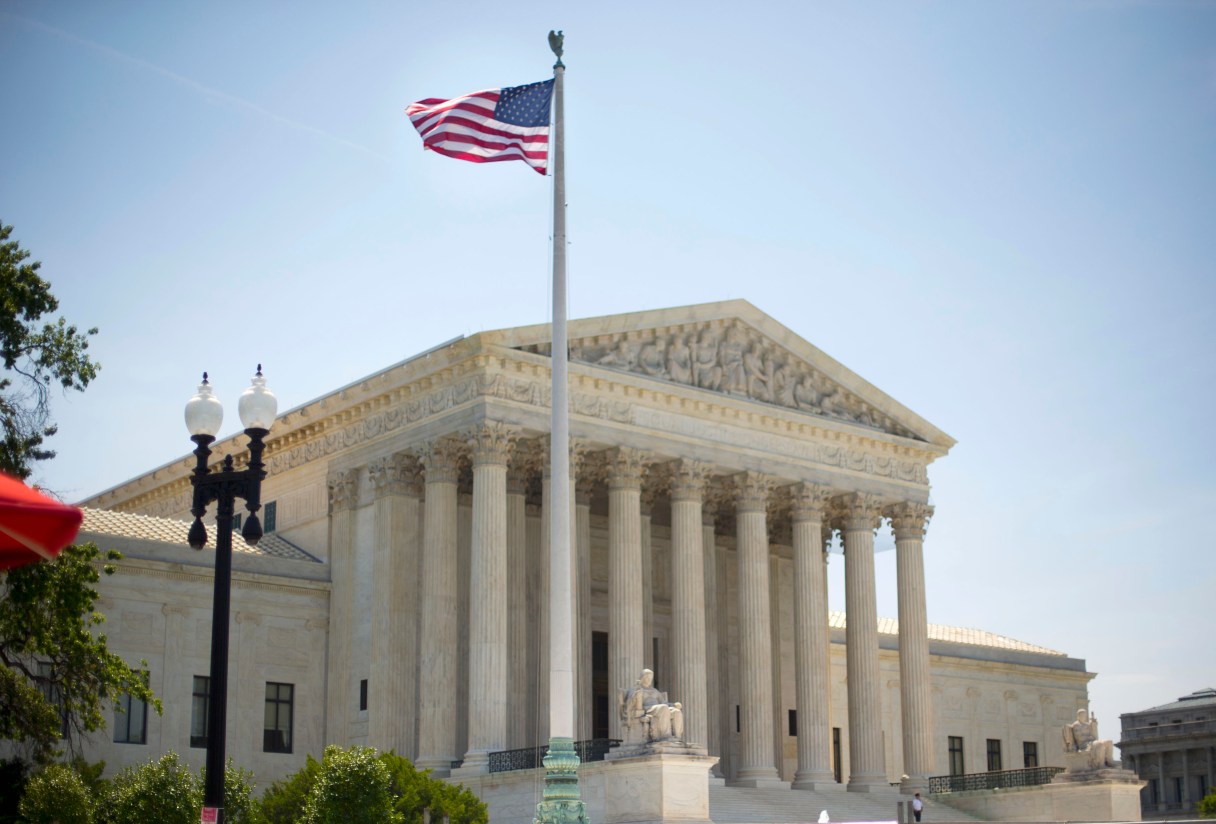
FILE - In this June 30, 2014 file photo, the Supreme Court building in Washington. The Supreme Court has upheld a 4-year-old federal program that pays large electric customers to save energy during times of peak demand. The justices ruled 6-2 on Monday, Jan. 25, 2016,  that the Federal Energy Regulatory Commission had the authority to issue directives aimed at conserving energy and preventing blackouts.  (AP Photo/Pablo Martinez Monsivais, File)
FILE - In this June 30, 2014 file photo, the Supreme Court building in Washington. The Supreme Court has upheld a 4-year-old federal program that pays large electric customers to save energy during times of peak demand. The justices ruled 6-2 on Monday, Jan. 25, 2016, that the Federal Energy Regulatory Commission had the authority to issue directives aimed at conserving energy and preventing blackouts. (AP Photo/Pablo Martinez Monsivais, File) FILE - In this June 30, 2014 file photo, the Supreme Court building in Washington. The Supreme Court has upheld a 4-year-old federal program that pays large electric customers to save energy during times of peak demand. The justices ruled 6-2 on Monday, Jan. 25, 2016, that the Federal Energy Regulatory Commission had the authority to issue directives aimed at conserving energy and preventing blackouts. (AP Photo/Pablo Martinez Monsivais, File)

WASHINGTON (AP) – The Supreme Court has upheld a 4-year-old federal program that pays large electric customers to save energy during times of peak demand.

The justices ruled 6-2 on Monday that the Federal Energy Regulatory Commission had the authority to issue directives aimed at conserving energy and preventing blackouts.

The ruling is a win for the Obama administration, environmental groups and other supporters who said the plan saved billions in energy costs, improved reliability of the power grid and reduced air pollution since it was put in place in 2011. Utility companies challenging the rule argued it was too generous and trampled state rights over retail electricity sales.

A federal appeals court ruled 2-1 last year that the plan intrudes on state power over retail electricity sales.

Federal law gives the commission authority to regulate wholesale markets, while retail sales are governed by states.