
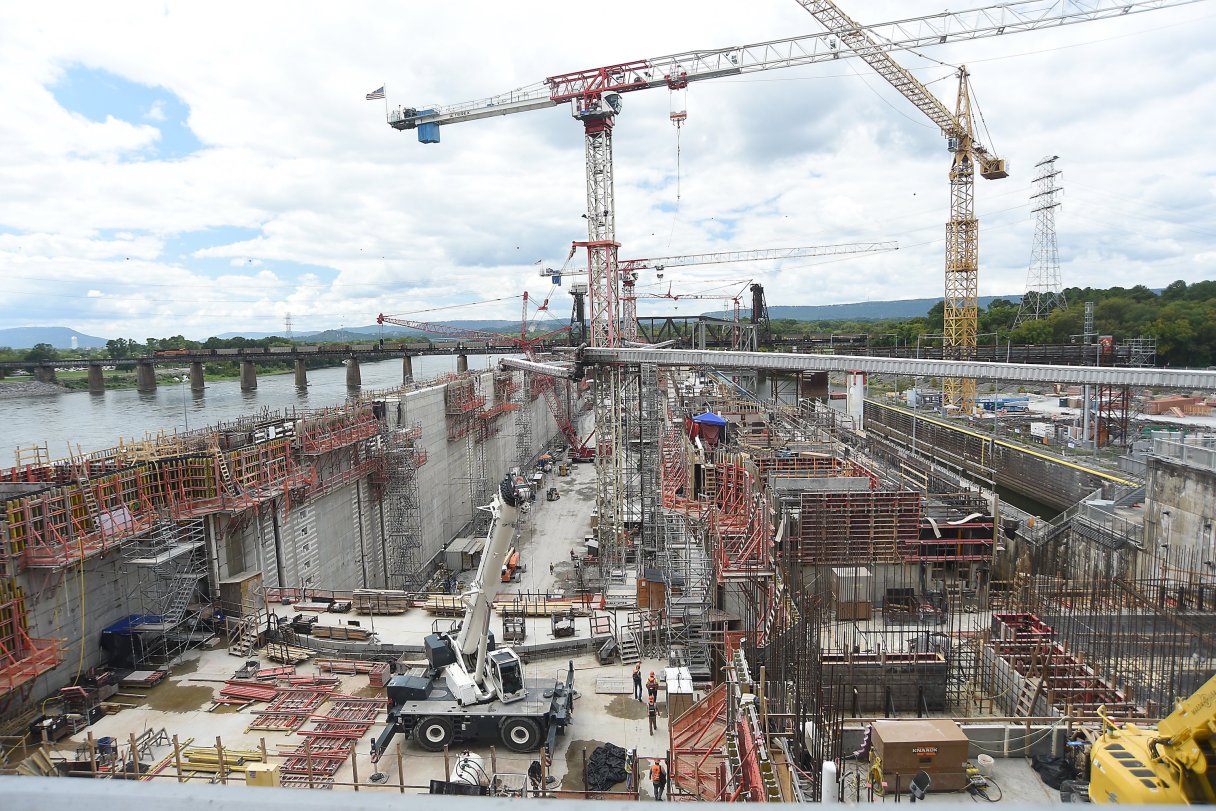
The Seven Wonders of the Modern World may be wondrous indeed, but seeing them requires international travel. So what about the marvels a little closer to home? Our list of homegrown wonders may not be as awe-inspiring as the Great Wall of China or the Taj Mahal, but they’re impressive nonetheless. Here are seven examples of structural, architectural and mechanical engineering marvels around Chattanooga.
Tennessee Valley Authority (TVA)
It’s easy to take for granted the ease with which we turn on a light switch and heat and cool our homes, but it wasn’t so simple before TVA harnessed the power of the Tennessee River with a hydroelectric system that not only powers the valley, but also offers flood control, commercial navigation and recreational use. Chickamauga Dam, one of the utility’s 29 power-generating dams, is in the midst of a nearly $1 billion replacement of its lock, the chamber used to move vessels between the different water levels on the river. If you don’t pilot a barge or own a bass boat, there are still ways to lock through. The Southern Belle riverboat schedules occasional lock sightseeing tours (the next is in April), and Outdoor Chattanooga and Chattanooga Guided Adventures offer kayak lock-throughs. You can also see the action from an overlook accessible from the nearby recreation area.
Learn more at TVA.com.
“America’s Most Amazing Mile” is a funicular railway, meaning it operates via a cable system on a mountainside, but you wouldn’t be wrong to place the emphasis on “fun.” You’ll note that there are two trolley cars, an efficiency that uses the weight of one car to pull the other car 1,450 feet up the mountain. The cars ride on the same single track for much of the route, but split midway into a “passing loop.” They ascend and descend on a 72.7% grade, making the Incline one of the steepest passenger railways in the world. The Incline is closed for repairs after a wildfire damaged the track last December, but it’s scheduled to reopen June 2.
Find out more at ridetheincline.com.
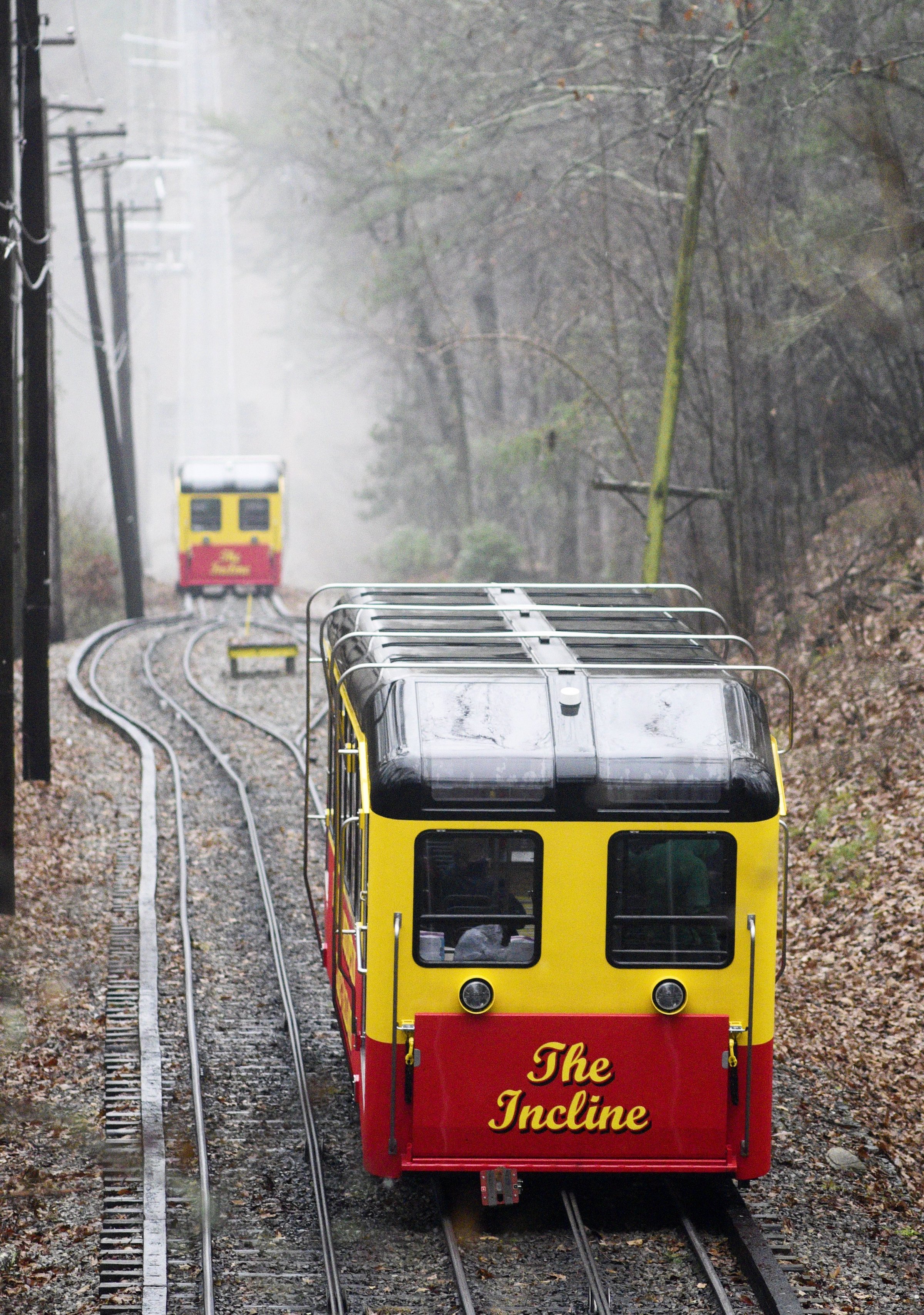 Staff photo by Robin Rudd / One car of the Incline Railway ascends the mountain, while the other descends to the St. Elmo station on a foggy morning. The trolleys are counterbalanced so that the weight of one pulls the other up the mountain. The passing loop can be seen on the tracks between them.
Market Street Bridge
Chattanooga is home to Tennessee’s only bascule bridge, though its drawbridge capabilities are seen only rarely — during quarterly inspections by the Tennessee Department of Transportation and for the occasional tall boat. The arch of the Market Street Bridge — which is also known as the Chief John Ross Bridge — can open in the center at 45-degree angles. The iron grating on the decks tends to make noise as vehicles drive across it, a phenomenon some describe as “singing.” TDOT inspections are typically the second Sunday in March, June, September and December.
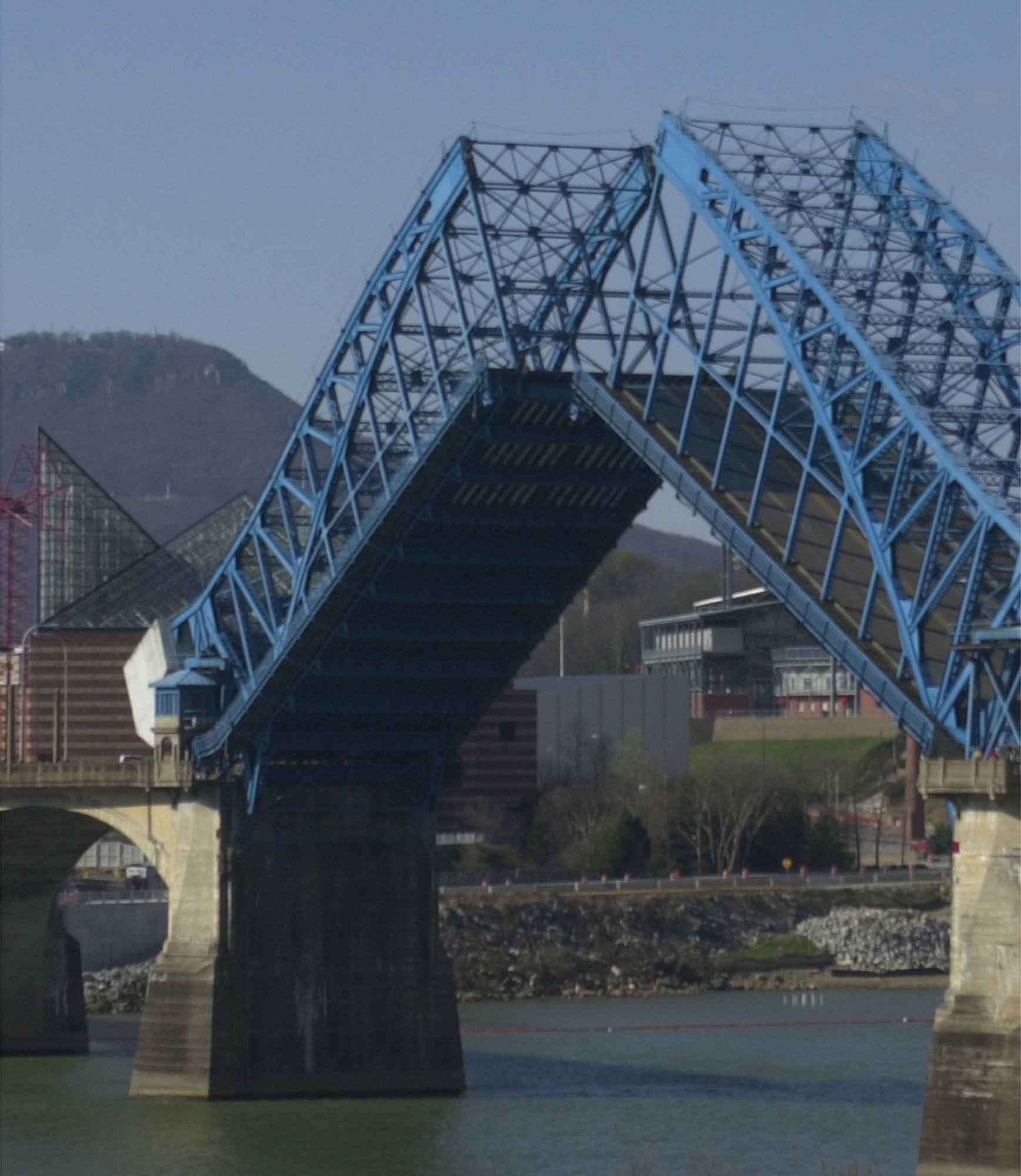 Staff file photo / The Tennessee Department of Transportation conducts quarterly inspections of the Market Street bridge, the only designated times to see its drawbridge feature at work.
Tennessee Aquarium
The Tennessee Aquarium‘s River Journey building, designed by Cambridge Seven Associates, traces Appalachia’s water sources from the mountains to the sea. The vertical presentation descends from living forests in the 143-foot-high, skylight-covered peaks, where temperatures mimic the climate outdoors and the native plants change with the seasons, to a “canyon” of underwater habitats. Fishermen have been known to study the habits of the fish in the tanks in hopes of reeling in bigger catches.
Get more info at tnaqua.org.
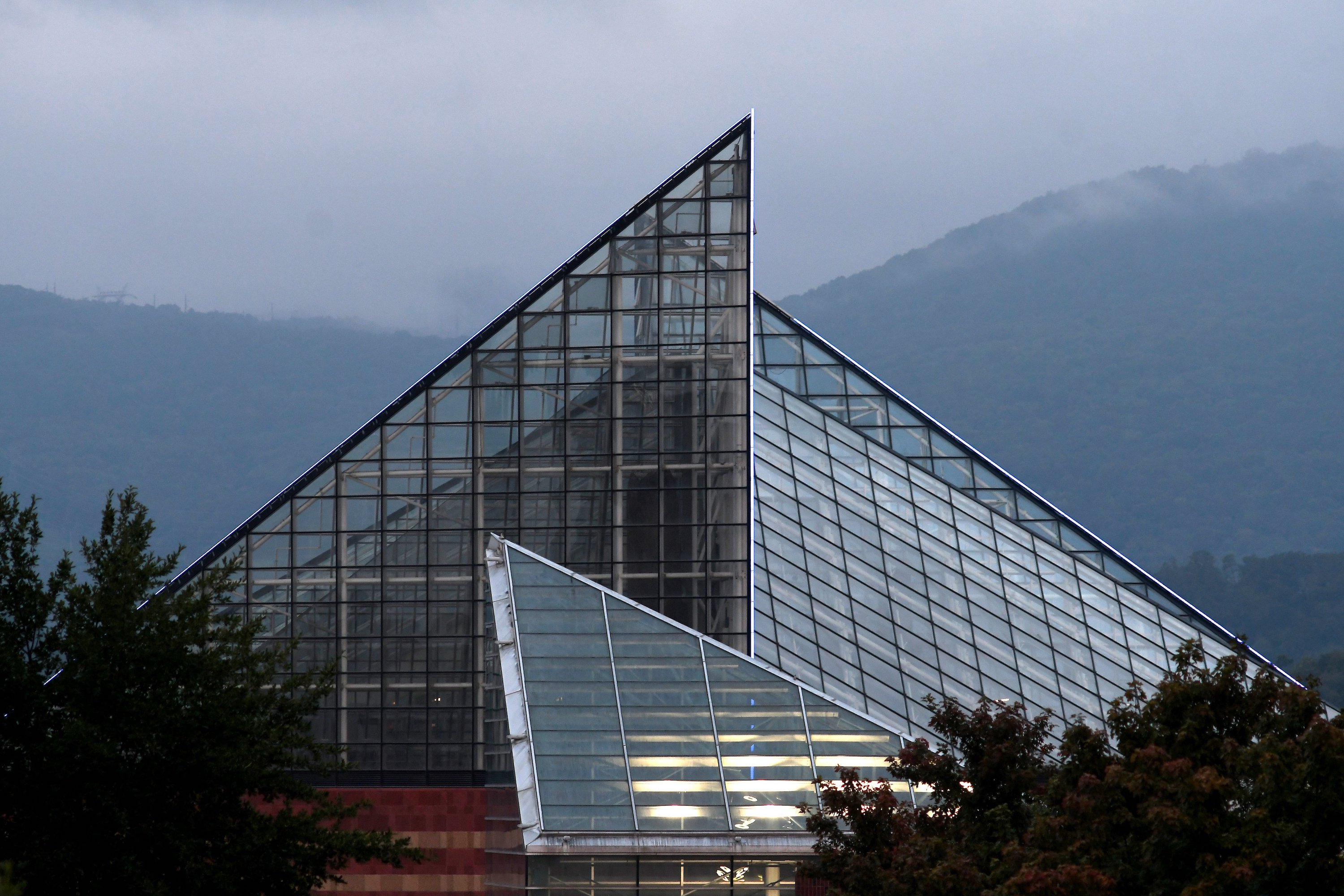 Staff photo by Robin Rudd / The Tennessee Aquarium’s glass peaks are at their tallest (143 feet) atop the River Journey building, which opened May 1, 1992. The Ocean Journey building followed on April 29, 2005.
In 1928, when Leo Lambert accidentally discovered the cavern that would become one of Chattanooga’s mainstay tourist attractions, he had to crawl through an 18-inch-tall passageway on his stomach for six hours to reach the 145-foot waterfall, which he would name for his wife, Ruby. At the time, he and his crew were installing a 420-foot elevator shaft to open the long-sealed Lookout Mountain Cave to the public after a new train tunnel blocked access. The work was slow, with only 5 feet of limestone removed every 24 hours.
Several weeks into the project, at 260 feet down, they hit a void in the rock and felt a rush of air escape. Lambert and a few others crawled through the dark chasm, returning 17 hours later with news of finding underground streams, geological formations and the signature waterfall. Thanks to 15,000 pounds of dynamite, they were soon able to remove 5 million pounds of limestone, bucket-load by bucket-load, to make the space accessible.
Learn more at rubyfalls.com.
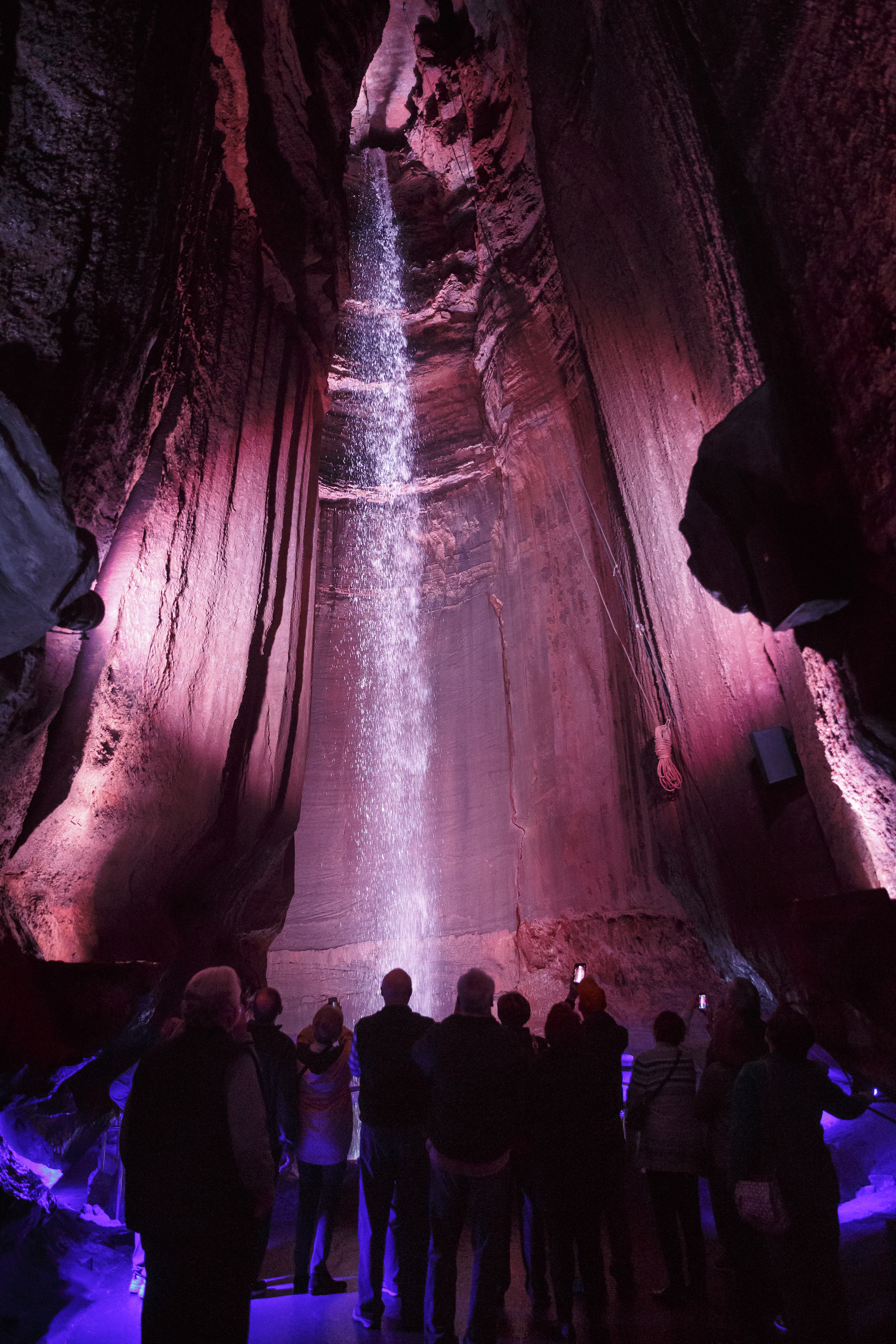 Staff file photo by Doug Strickland / People view the falls at Ruby Falls, which features the tallest underground waterfall that’s open to the public.
High Point Climbing & Fitness
Seeing someone scaling the side of a downtown building may look like something from a Spider-Man movie, but it’s just good marketing for High Point Climbing & Fitness. The Broad Street location features a translucent, multi-panel climbing wall meant to double as an art piece on the building’s six-story facade. The 11,000-square-foot surface is made of a polycarbonate resin meant to withstand thousands of pounds of pressure as well as earthly elements such as wind and sun — and it glows at night.
For more information, go to highpointclimbing.com/chattanooga/downtown.
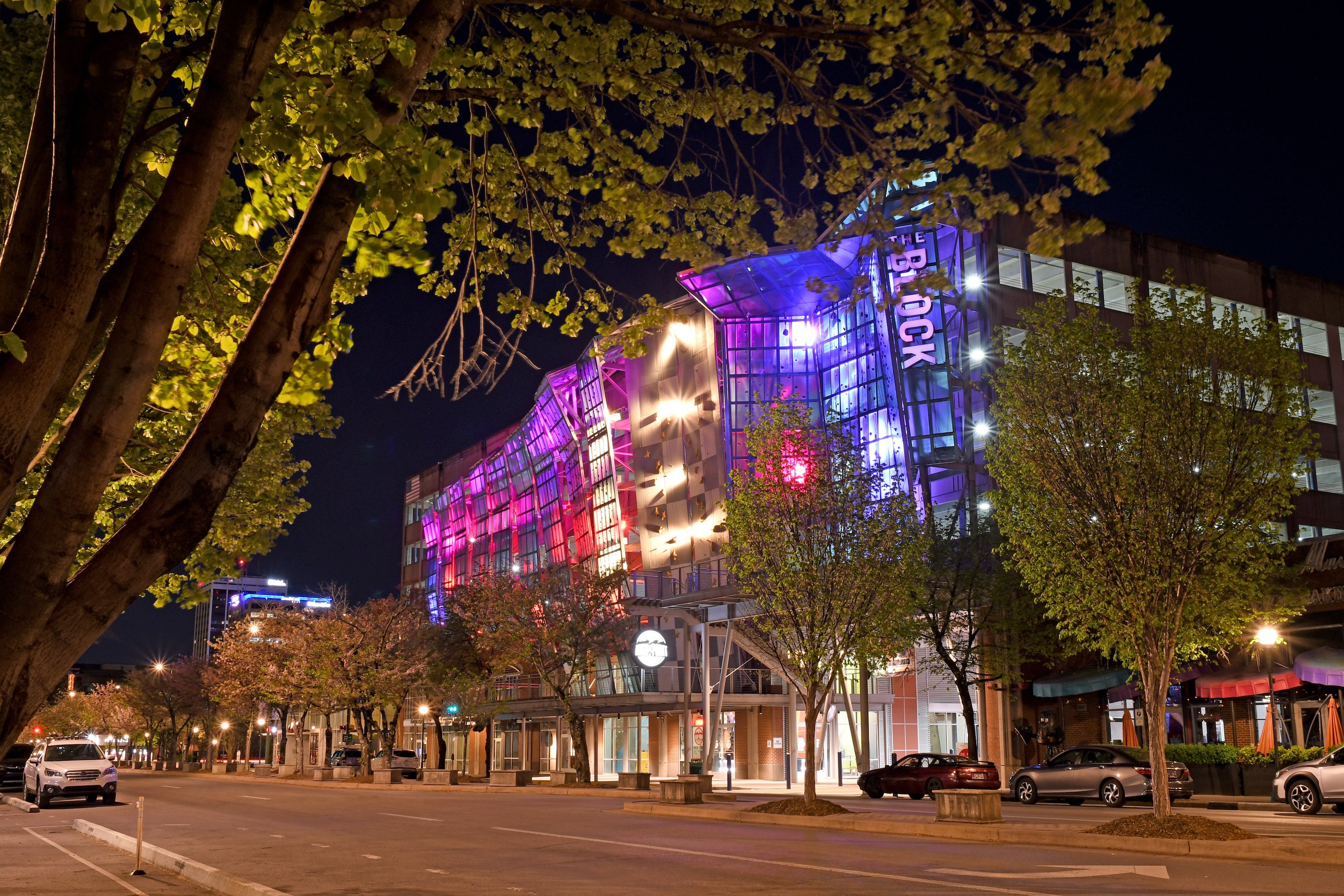 Staff photo by Robin Rudd / High Point Climbing & Fitness has over 28,000 square feet of climbing surfaces, including an attention-grabbing outdoor climbing wall. High Point is among a handful of businesses within the larger structure, known as “The Block,” that was adapted by River Street Architecture from the old Bijou Theatre.
In summer, it’s common to see these open-air tour buses navigating the streets of Chattanooga and the waters of the Tennessee River. Is it an automobile? A boat? It’s a little of both, actually. These amphibious vehicles were created for military use in World War II and designated as DUKWs (a coded descriptor where each letter gives a different specification). More easily referred to as Ducks, they’re now used as tourist transports in harbor and river cities.
Find out more at chattanoogaducks.com.
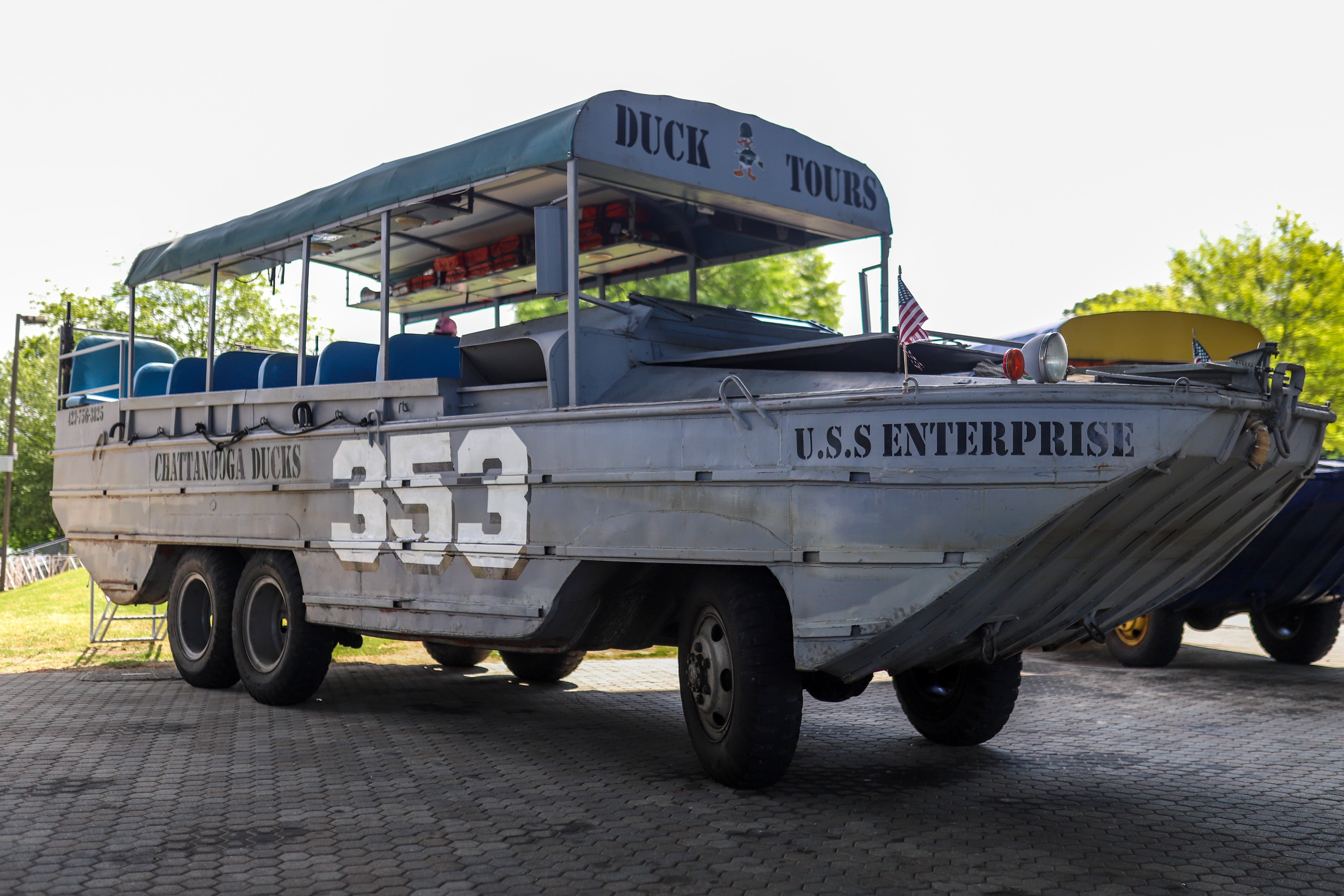 Staff file photo / The Chattanooga Ducks are amphibious vehicles that can navigate downtown streets and the Tennessee River. Tours may be booked from mid-March to mid-November.