
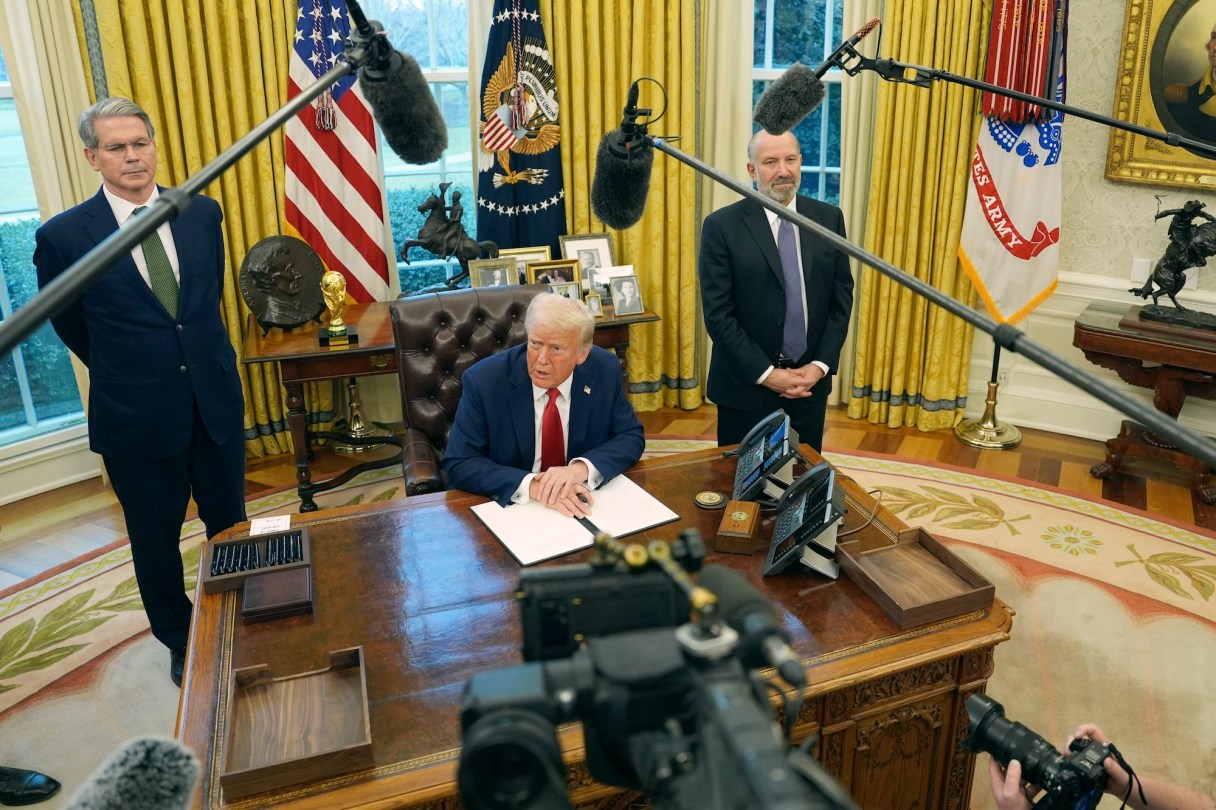
After nightfall on Jan. 24, President Donald Trump summarily dismissed as many as 17 of the most important guardians of integrity in the federal government – the inspectors general who search for fraud and abuse in each major executive department, who assure taxpayers that their money is being properly spent, and whose rigor reduces the temptation of corruption. Trump’s action was in overt defiance of a law requiring that Congress get 30 days’ notice when an inspector general is fired, along with the detailed reasons for the termination, but it was very much in keeping with the president’s imperious resistance to any form of accountability, oversight or sharing of power.
No compelling reasons for the firings were given, other than a vague reference to the “changing priorities” of the new administration.
In addition to the inspectors general law, there are strong Civil Service protections in place for more than two-thirds of all federal workers, preventing arbitrary or political firings and requiring cause.
American voters gave Trump and his party the right to push forward the agenda he campaigned on. If the president wants to shrink the federal workforce, end programs he disagrees with or revamp oversight, he has the license to pursue those efforts. Yet he must do so legally and by operating inside the system of checks and balances that has guided the country since its founding.
The first two weeks into his second tour in the White House have seen so many lines crossed in the pursuit of his agenda that anyone who believes in the Constitution and honest governance should be worried: Many of Trump’s first assertions of executive power blatantly exceed what is legally granted. He and his supporters have sought to undermine those best positioned to check his overreaches of power. And he is moving to eliminate the tools of accountability in government in quick order.