
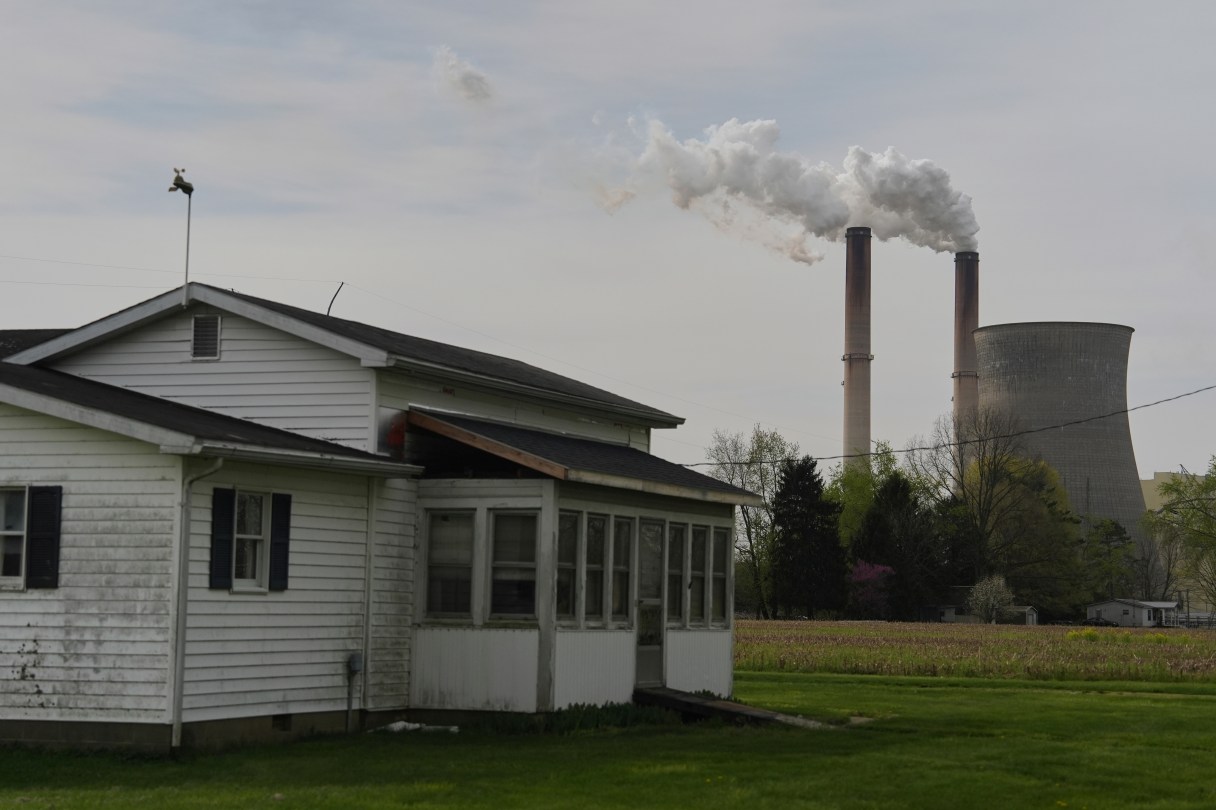
In 2022, federal officials rebuked a major coal plant next to the Ohio River for letting coal waste — in a pile so big it could fill the Dallas Cowboys’ football stadium twice over — threaten groundwater with heavy metal pollution.
That coal ash, the waste from burning coal, was at risk of leaching into groundwater and spreading toxins, officials said. It was part of a broad crackdown by the Biden administration on coal ash aimed at keeping arsenic and lead out of well water, lowering cancer rates and avoiding disastrous spills.
In January, however, the coal industry including Ohio’s targeted Gen. James Gavin Power Plant wrote to President Donald Trump’s nominee to run the Environmental Protection Agency, asking for weaker standards. Less than two months later, the EPA announced it would consider loosening the rules as part of a historic deregulatory push that also targeted plant wastewater and coal’s considerable greenhouse gas emissions. Collectively, the industry hopes the change in direction — and deemphasis on climate change as a threat — lowers costs and delays a surge of plant retirements.
“We just feel like the last administration, all of these regulations were really designed to force the closure of coal plants,” said Michelle Bloodworth, president and CEO of industry group America’s Power.
Now, as data centers and other needs cause electricity demand to soar, Bloodworth says coal power is increasingly essential.