
DENVER (AP) – In a former bakery south of downtown Denver, Matthew Fuerst makes beer flavored with ingredients like Hatch green chiles that he chops by hand. He saves money on heating bills by pushing up space heaters against his fermenting tanks and covering the tops with blankets. He’s invited homebrewers who want to break into the industry to use his expensive brewing system to try making larger batches.
Fuerst is one of many transplants lured to Colorado by the state’s reputation as a place where beer drinkers spend hours on breweries’ sunny patios trying every imaginable twist on beer, often with dogs and kids in tow, a state whose governor is a former craft beer magnate who had an array of taps installed at the governor’s mansion. But Fuerst fears that idyllic lifestyle is in danger now that the world’s largest beer maker, Anheuser-Busch InBev, has staked a claim to Colorado’s craft beer paradise.
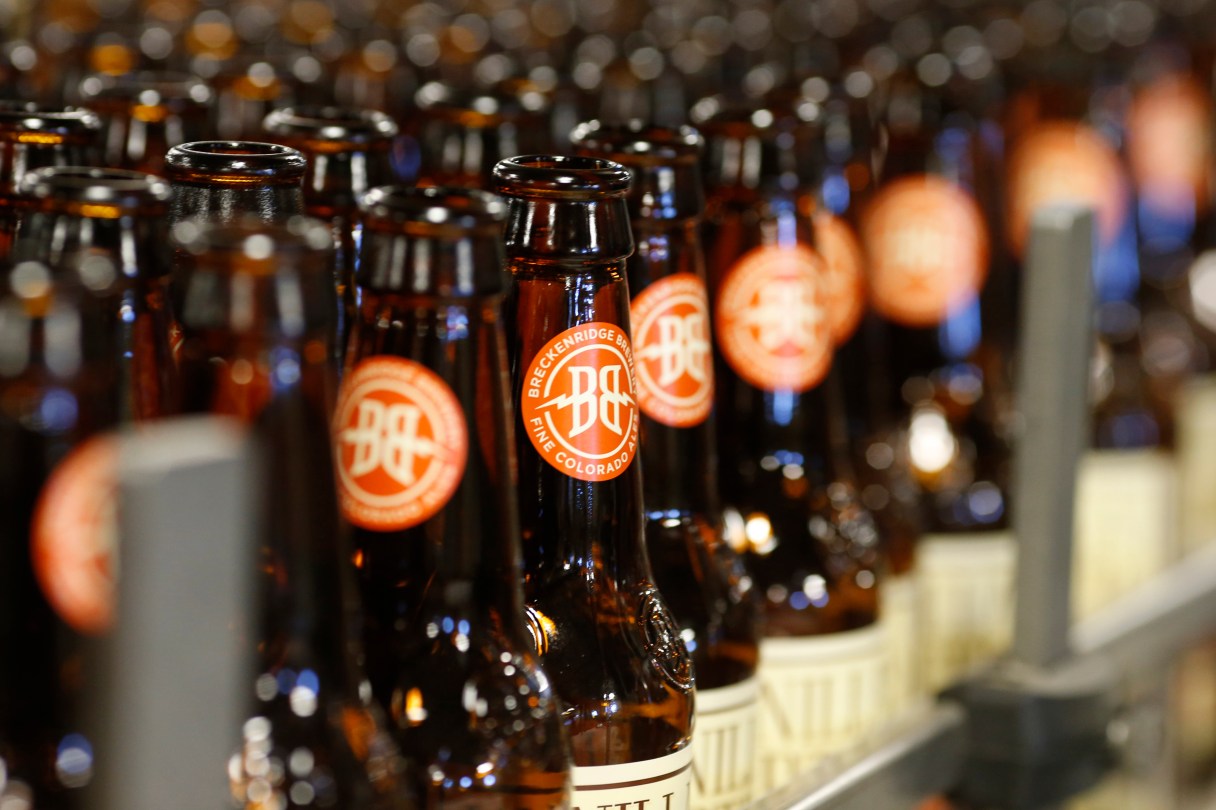
Fuerst worries InBev could use its distribution leverage and buying power to squeeze other craft beers out of liquor store shelves, discount its own craft beer line and buy up raw materials after its purchase last month of Breckenridge Brewery, which was part of the first wave of craft breweries to open in Colorado in the 1990s.
The purchase sent tremors through Colorado’s thriving community of homebrewers and beer purists, who join beer lovers around the country dreading increasing corporate consolidation in the industry. “I think all of us know that if they could put us out of business they would and the actions that they’re taking right now are a threat to us,” said Fuerst, whose brewery is called Grandma’s House.
Terms of the Breckenridge deal weren’t released. It follows InBev’s acquisition of craft brewers Goose Island in Chicago and 10 Barrel Brewing Co. in Oregon in recent years and comes as the maker of Budweiser is trying to become even bigger by buying the world’s second-largest beer maker, SABMiller, to create a company that would make nearly 30 percent of the world’s beer.