
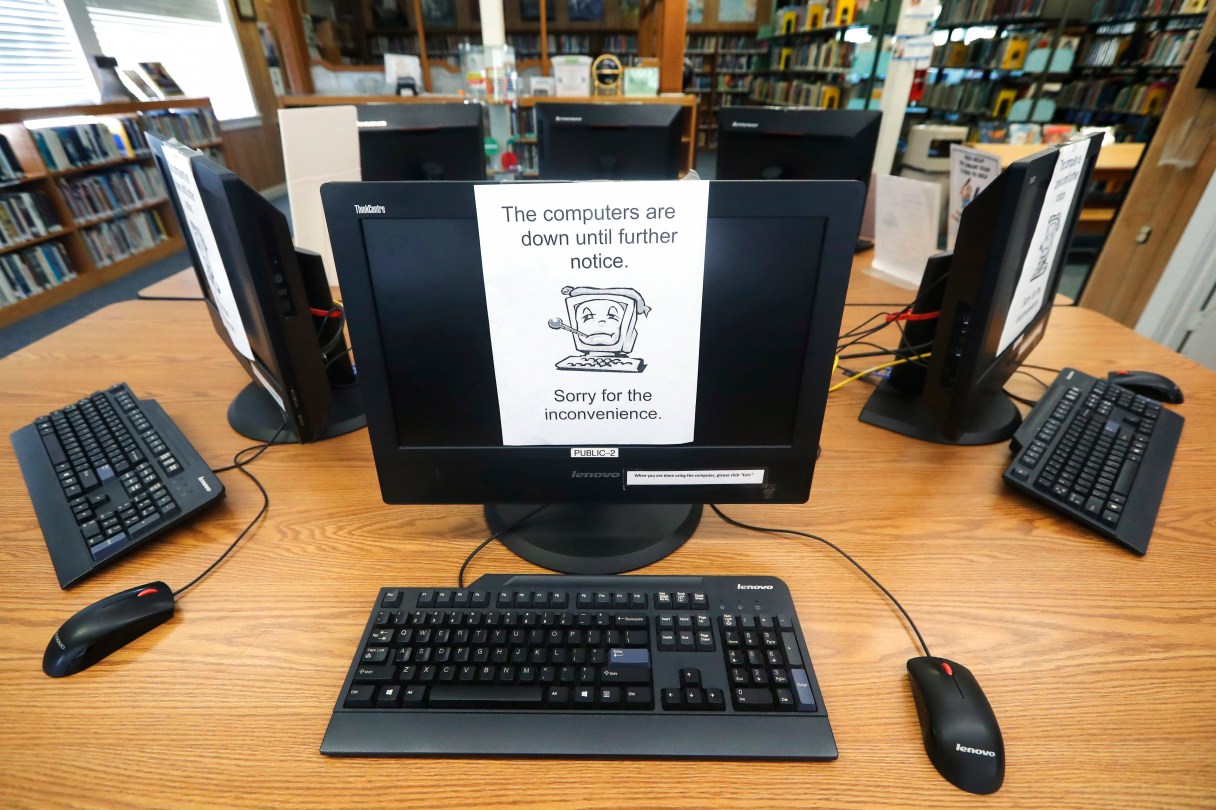
It was a steamy Friday two Augusts ago when Jason Whisler settled in for a working breakfast at the Coffee Ranch restaurant in the Texas Panhandle city of Borger. The most pressing agenda item for city officials like him that morning: planning for a country concert and anniversary event.
Then Whisler’s phone rang. Borger’s computer system had been hacked.
Workers were frozen out of files. Printers spewed out demands for money. Over the next several days, residents couldn’t pay water bills, the government couldn’t print checks, police officers couldn’t retrieve certain records. Across Texas, similar scenes played out in nearly two dozen communities hit by a cyberattack officials linked to a Russia-based criminal syndicate.
In 2019, ransomware had yet to emerge as one of the top challenges confronting the United States. But the attacks in Texas were a harbinger of the now-exploding threat and offer a case study in what happens behind the scenes when victims come under attack.
Texas communities struggled for days with disruptions to government services as workers in small cities and towns endured cascading frustrations brought on by the cyberattack, according to thousands of pages of documents reviewed by The Associated Press and interviews with people involved in the response. The AP also learned new details about the attack’s scope and victims, including an Air Force base where access to a law enforcement database was affected and a city forced to operate its water-supply system manually.