
Wednesday, November 11, 2026Nov 11

Bipartisan investigation cites management flaws at IRS

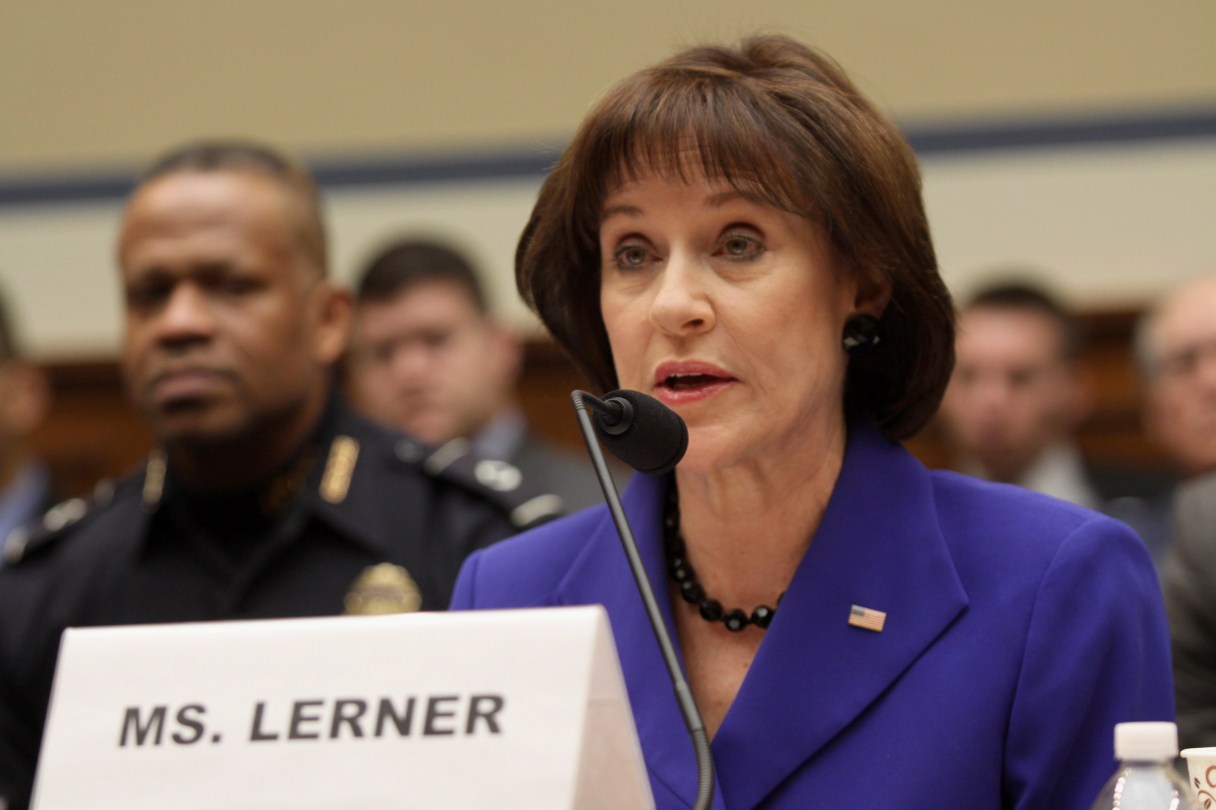
FILE - In this March 5, 2014 file photo, former Internal Revenue Service (IRS) official Lois Lerner speaks on Capitol Hill in Washington. Management flaws at the IRS contributed to a “dysfunctional culture” that allowed agents to mistreat conservative political groups when they applied for tax-exempt status, according to the results of a bipartisan congressional investigation released Wednesday. (AP Photo/Lauren Victoria Burke, File)
FILE - In this March 5, 2014 file photo, former Internal Revenue Service (IRS) official Lois Lerner speaks on Capitol Hill in Washington. Management flaws at the IRS contributed to a “dysfunctional culture” that allowed agents to mistreat conservative political groups when they applied for tax-exempt status, according to the results of a bipartisan congressional investigation released Wednesday. (AP Photo/Lauren Victoria Burke, File) FILE - In this March 5, 2014 file photo, former Internal Revenue Service (IRS) official Lois Lerner speaks on Capitol Hill in Washington. Management flaws at the IRS contributed to a “dysfunctional culture” that allowed agents to mistreat conservative political groups when they applied for tax-exempt status, according to the results of a bipartisan congressional investigation released Wednesday. (AP Photo/Lauren Victoria Burke, File)

WASHINGTON (AP) – Management flaws at the IRS contributed to a “dysfunctional culture” that allowed agents to mistreat conservative political groups when they applied for tax-exempt status, according to the results of a bipartisan congressional investigation released Wednesday.

The report by the Senate Finance Committee lays much of the blame for the scandal on former IRS official Lois Lerner, who used to head the division that processes applications for tax-exempt status. The report says Lerner waited nearly two years before informing her supervisors about long delays in the processing of applications.

Amid the scandal, the IRS didn’t perform any audits of groups that might have been engaging in improper political activity from 2010 through April 2014, the report said. This was at a time when many high-profile tax-exempt groups were spending large sums of money on political activities.

The report said managers were worried that selecting any of these groups for audits would give the impression that they were chosen because of their “political leanings.”

“Our investigation found that from 2010 to 2013, IRS management was delinquent in its responsibility to provide effective control, guidance, and direction over the processing of applications for tax-exempt status filed by Tea Party and other political advocacy organizations,” the report said.