
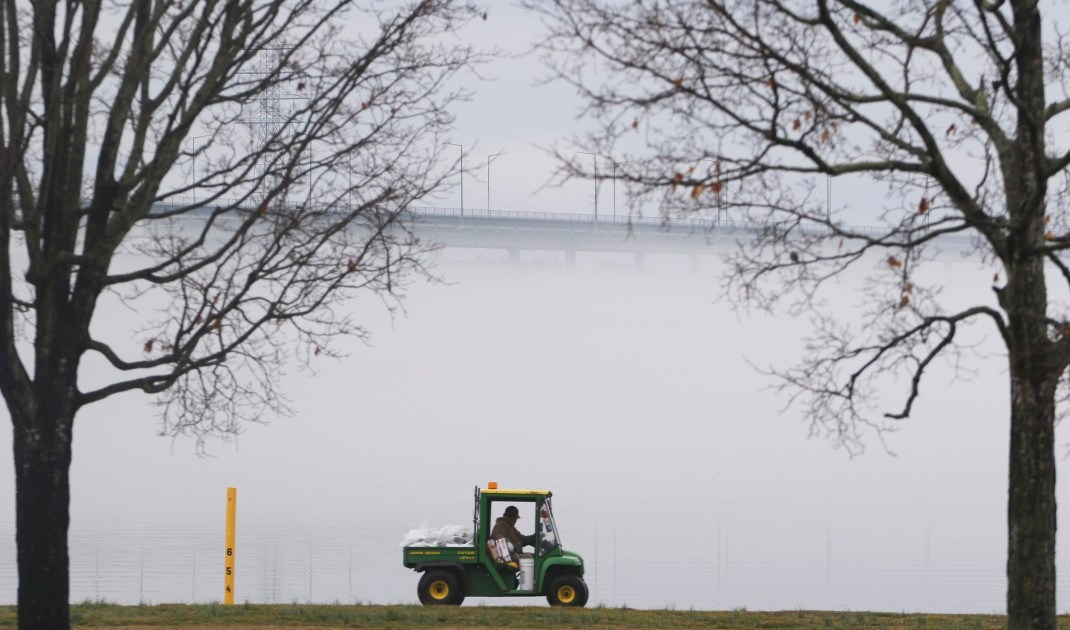
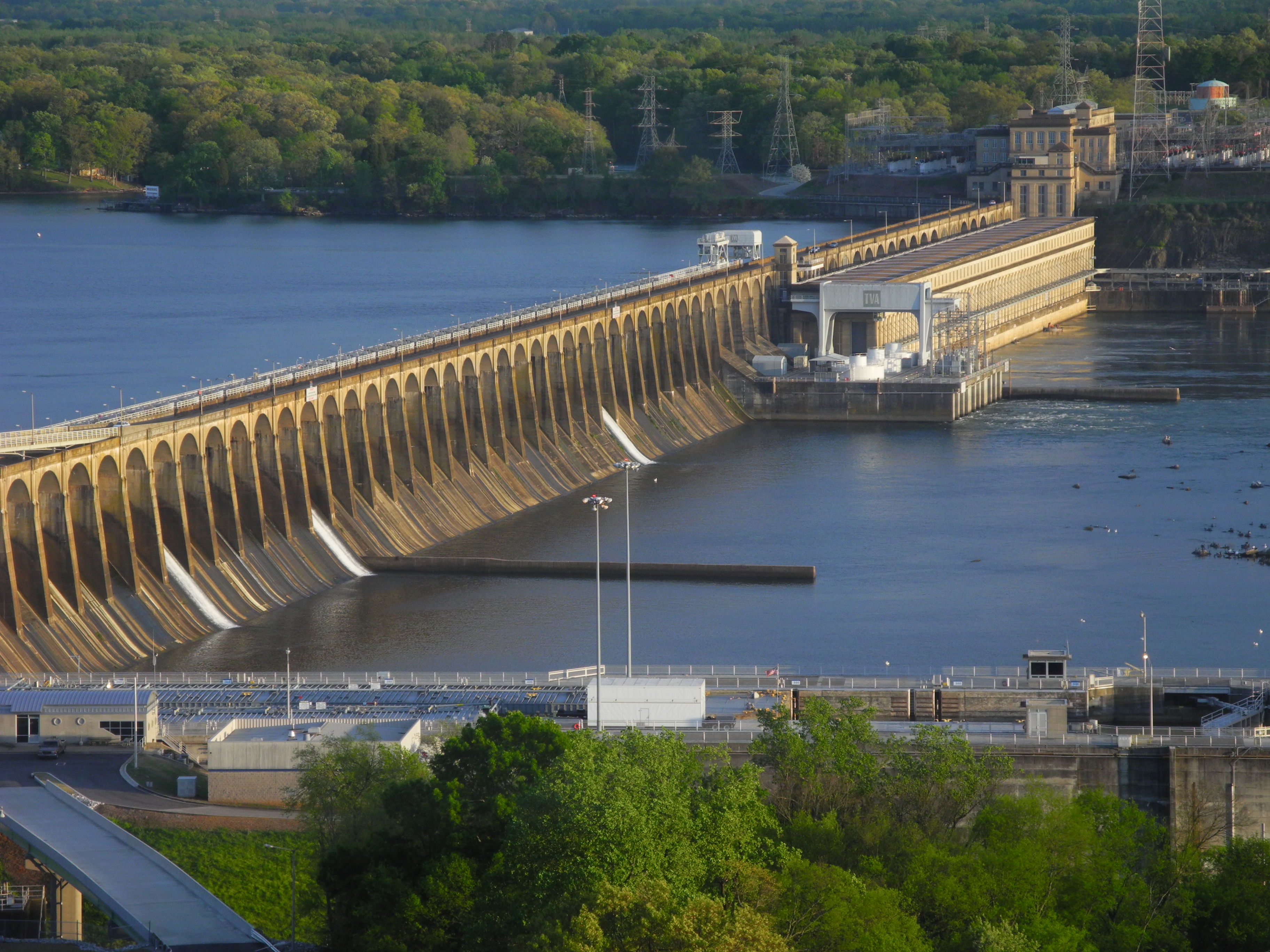
 The Nashville District office of the U.S. Army Corps of Engineers said it has suspended unescorted public access to the Wilson Lock
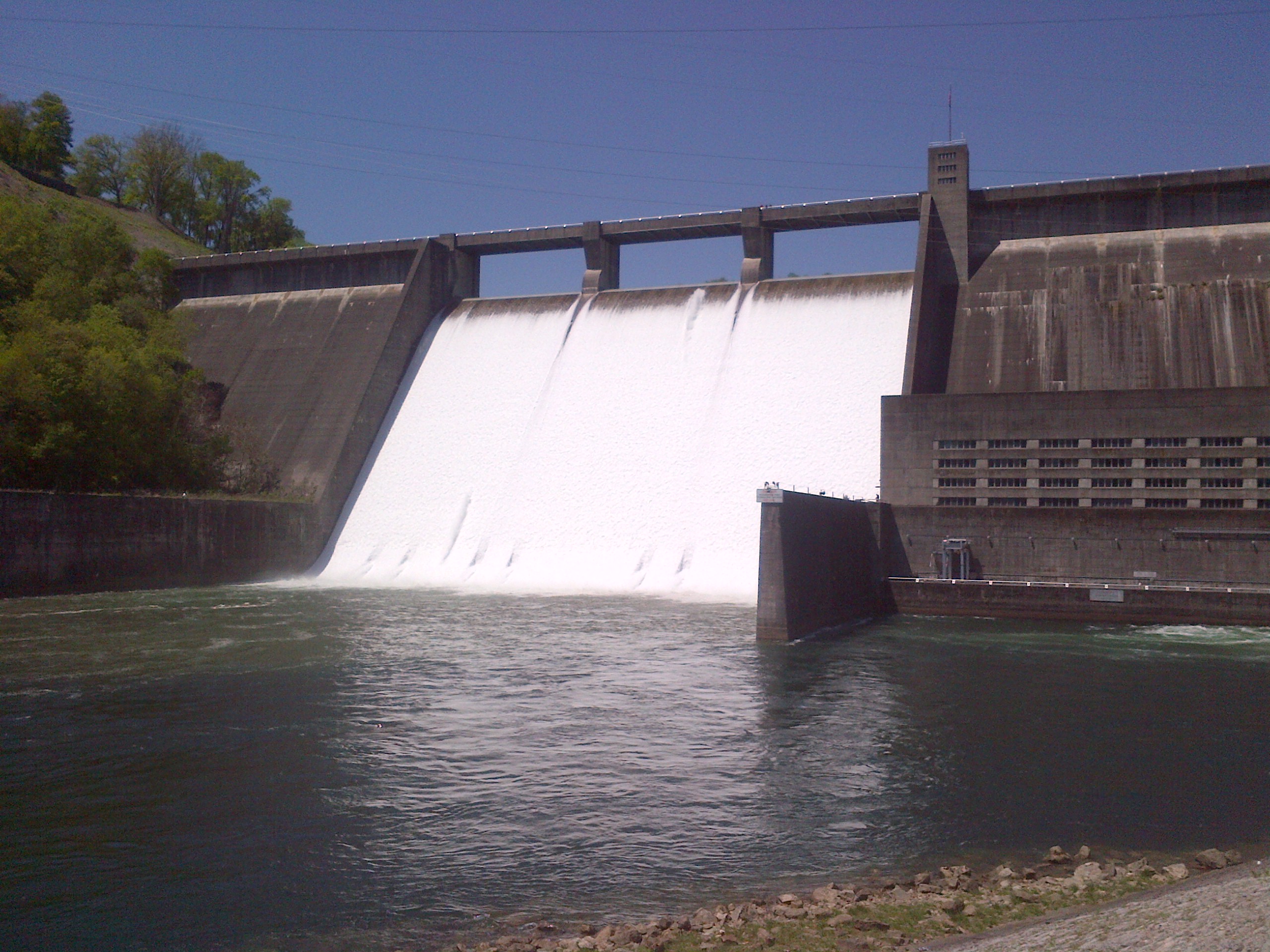 TVA’s Norris Dam is on the Clinch River in upper East Tennessee.
The Tennessee River has risen more than seven feet in Chattanooga since Wednesday when rains began dumping what has grown to nearly 5 inches of precipitation in as many days.
But without the network of dams and reservoirs built by the Tennessee Valley Authority in the 1930s and 1940s, the river would have risen at least 14 feet higher and caused more than $130 million of flood damage in the Chattanooga area, TVA said today.
If TVA was not controlling the river flow, the Tennessee River would have risen to 38 feet at the Walnut Street Bridge downtown, or 14 feet above its current 24-foot stage level. The higher river level without the TVA dams would be seven feet above flood level.
“That’s a flood aversion value of about $130 million and with more rain on the way that value could go up,” said James Everett, manager of operations support for TVA’s river forecast center in Knoxville. “We’re storing as much water as we can in our storage tributary reservoirs and managing the flow of the river to limit the flooding that occurs when we get these types of unusually heavy rains.”
The Tennessee River basin drains more than 20,000 square miles of watershed through the Tennessee River in Chattanooga, which must pass through the often turbulent river basin between Signal and Elder Mountains where Suck Creek also flows into the river. Although controlled, the flow of the Tennessee River has still shut down barge traffic in Chattanooga with more than 800,000 gallons of water a second flowing down the river.