
Thursday, October 29, 2026Oct 29

This story is free to read.

Bruni: The scope of the Orlando carnage

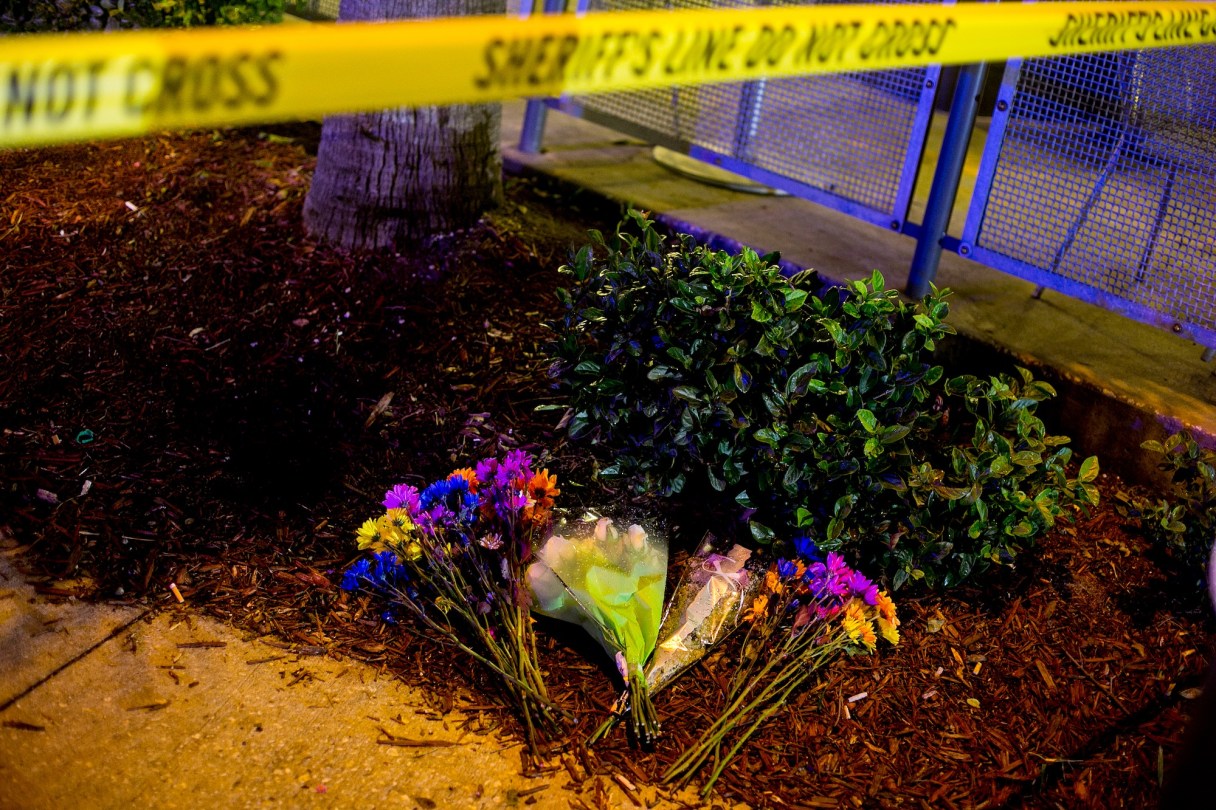
Flowers and police tape near the Pulse nightclub, the scene of a mass shooting which left 50 dead in Orlando, Fla., early Sunday morning. More than 300 people were inside the gay nightspot at 2 a.m. when a lone gunman launched the worst mass shooting in American history.
Flowers and police tape near the Pulse nightclub, the scene of a mass shooting which left 50 dead in Orlando, Fla., early Sunday morning. More than 300 people were inside the gay nightspot at 2 a.m. when a lone gunman launched the worst mass shooting in American history. Flowers and police tape near the Pulse nightclub, the scene of a mass shooting which left 50 dead in Orlando, Fla., early Sunday morning. More than 300 people were inside the gay nightspot at 2 a.m. when a lone gunman launched the worst mass shooting in American history.

Read more about the Orlando massacre

These locations are never random. These targets aren’t accidental. They’re the very vocabulary in which assailants like the Orlando gunman speak, and he chose a place where there’s drinking. And dancing. And where LGBT people congregate, feeling a sense of welcome, of belonging.

That last detail is in the foreground of the deadliest mass shooting in American history – and rightly so.

But let’s be clear: This was no more an attack just on LGBT people than the bloodshed at the offices of Charlie Hebdo in Paris was an attack solely on satirists.

Both were attacks on freedom itself.

Both took aim at societies that, at their best, integrate and celebrate diverse points of view, diverse systems of belief, diverse ways to love. And to speak of either massacre more narrowly than that is to miss the greater message, the more pervasive danger.