
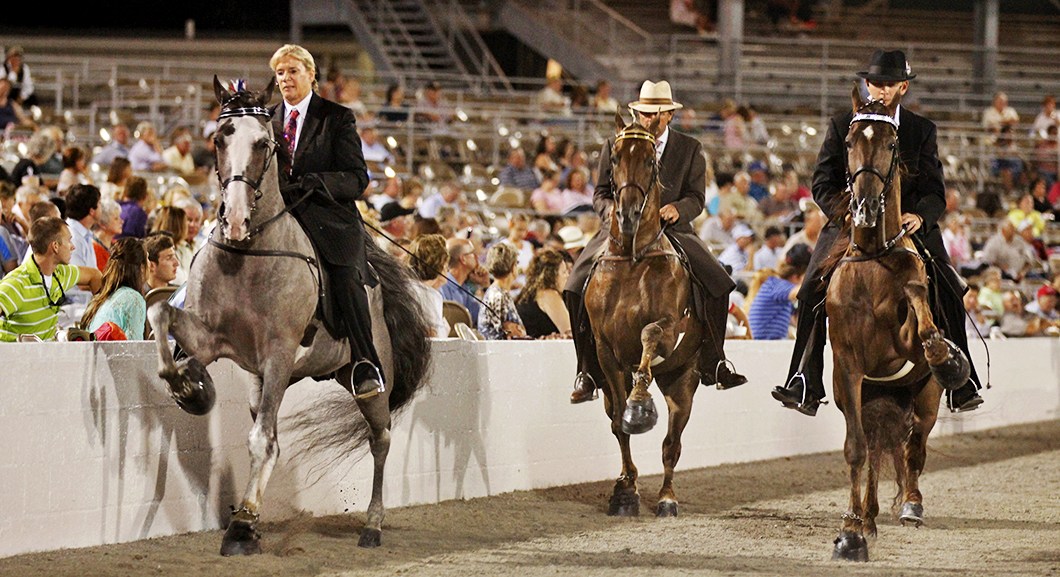
Bipartisan legislation that promises to end the inhumane practice of horse soring – which became illegal in 1970 but persists due to loopholes in the current law – has garnered enough support to receive a vote in the U.S. House on Wednesday.
Bill supporters, however, fear continued opposition from Tennessee congressional leaders.
Soring is when humans intentionally injure horses’ hooves or legs to make them step higher, creating an exaggerated gate known as the “big lick.” It’s mainly practiced on Tennessee walking horses and similar breeds with naturally lofty gaits in order to win judges’ favor at competitions. Alabama’s state horse, the racking horse, also is a common victim of soring.
Wednesday’s vote on the “Prevent All Soring Tactics (PAST) Act” marks the first time Congress has moved to strengthen laws against soring since the practice was first banned. But while animal wellness advocates celebrate their big step forward, many worry the bill’s 345 co-sponsors across both chambers won’t be enough to overcome Senate opposition from the heart of “big lick” country.
“The Tennessee and Kentucky senators … remain an obstacle, but we are hopeful that our cosponsor list and vote in the House will demonstrate just how widely and overwhelmingly supported the bill is, and we can use that momentum in the Senate where the bill already has 41 bipartisan supporters,” reads a Tuesday email from Larkin Parker, a spokesperson for U.S. Rep. Kurt Schrader, D-Ore.