












What is a Superfund?
Thousands of contaminated sites exist nationally due to hazardous waste being dumped, left out in the open, or otherwise improperly managed. In response, Congress established the Comprehensive Environmental Response, Compensation and Liability Act (CERCLA) in 1980.CERCLA is informally called Superfund.Source: EPA
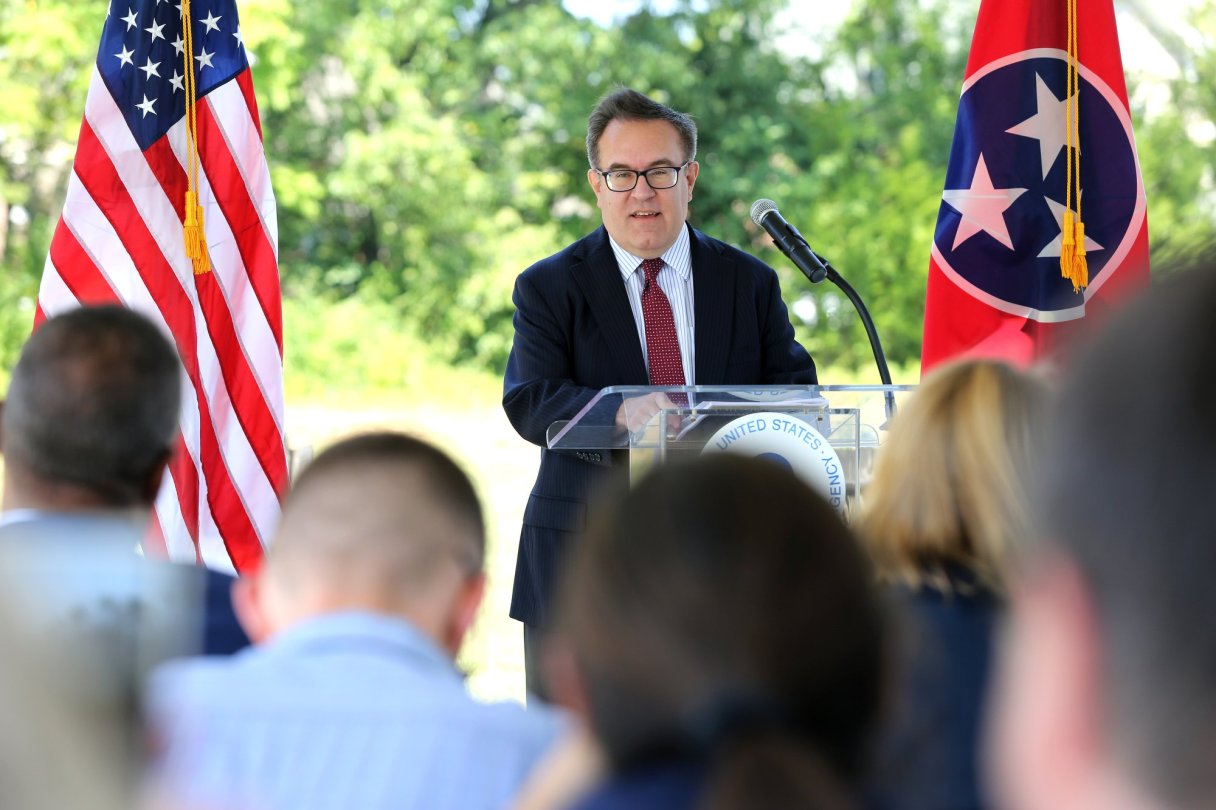
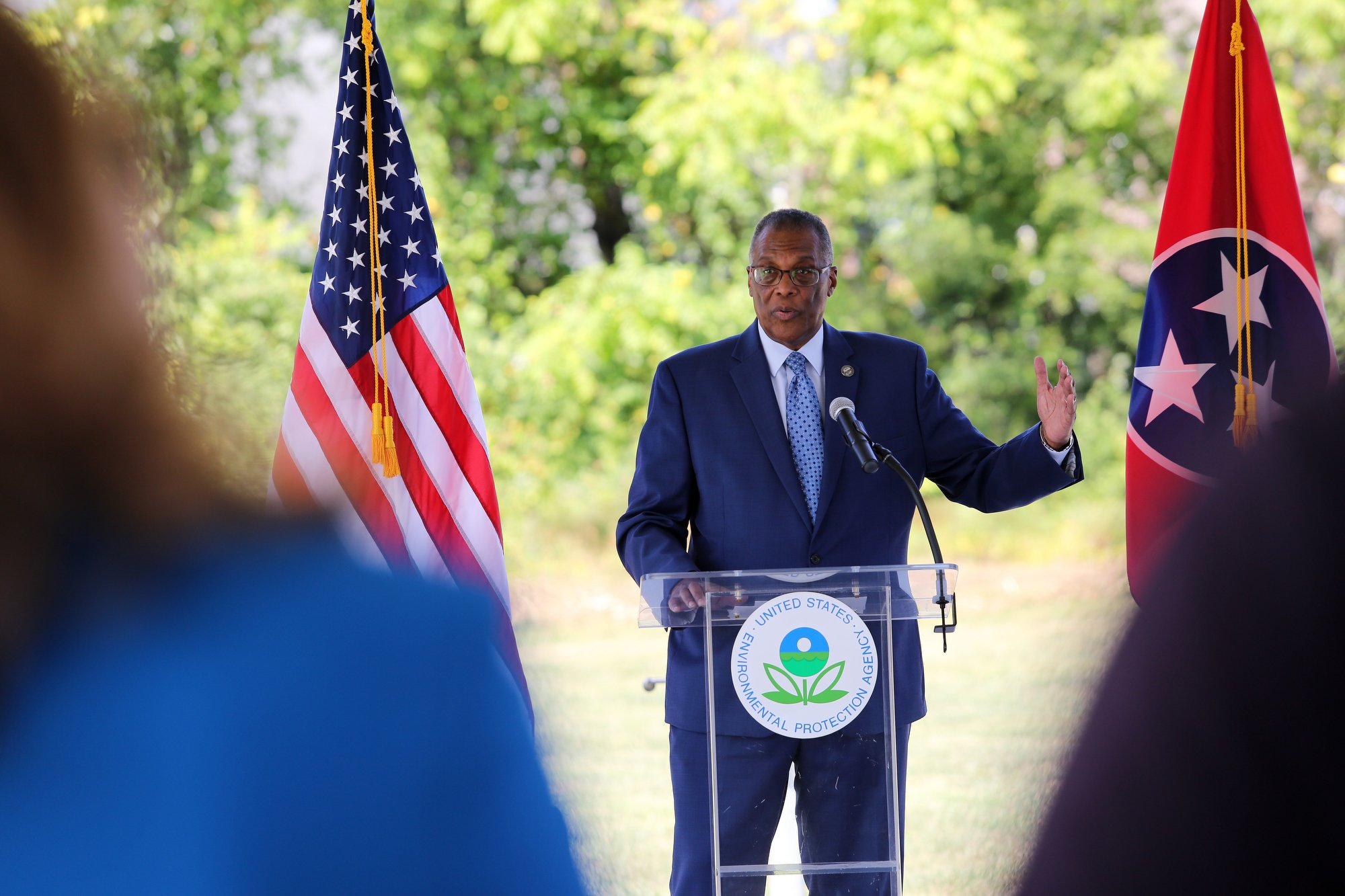
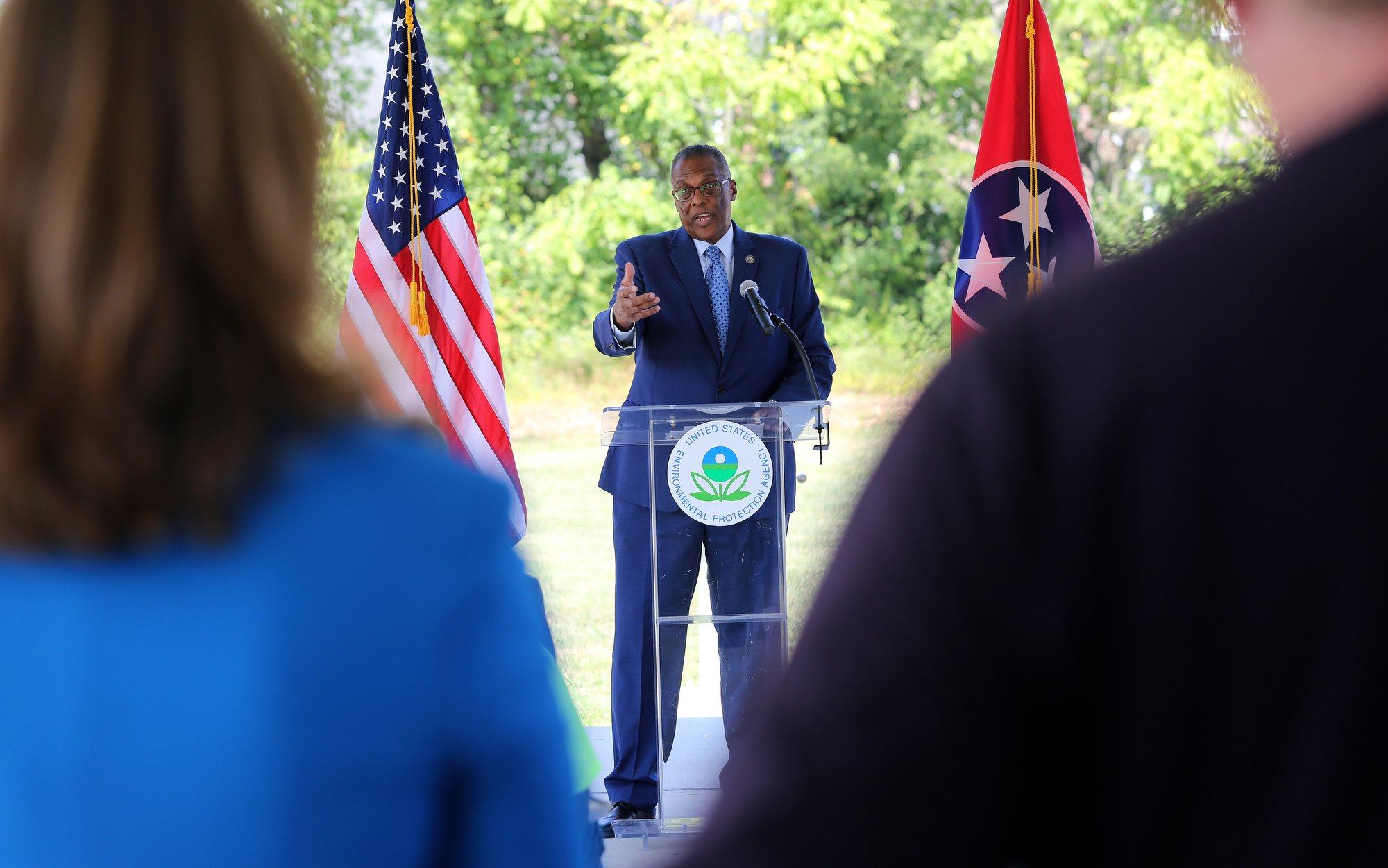
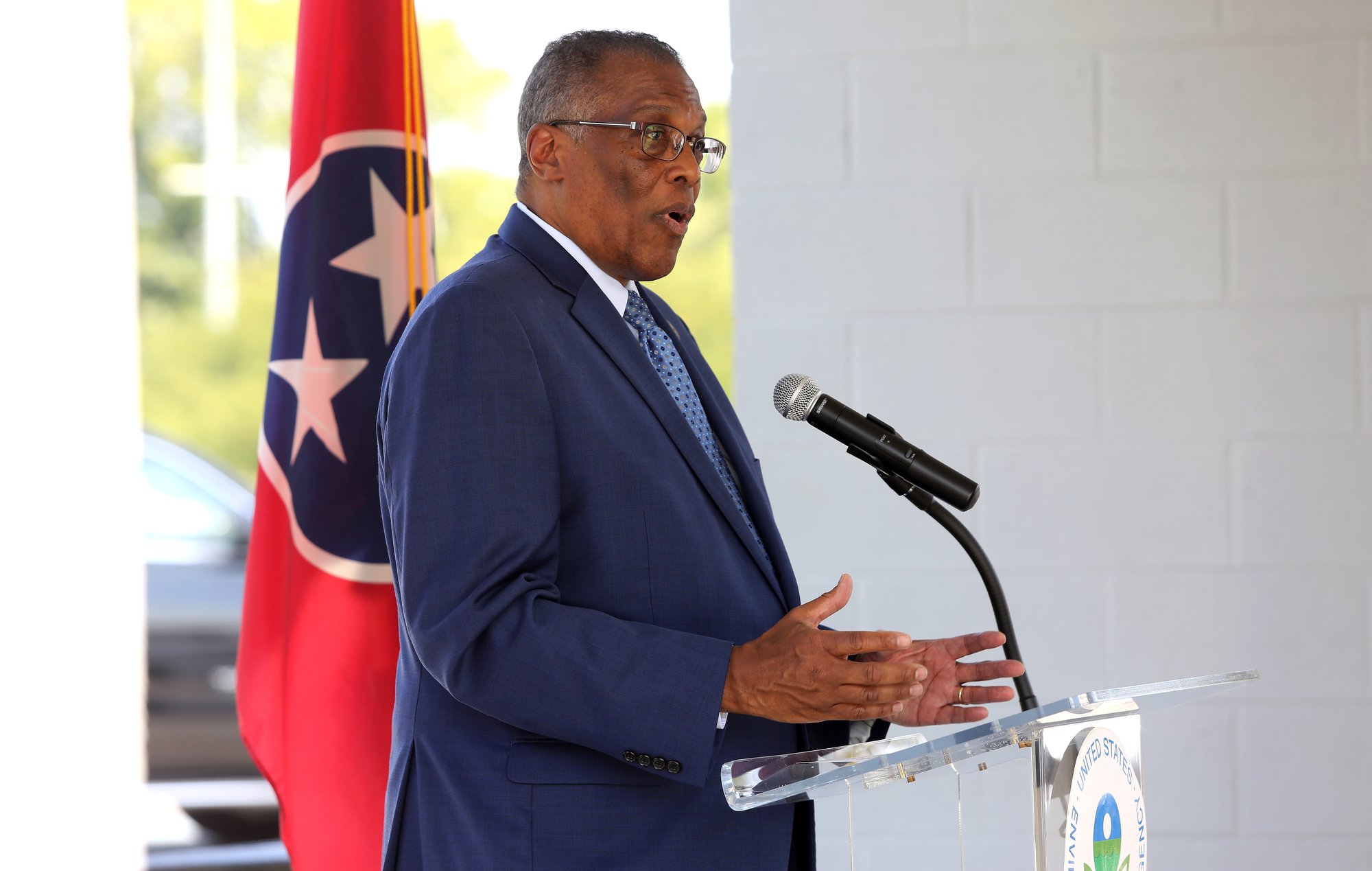
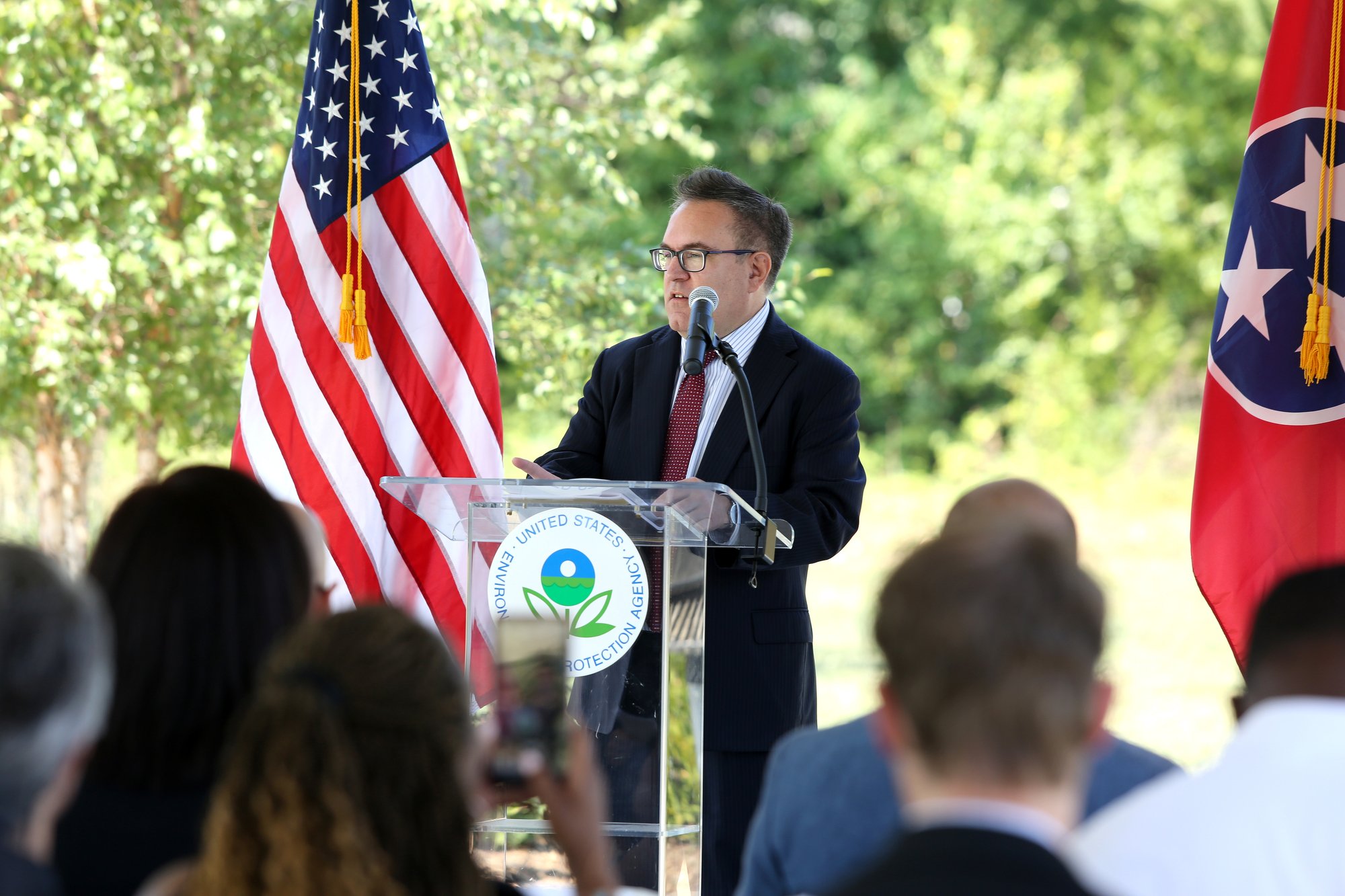
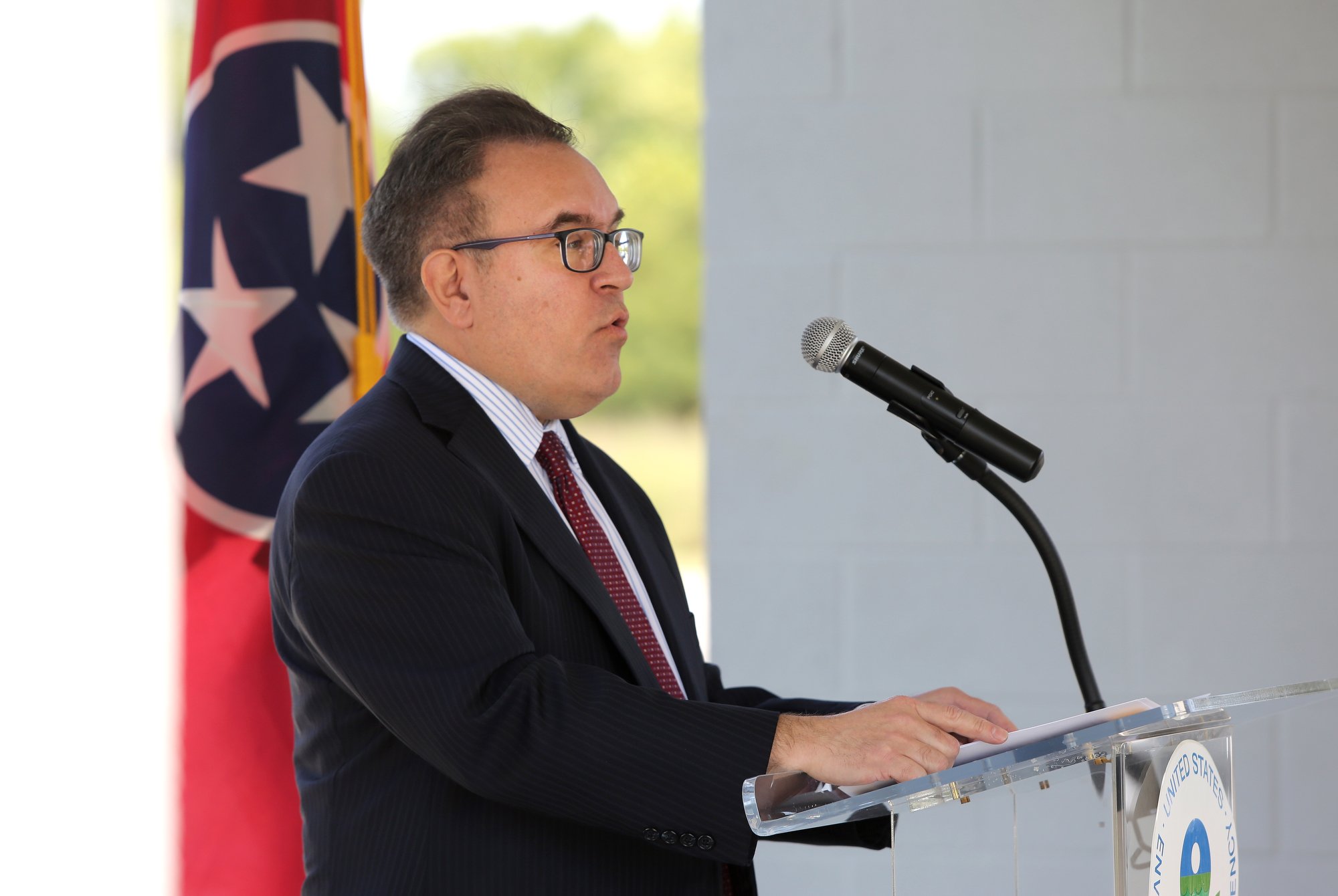
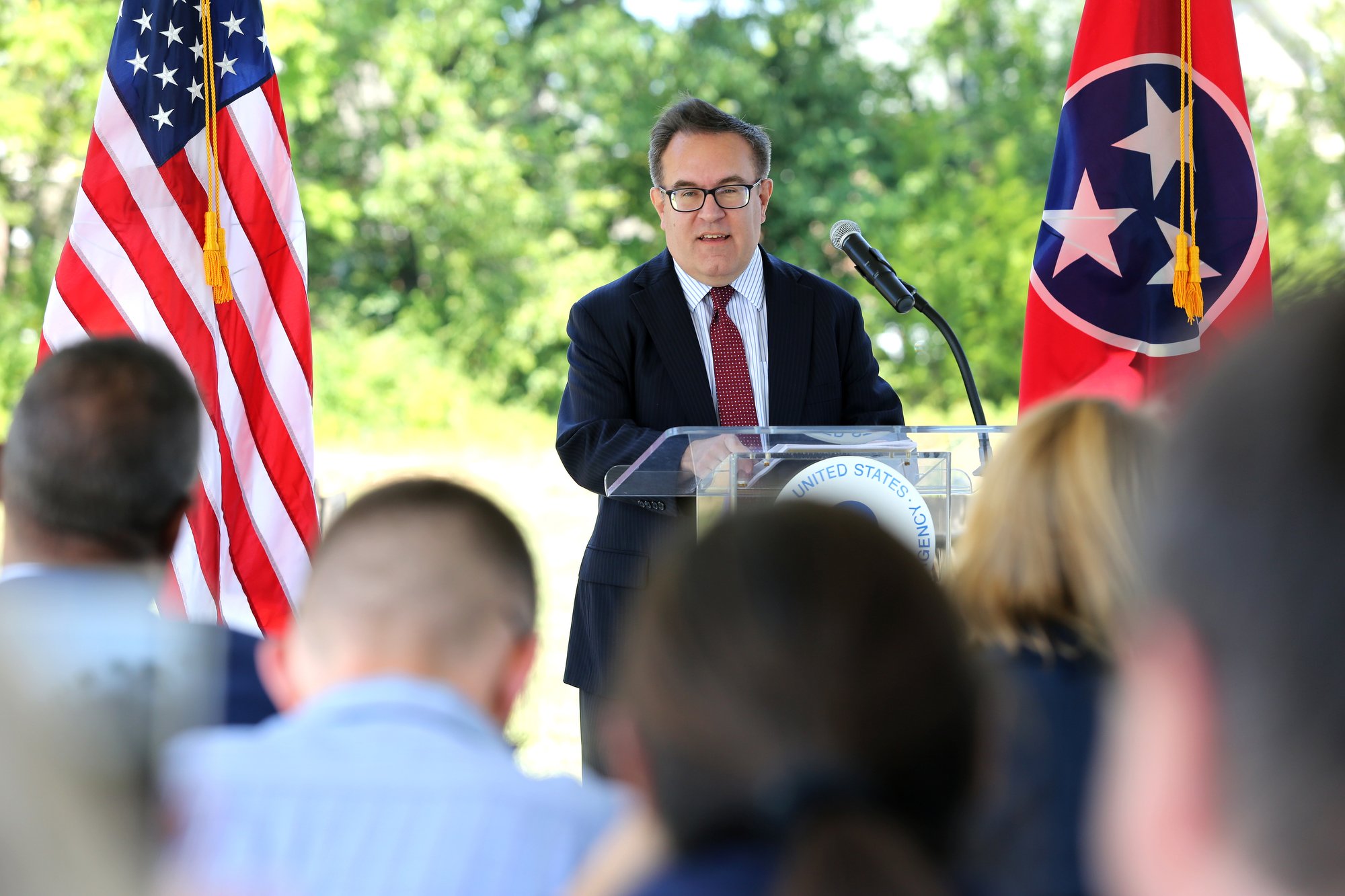
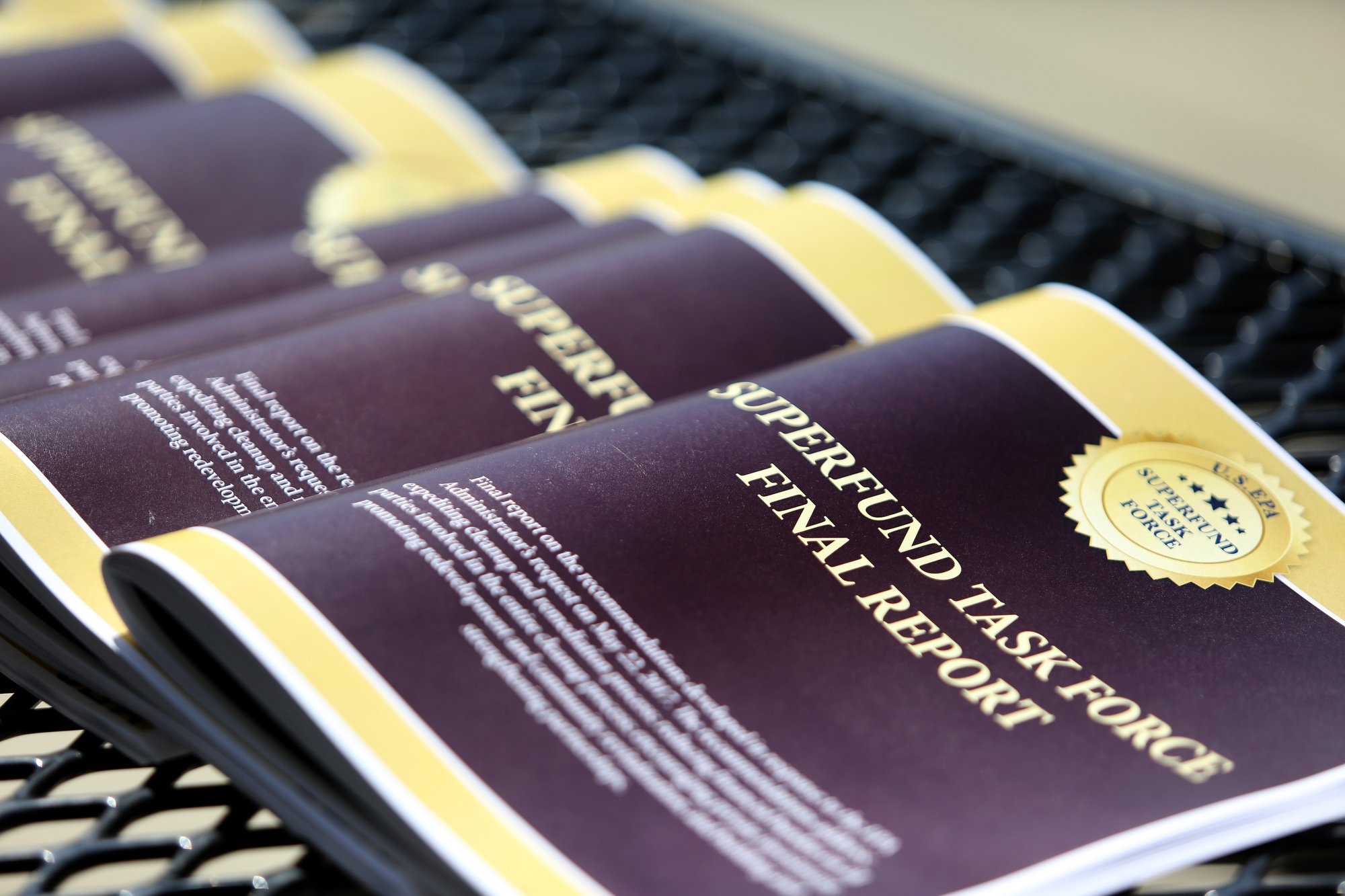
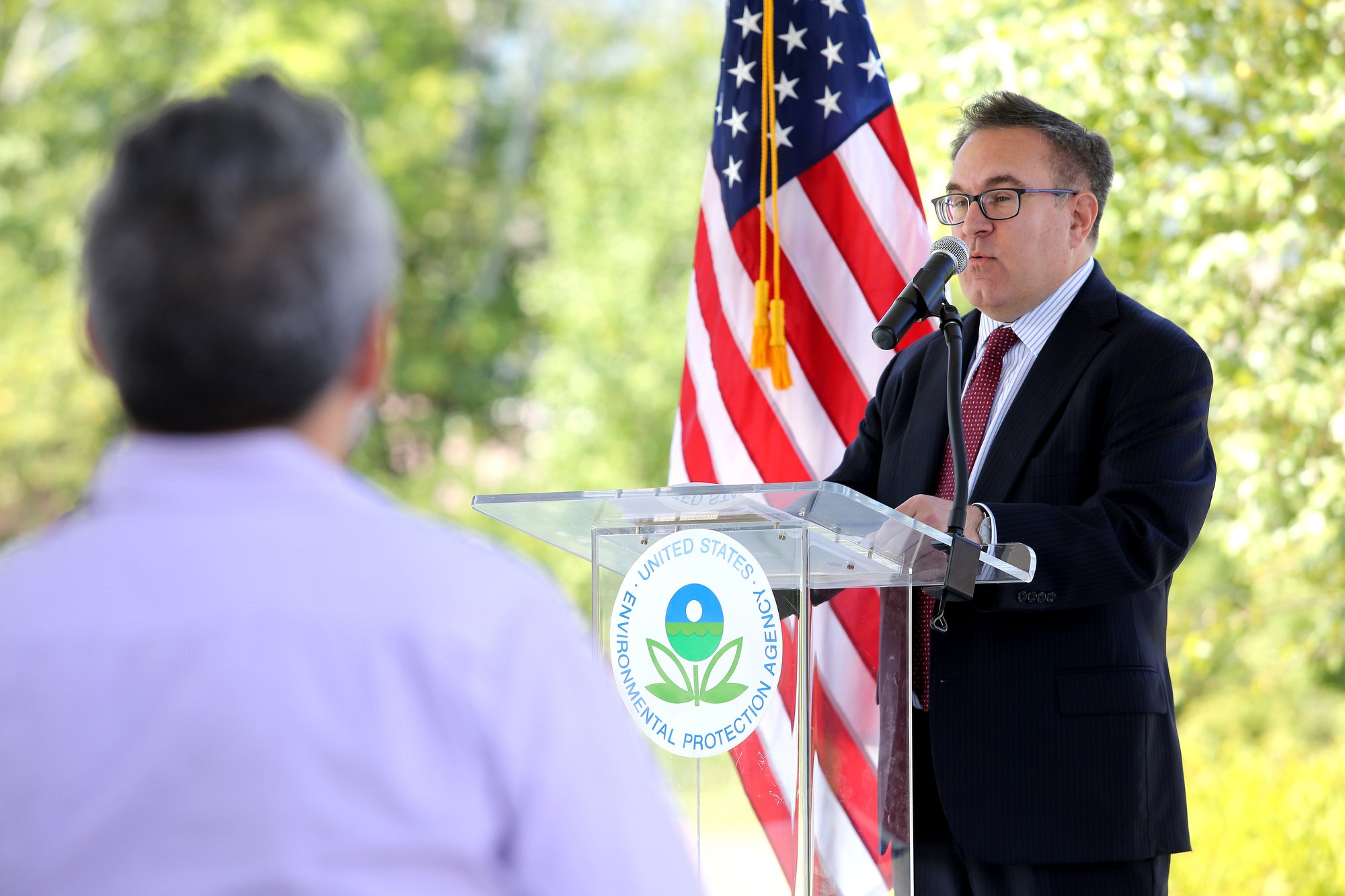
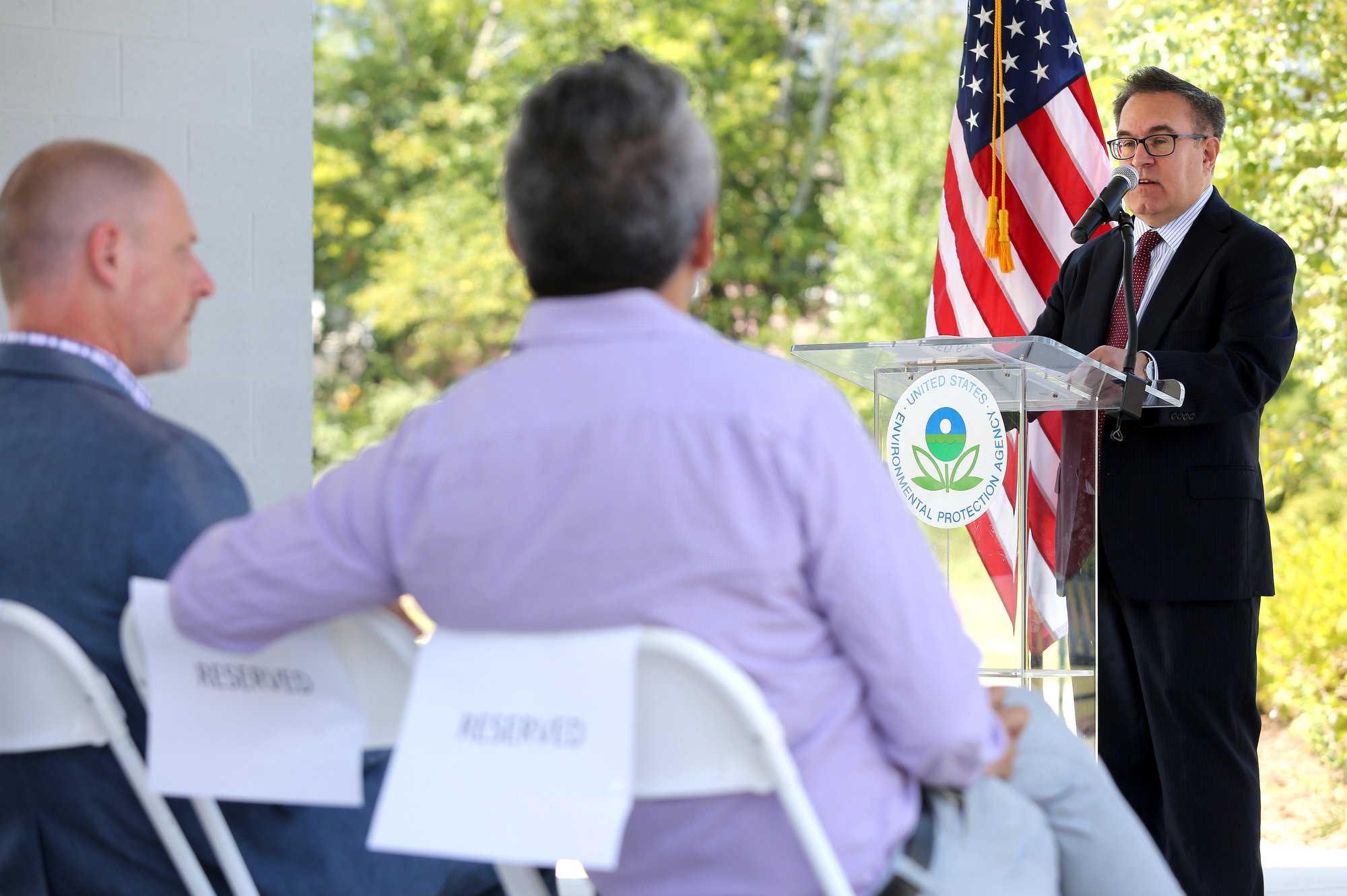
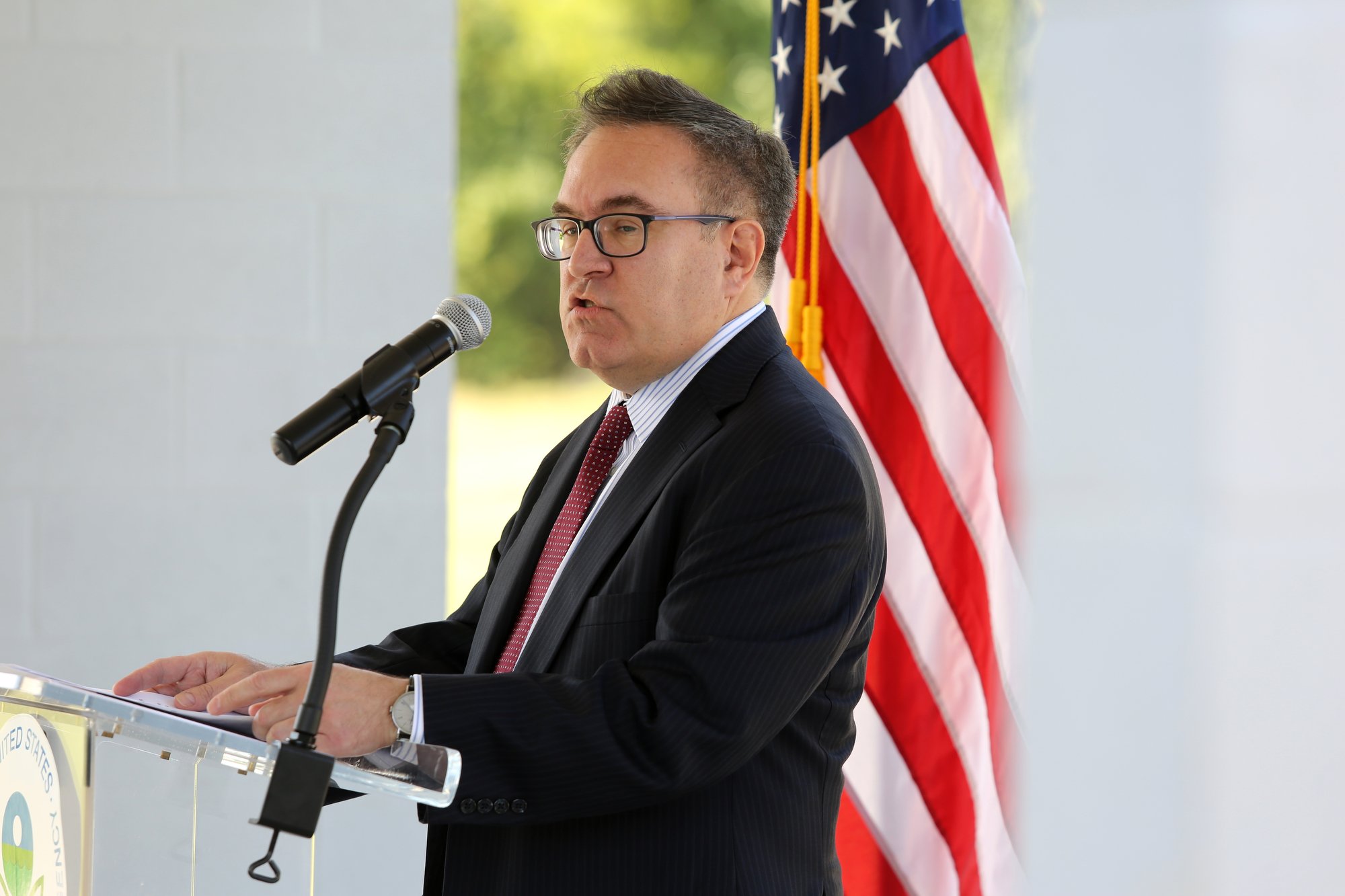
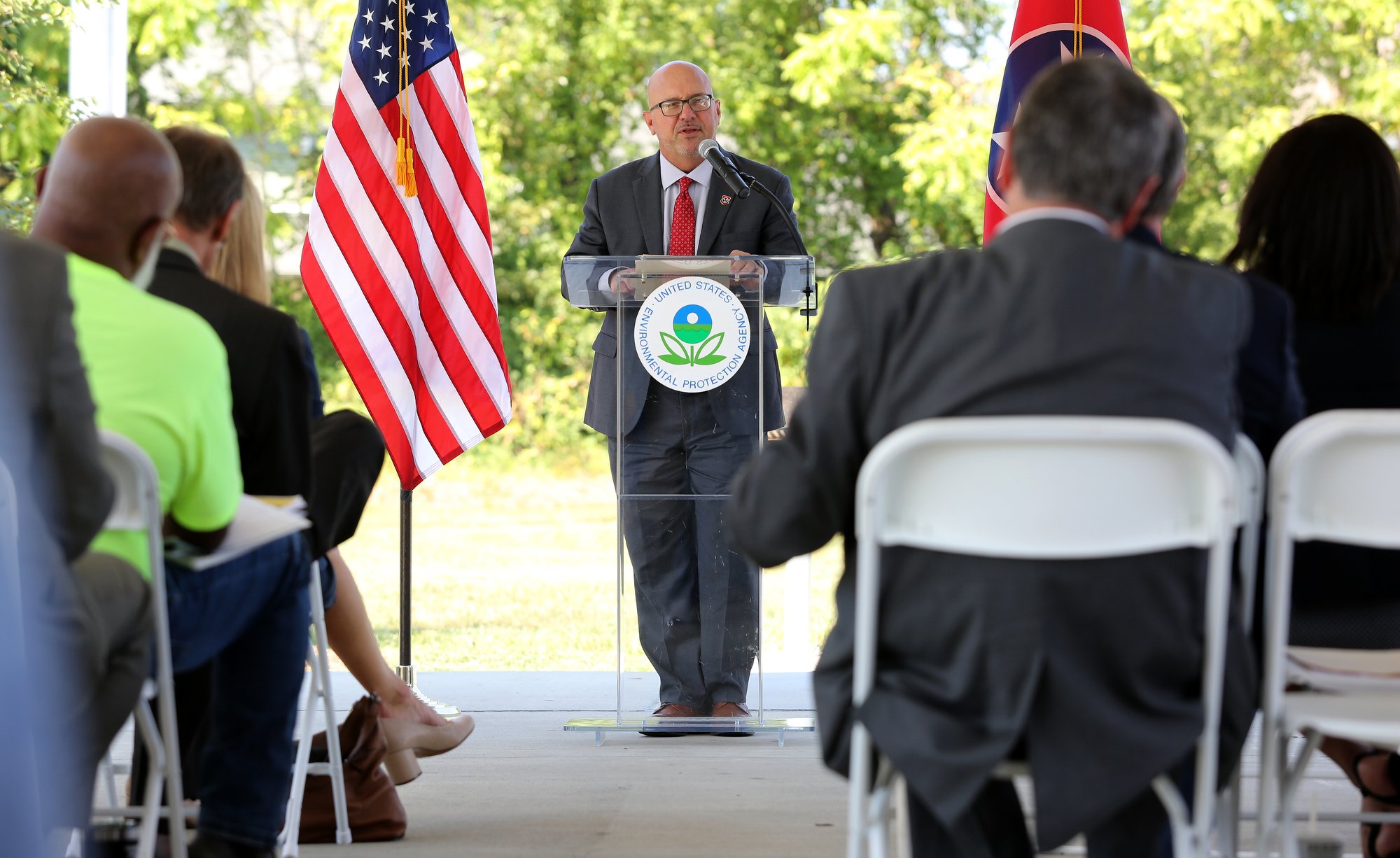
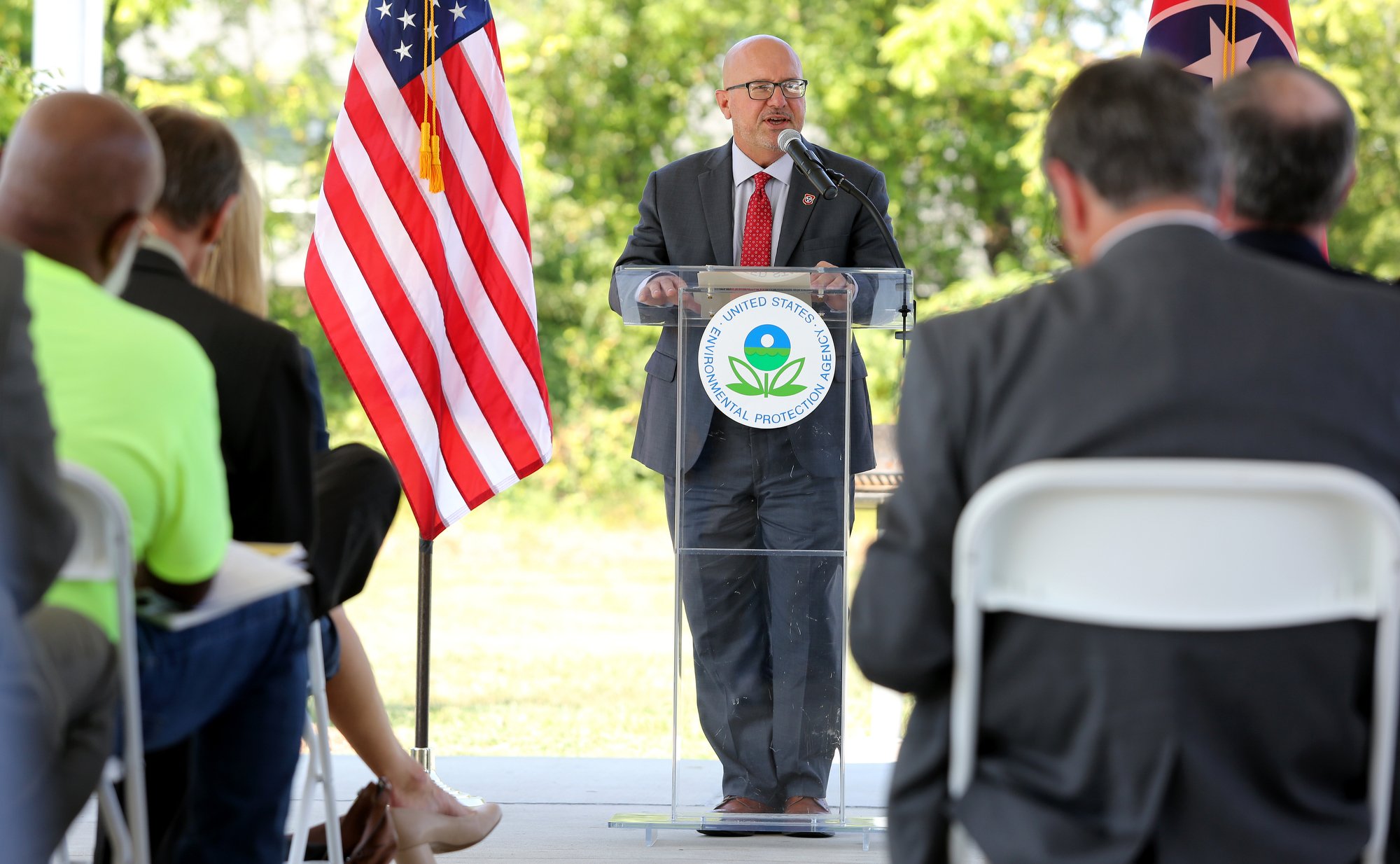
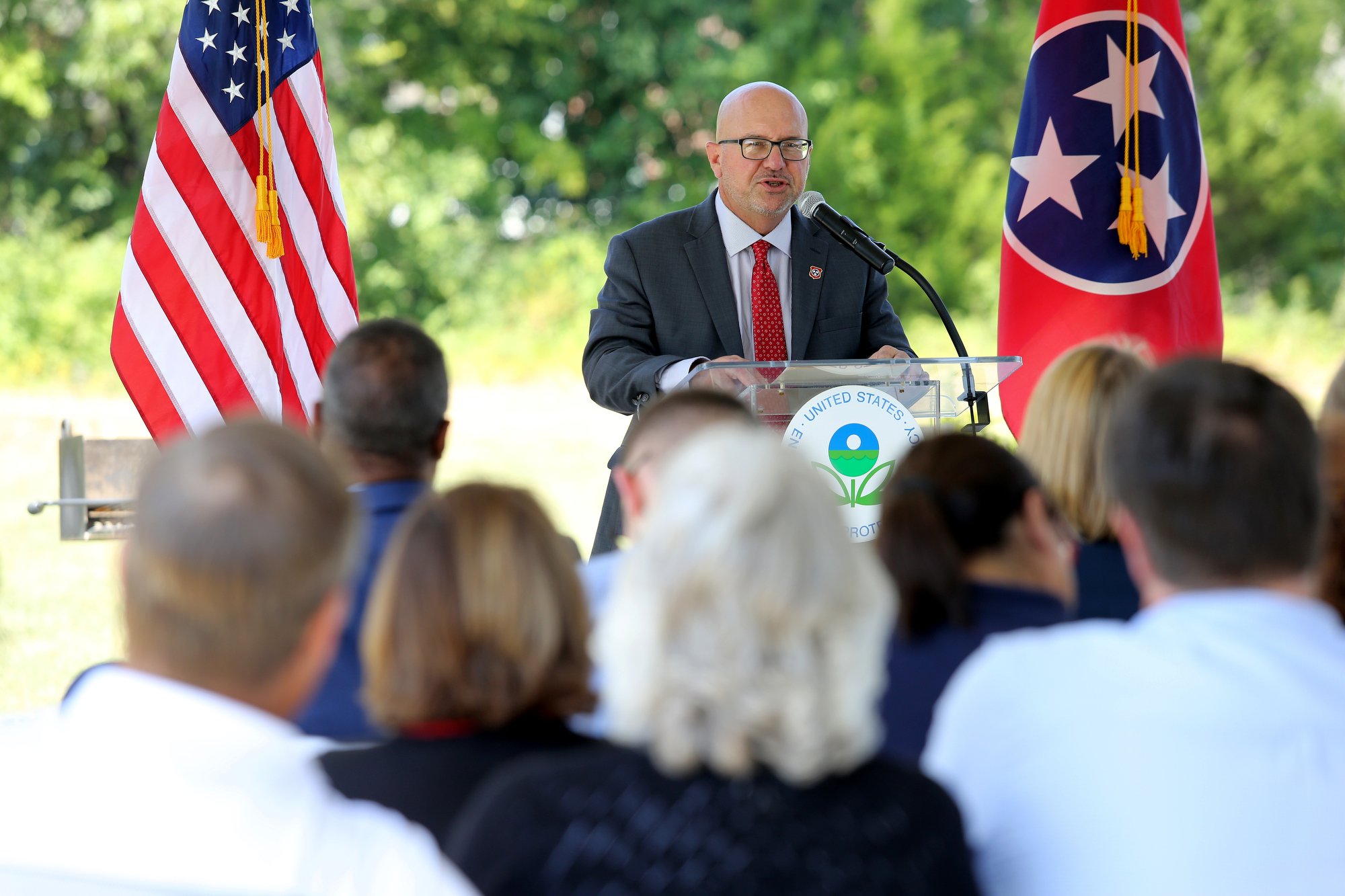
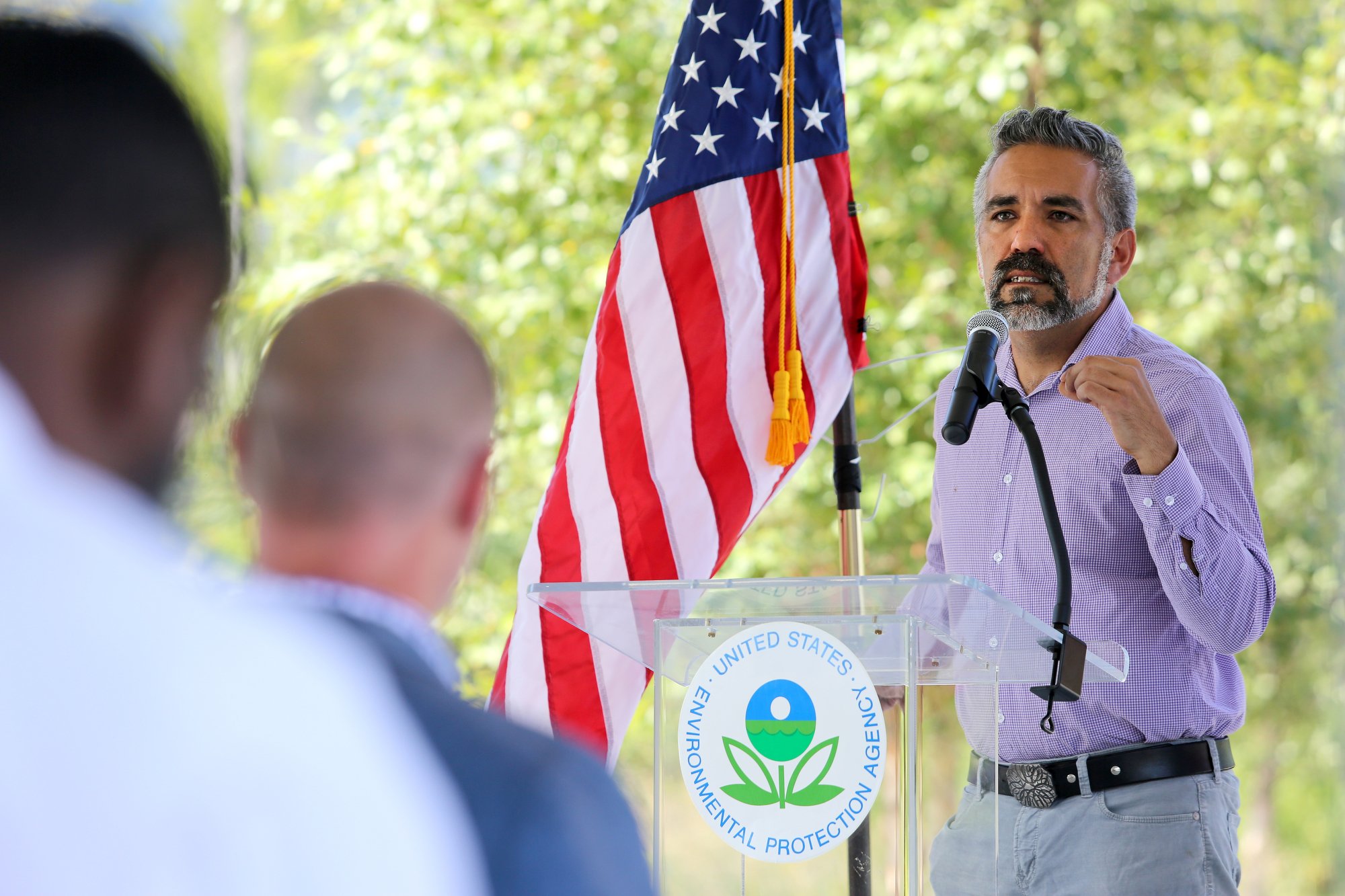
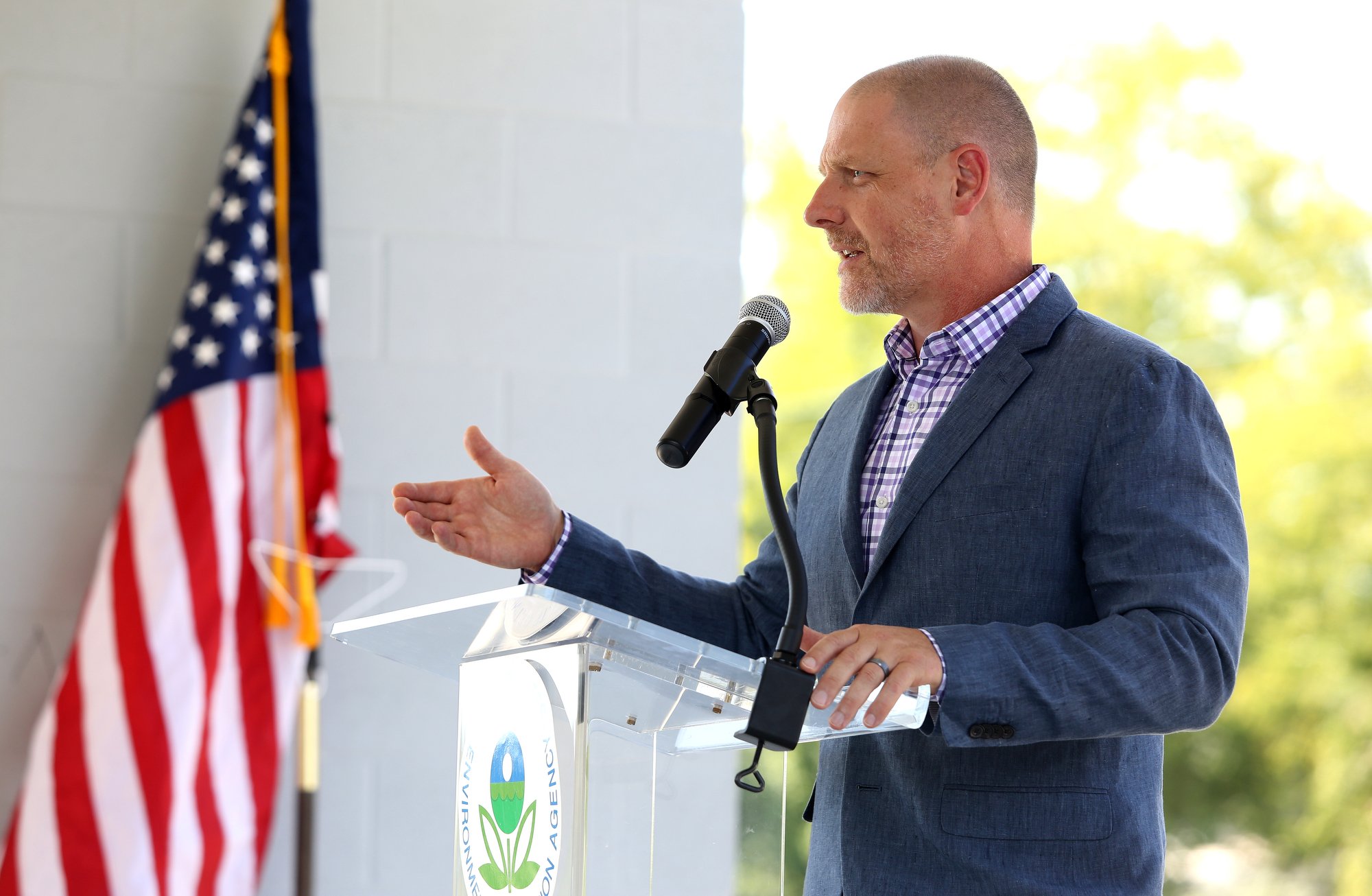
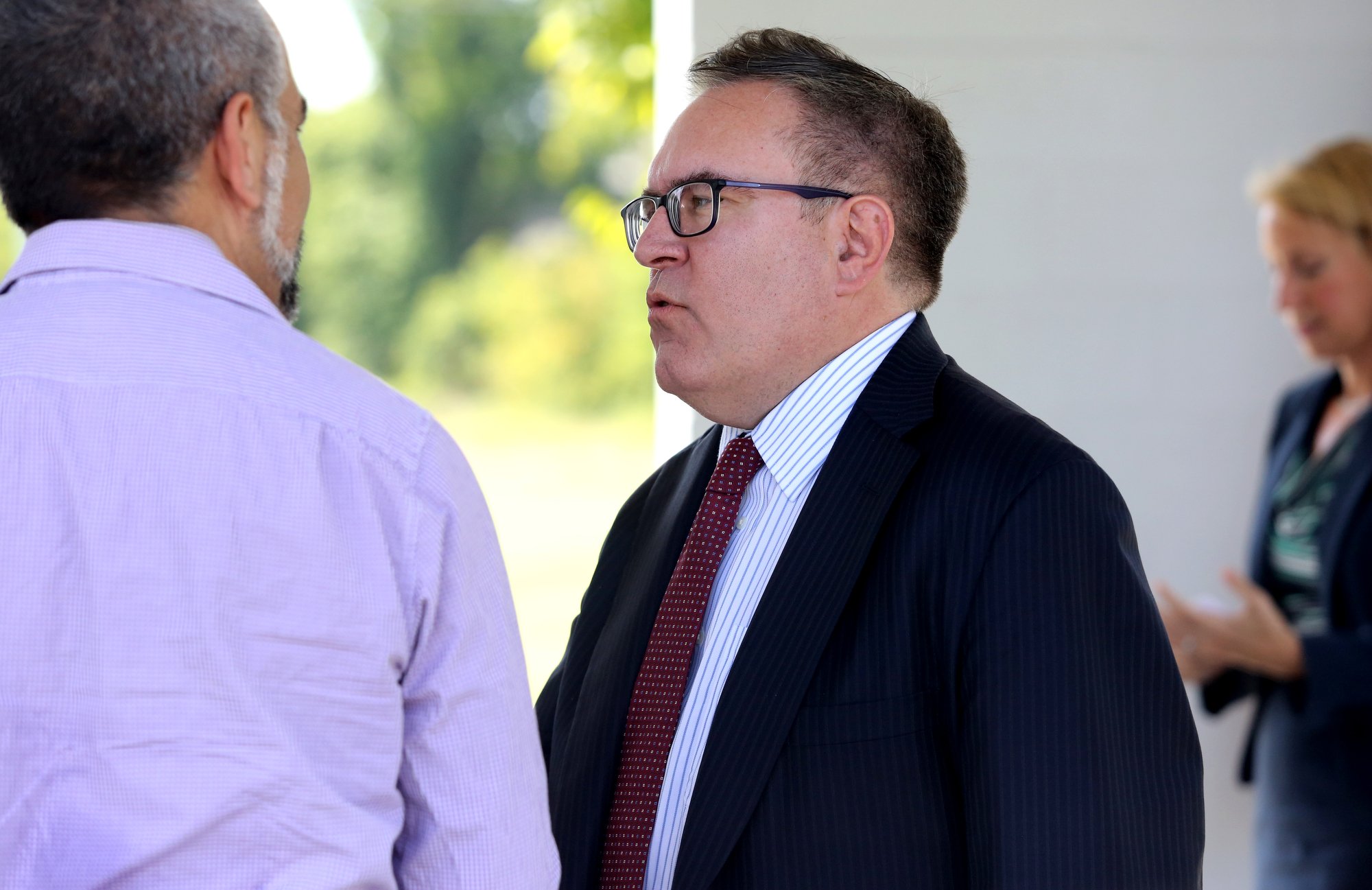
Speaking in Chattanooga Monday, EPA Administrator Andrew Wheeler released the final report of the national Superfund Task Force, detailing the U.S. government’s official plan to remediate America’s most toxic locations.
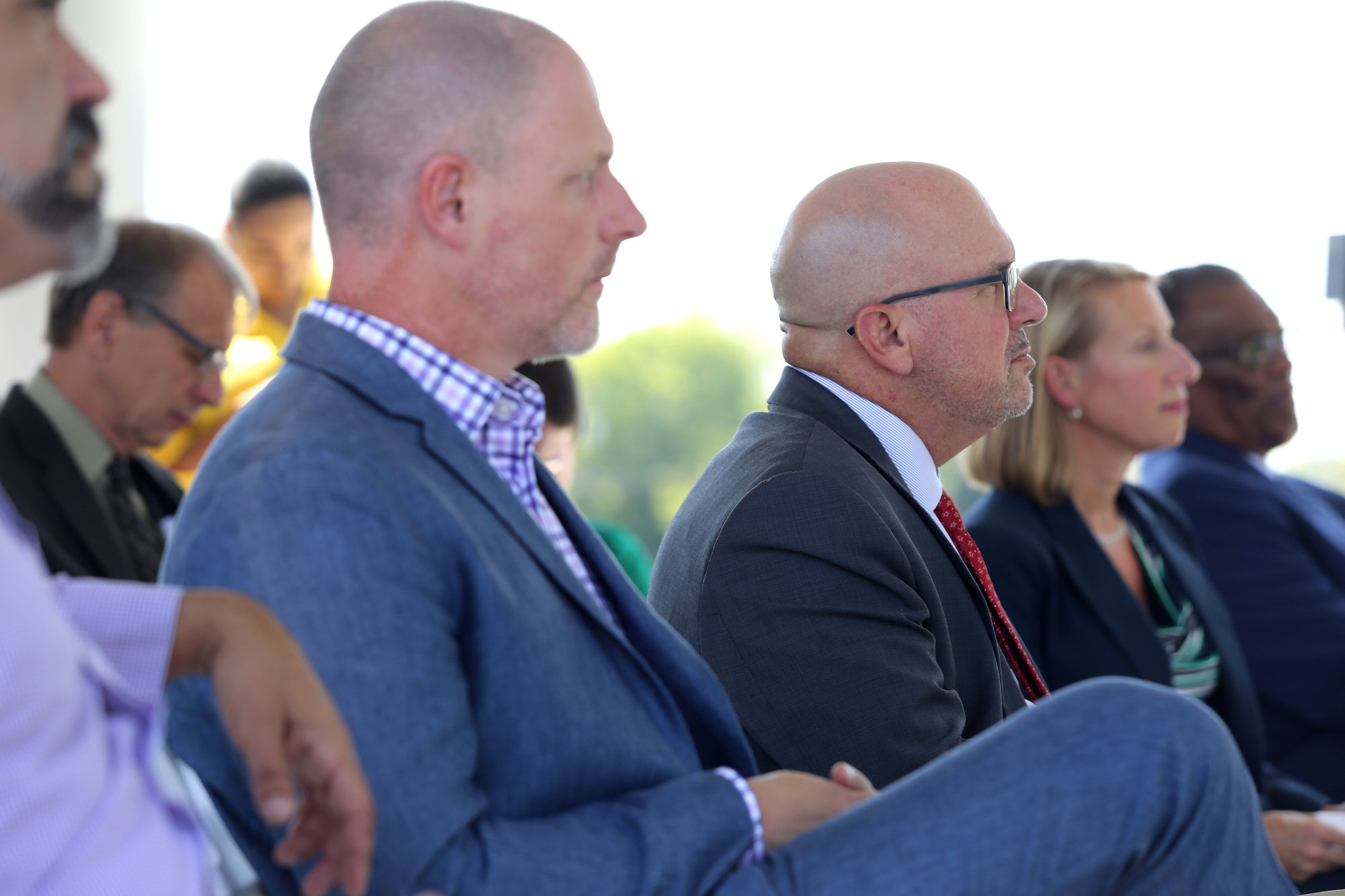
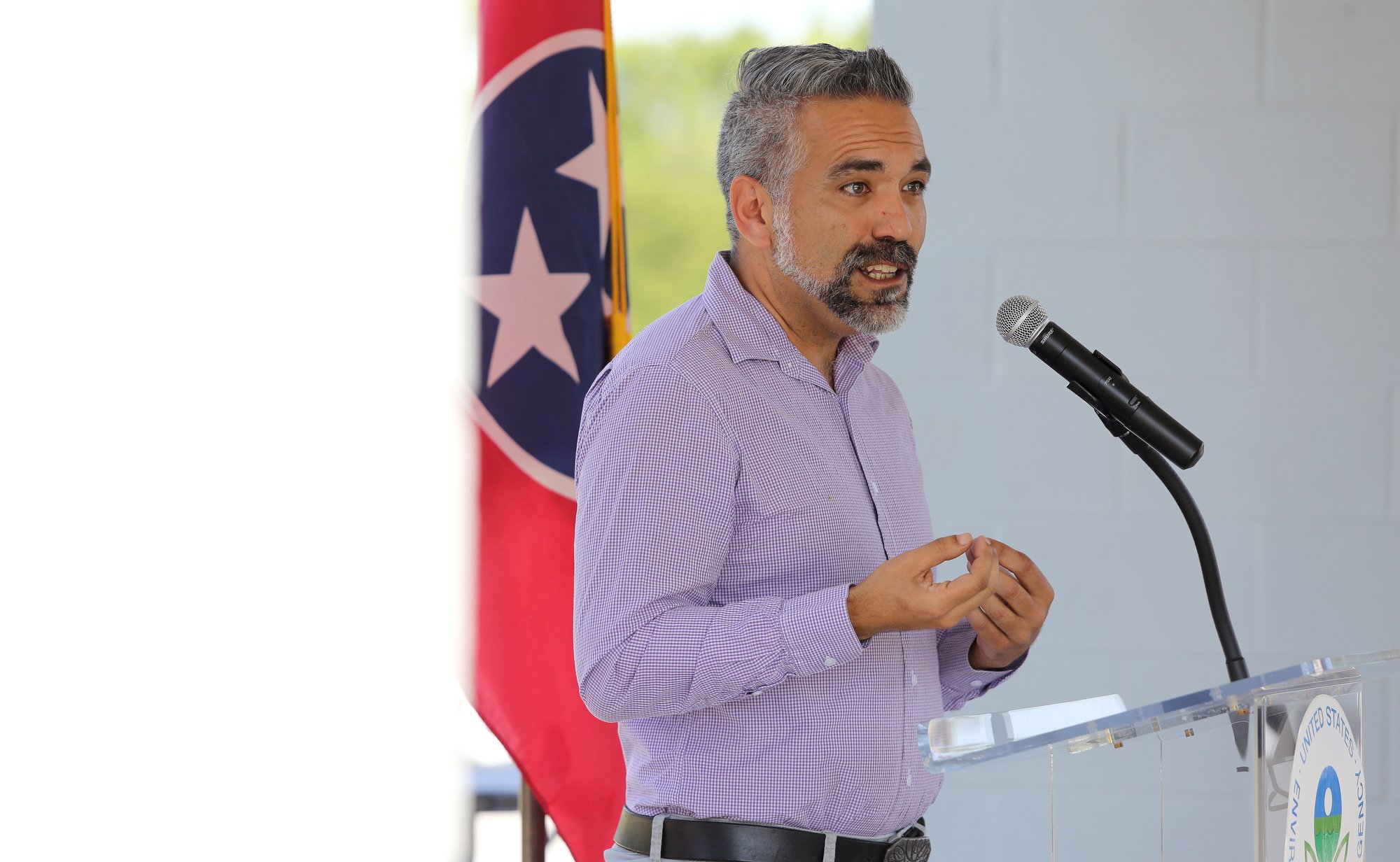
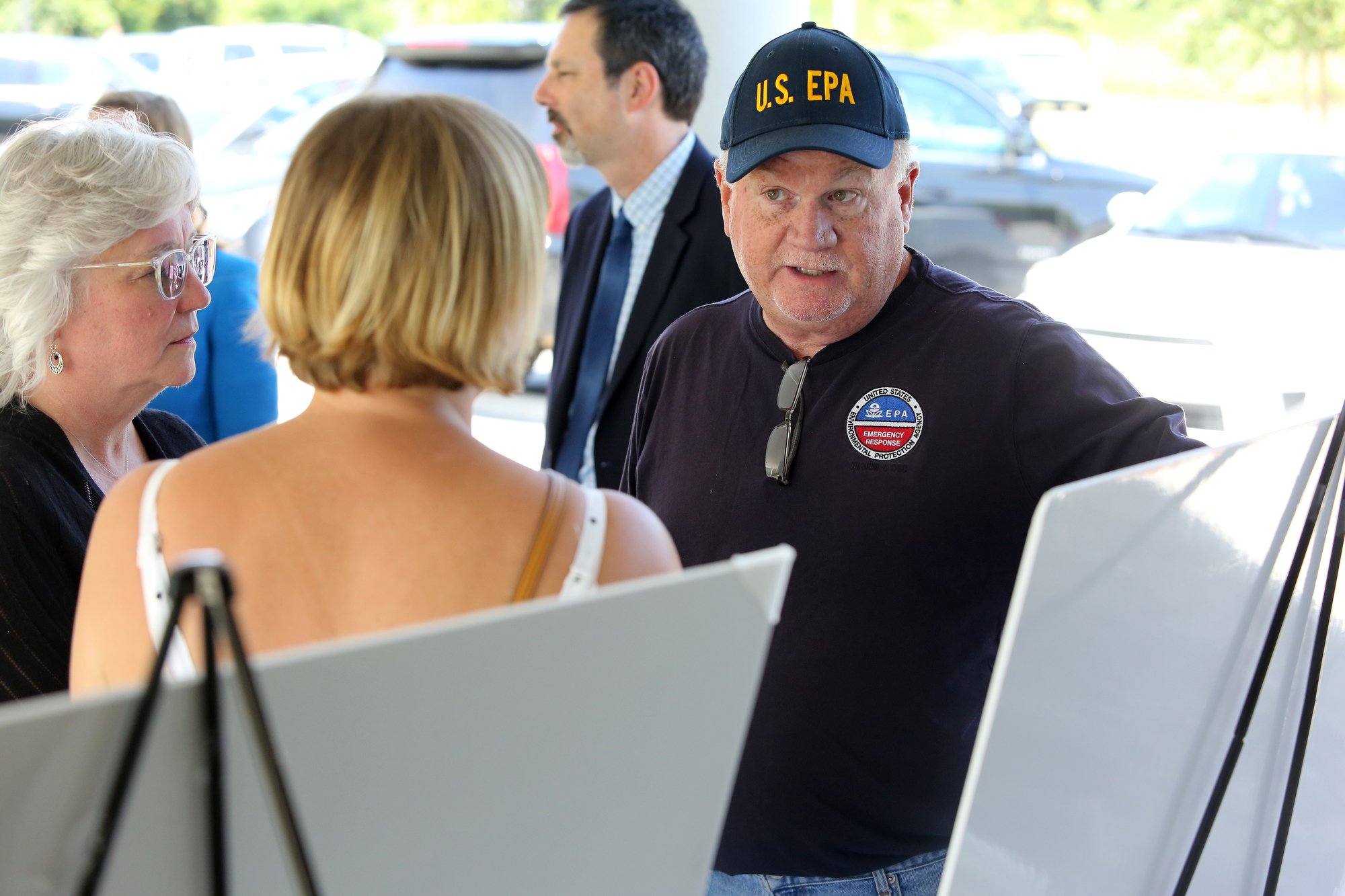
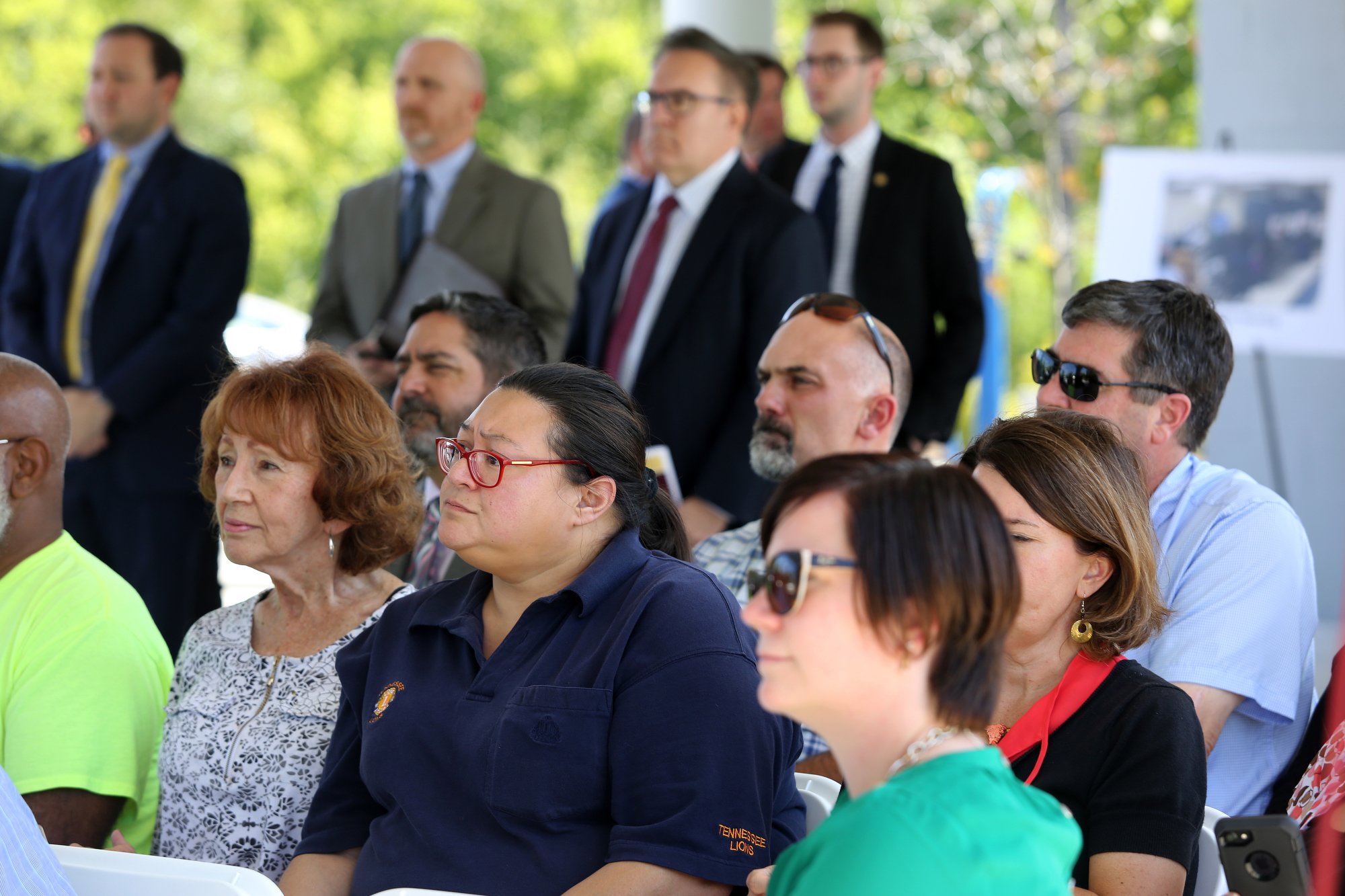
The announcement came at a new community park in the heart of the Southside Chattanooga Lead Site, where contaminated soil has plagued residents for a century across eight neighborhoods. The site serves as a beacon of success for the Superfund program, according to Wheeler. A year ago this week, it was added to the National Priorities List, which opened more funding opportunities and allowed the Environmental Protection Agency to begin replacing the lead-tainted soil. The total cleanup is expected to cost up to $26 million.
“We were able to get dozens of high-priority locations cleaned up while the rest of the remediation process continues to move forward. It is important that we make progress at these sites and not sit around and wait for decades,” Wheeler said. ” We believe that a site on the National Priorities List should be just that, a national priority.”
The new report recommends a five-step process to transform the nation’s worst hazardous waste sites: expedite cleanup, reduce the financial burden on involved parties, encourage private investment, promote community revitalization and strengthen partnerships. It comes at the request of former EPA director Scott Pruitt, who commissioned the report in 2017.