
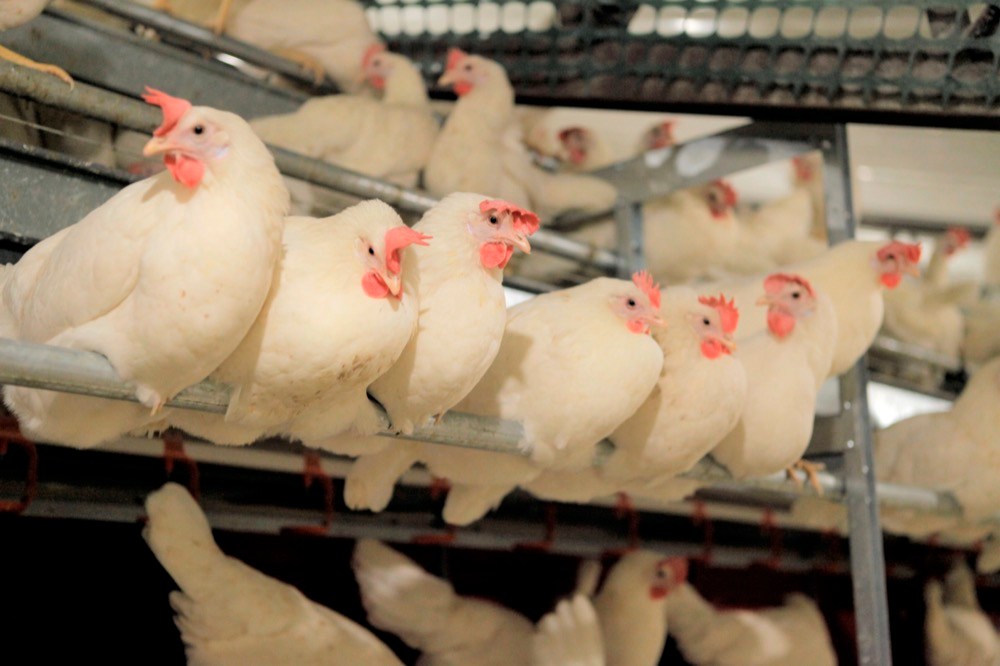
DES MOINES, Iowa (AP) – Without much fuss and even less public attention, the nation’s egg producers are in the midst of a multibillion-dollar shift to cage-free eggs that is dramatically changing the lives of millions of hens in response to new laws and demands from restaurant chains.
In a decade, the percentage of hens in cage-free housing has soared from 4% in 2010 to 28% in 2020, and that figure is expected to more than double to about 70% in the next four years.
The change marks one of the animal welfare movement’s biggest successes after years of battles with the food industry. The transition has cost billions of dollars for producers who initially resisted calls for more humane treatment of chickens but have since fully embraced the new reality. Pushed by voter initiatives in California and other states as well as pressure from fast food restaurant chains and major grocers, egg producers are freeing chickens from cages and letting them move throughout hen houses.
“What we producers failed to realize early on was that the people funding all the animal rights activist groups, they were our customers. And at the end of the day, we have to listen to our customers,” said Marcus Rust, the CEO of Indiana-based Rose Acre Farms, the nation’s second-largest egg producer.
Josh Balk, vice president for farm animal protection at the Humane Society of the United States, noted the abruptness of the about face. This is “an entire industry that at one point fought tooth and nail not to make any changes,” he said.