
It is always painful to grapple with realities that contravene your most deeply held beliefs.
A major theme of recent feminist writing has been the chasm between the rhetoric of sexual liberation and many women’s depressing experience of casual sex. I’ve met many idealistic Jews, raised to always give Israel the benefit of the doubt, who’ve been floored when they saw the occupation of Palestine up close. Plenty of people convinced themselves that because the impetus behind pandemic school closures was noble, the results wouldn’t be devastating.
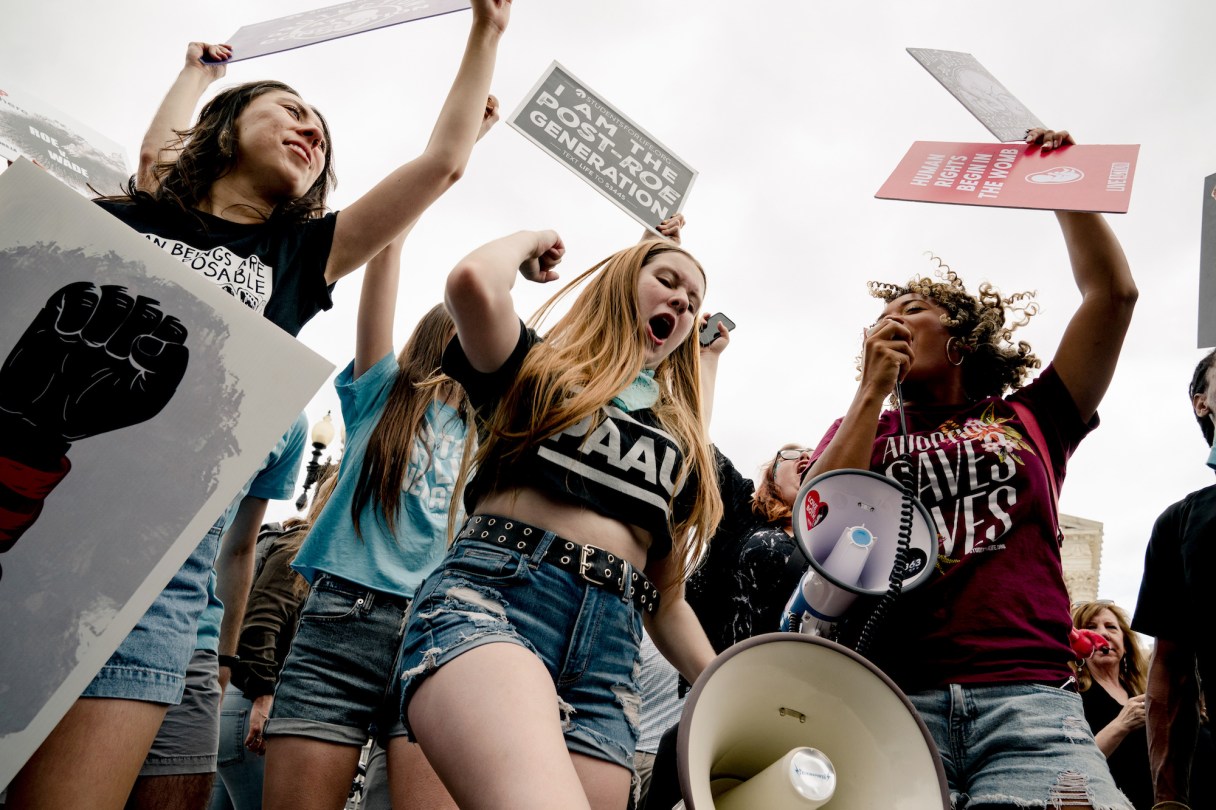
Perhaps some in the anti-abortion movement are wrestling with a similarly discomfiting gap between intentions and effects right now. That, at least, is the most sympathetic reading of the angry denial of prominent abortion opponents when confronted with a predictable consequence of abortion bans: delayed care for traumatic pregnancy complications.
Since Roe v. Wade was overturned last month, there’s been a barrage of horror stories, including several of women refused abortions for life-threatening pregnancy complications.
Some foes of abortion appear unbothered by such suffering; Idaho’s Republican Party recently rejected language from its party platform that would allow for abortions when a pregnant woman’s life is at stake. Others, however, seem to be struggling to reconcile their conviction that abortion bans are good for women with these evidently not-good outcomes. The result is frantic and sometimes paranoid deflection.