
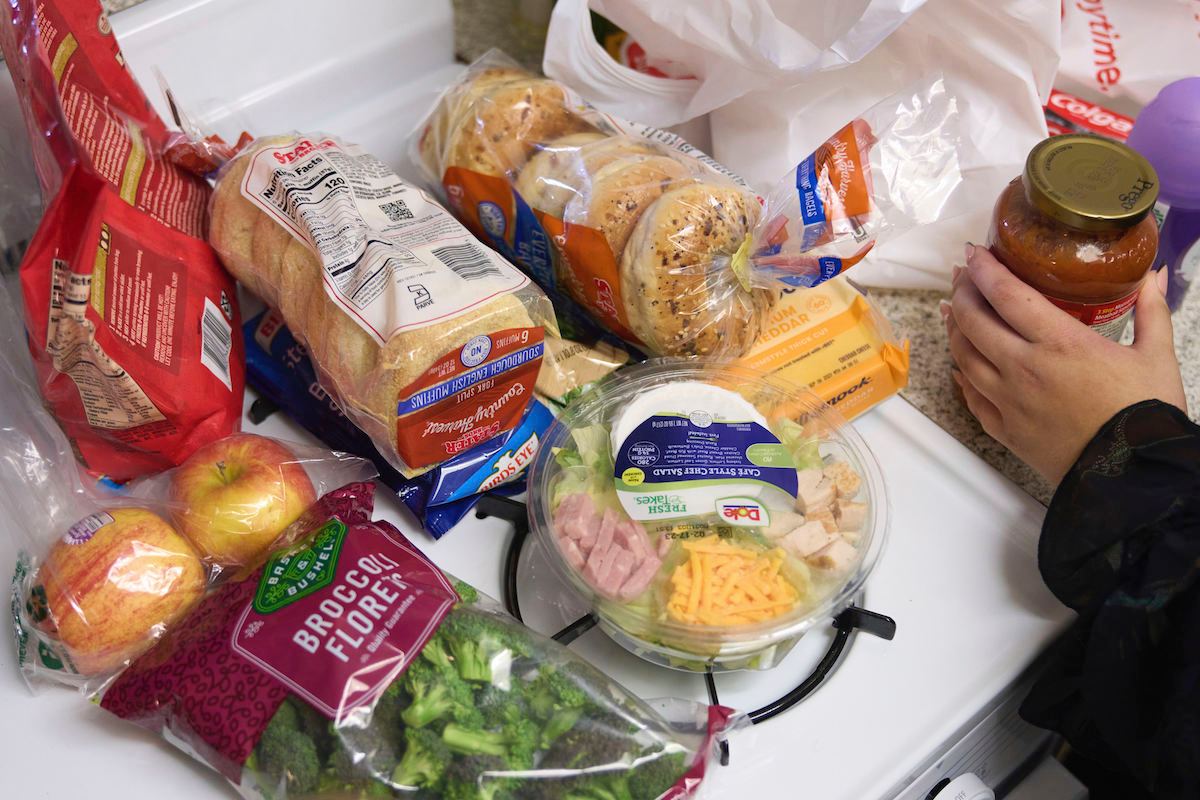
As the cost of living in the U.S. has gone up, government subsidies to help people pay for basics have disappeared one-by-one. Up next on the chopping block: Emergency allotments of a food-assistance program that supports 30 million Americans living in 32 states.
Enhanced benefits for the Supplemental Nutrition Assistance Program, or SNAP, ended in Tennessee and Georgia two months ago and ended Tuesday for recipients in most other states, meaning families and individuals will get at least $95 less per month. Some of the food stamp recipients will see cuts of $250-a-month or more.
Households with children will, on average, lose out on an extra $223 each month, according to the Center on Budget and Policy Priorities, a nonpartisan research and policy institute.
Melissa Blevins, president and CEO of the Chattanooga Area Food Bank, said the cutbacks on SNAP benefits have come and are coming at a particularly difficult time.
“High food prices are impacting individuals and families across our region,” she said. “SNAP benefits are essential for households who are struggling to make ends meet. One in six households in our service region in Tennessee and Georgia are experiencing some sort of food insecurity. The loss of these allotments, coupled with our current inflationary crisis, is increasing the demand and need for our services.”