
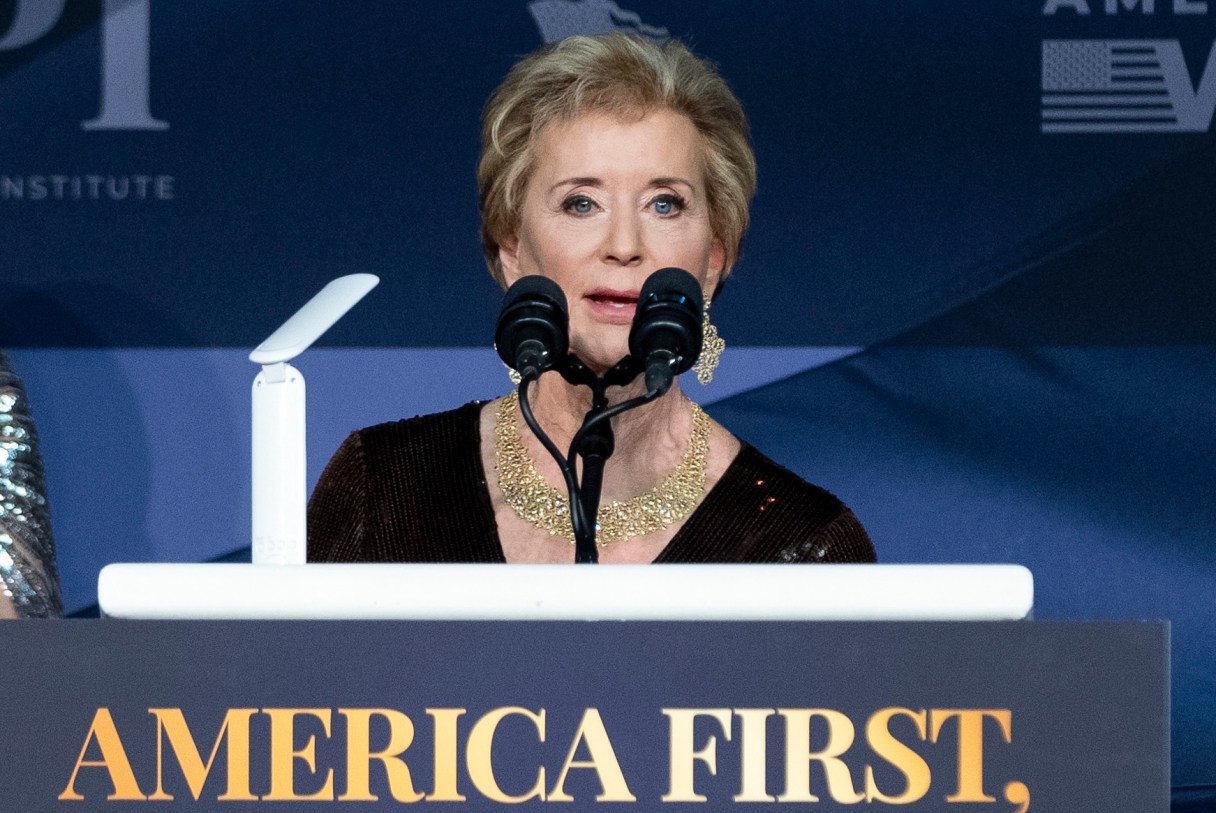
In announcing the nomination of Linda McMahon, a former professional wrestling executive, to his cabinet, President-elect Donald Trump proclaimed, “As Secretary of Education, Linda will fight tirelessly to expand ‘Choice’ to every State in America, and empower parents to make the best Education decision for families.”
It’s a reference to school vouchers, a priority for Trump, some of his biggest donors, and the Heritage Foundation’s Project 2025. The plan would allow parents to pay private school tuition or subsidize homeschooling with taxpayer money earmarked for public schools.
But the party’s rural base is far less enamored: Voters in three states this year sent important signals that the answer to parents’ frustration is not universal school vouchers.
In Nebraska, 57% of voters defeated a proposal to give low-income families tax-credit scholarships to pay for private schools. In Kentucky, 65% of voters defeated a proposed state constitutional amendment to divert tax dollars to private schools. And in Colorado, 62% of voters rejected an effort to amend the state’s constitution by adding a “right to school choice.”
For years, as wealthy conservative donors have used culture wars and the pandemic to accelerate the school choice movement, Americans in rural areas have raised the loudest concerns. For them, private schools are scarce and their communities are dependent on state dollars for public education because the property tax base is low. Concerns of rural lawmakers have been so great that they’ve stymied school choice expansion efforts in states like Georgia, Idaho, Virginia and Texas.