
America just passed the 50th anniversary of one of its truly terrible days — one that future historians can track as the beginning of the end of our democracy.
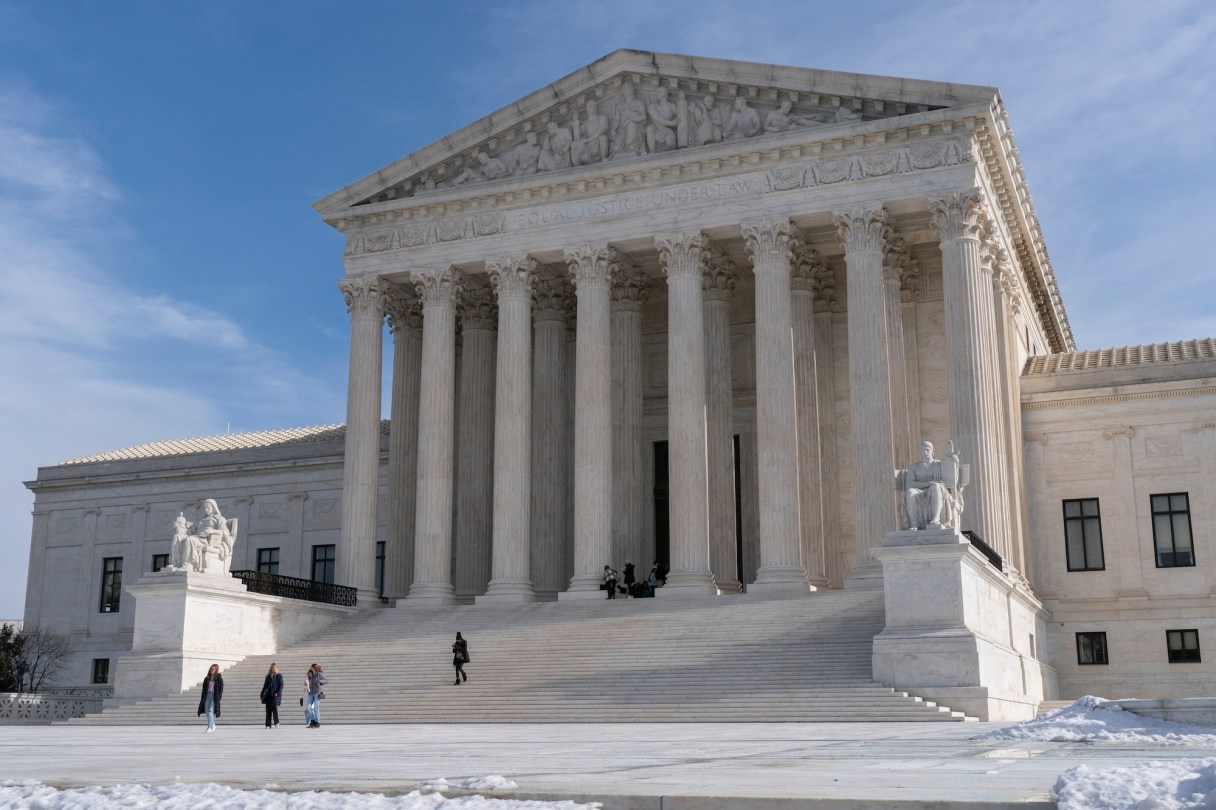
On Jan. 30, 1976, the U.S. Supreme Court, in the case of Buckley v. Valeo, overturned three of the major federal campaign finance reforms Congress enacted after the Watergate scandal.
Money talks, the court said, with all the freedom of speech afforded by the First Amendment.
The court threw out ceilings on what candidates could spend overall, and how much of their own money they could spend. It green-lighted unlimited “independent” spending by outside groups, provided that it wouldn’t be coordinated on the sly — which commonly happens.
On the other hand, the court upheld limits on what supporters can contribute directly. And if they accept matching funds, as Congress provided for presidential campaigns, then spending limits could be enforced.