
A majority of Georgia’s third graders — 62% — are not reading proficiently, according to the Georgia Council on Literacy.
That’s a big deal because research suggests reading proficiency at that age is a major predictor of future success, with kids who cannot read well by third grade four times as likely to drop out of school before getting their diploma.
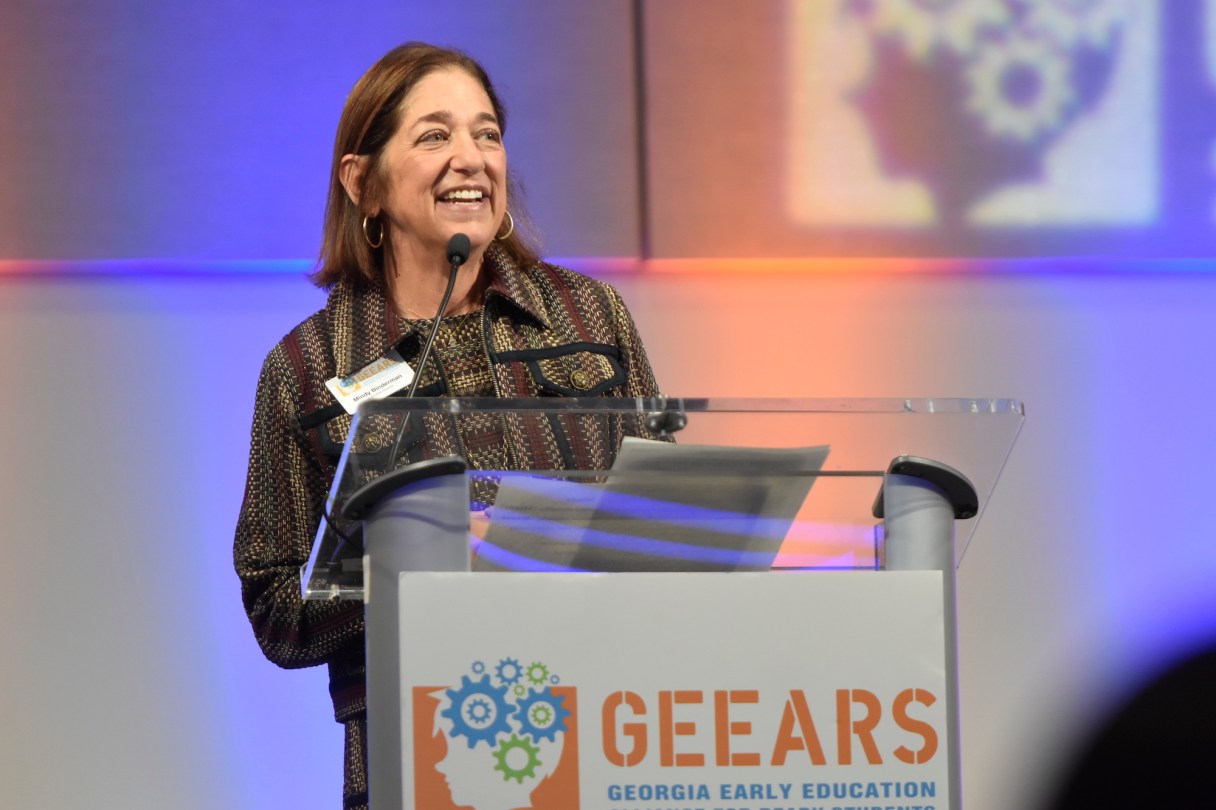
Third grade marks the transition point between learning to read and reading to learn, said Mindy Binderman, executive director of the Georgia Early Education Alliance for Ready Students, a nonprofit supporting early learning.
“Third grade marks the time when we’ve stopped really doing a lot of reading instruction and instead we expect children to understand context and begin to read to learn materials,” she said. “If kids are not reading to learn by the end of third grade, they just fall further and further behind, and we know that if they don’t meet this third grade reading milestone, they’re less likely to be successful in school or to graduate high school and more likely to engage in risky behaviors as they get older.”
State lawmakers say 2026 is the year they will pass major legislation to assist teachers in helping the youngest Georgians become skilled readers. House Bill 1193, the Georgia Early Literacy Act of 2026, is House leaders’ attempt to do so.