
Second of two parts.
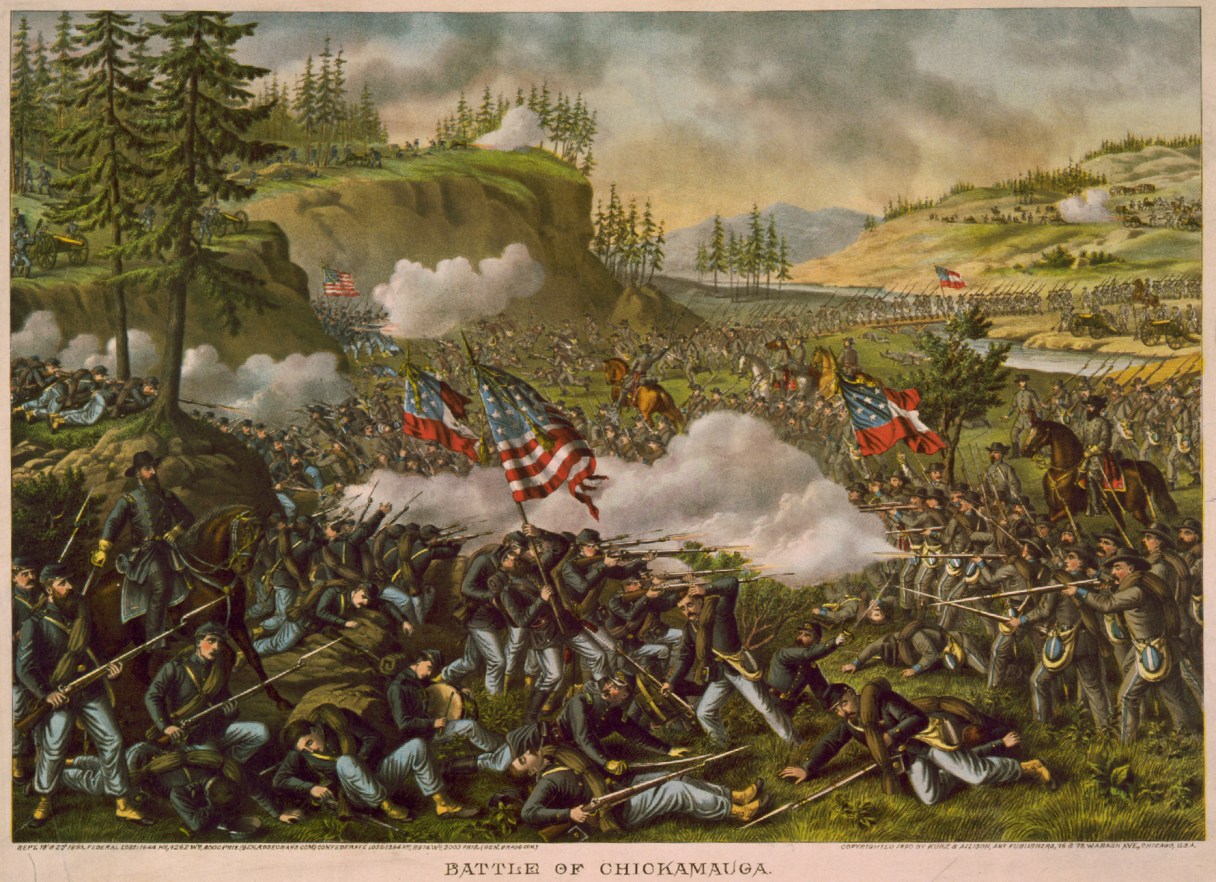
Bradford Torrey, journalist from Boston, wrote about a visit to the Chickamauga Battlefield in his 1895 “Spring Notes from Tennessee.”
“From the hill it was but a few steps to the Snodgrass house, where a woman stood in the yard with a young girl, and answered all my inquiries with cheerful and easy politeness. None of the Snodgrass family now occupied the house, she said, though one of the daughters still lived just outside the reservation. The woman had heard her describe the terrible scenes on the days of the battle. The operating-table stood under this tree, and just there was a trench into which the amputated limbs were thrown. Yonder field, now grassy, was then planted with corn; and when the Federal troops were driven through it, they trod upon their own wounded, who begged piteously for water and assistance. A large tree in front of the house was famous, the woman said; and certainly it was well hacked. A picture of it had been in ‘The Century.’ General Thomas was said to have rested under it; but an officer who had been there not long before to set up a granite monument near the gate told her that General Thomas didn’t rest under that tree. Two things, he did, he saved the Federal army from destruction and made the Snodgrass farmhouse an American shrine.
“The granite tower in the shadow of which I had rested awhile ago was General Wilder’s monument, they said. His headquarters was there.
“A strange fate had beholden these Georgia farms, owned once by Dyer, Snodgrass, Kelley, Brotherton, and the rest: the plainest and most ordinary of country houses, in which lived the plainest of country people, with no dream of fame, or of much else, perhaps, beyond the day’s work and the day’s ration. Then comes Bragg retreating before Rosecrans, who is maneuvering him out of Tennessee. Here the Confederate leader turns upon his pursuers. Here he – or rather, one of his subordinates – wins a great victory, which nevertheless, as a Southern historian says, ‘sealed the fate of the Southern Confederacy.’ Now farmers are gone, but their names remain; and as long as the national government endures, pilgrims from far and near will come to walk over the historic acres. ‘This is the Dyer house,’ they will say, ‘and this is the Kelly house, and this is the Snodgrass house.’ So Fame catches up a chance favorite, and consigns the rest to oblivion.