


More Info
ABOUT THE BORDER REGIONHistory: Adopted by the Tennessee Legislature in 2011 by a vote of 85-3 in the House and 26-0 in the Senate, the Border Region Retail Tourism Development District Act gives Tennessee cities near state lines a way to compete with neighboring states for commercial and retail development. Tennessee has one of the highest state sales tax rates, at 7 percent with a local option add on, in the country but has no state income tax. The legislation allows border cities in Tennessee to collect part of the state’s share of sales tax gains from new development, in order to pay for additional new retail projects and pass along incentives to retailers and developers.How it works: Within the border zone, 75 percent of state sales tax gains are returned to local governments to spend on border region development. After deducting education earmarks, border region incentives are equivalent to a roughly 4.13 percent tax return. Cities and builders are allowed to report border region construction and improvement costs over a period of 12 years — two years prior to border region designation and 10 years after — and recoup those costs over a period of 30 years, or until repayment is completed, at which time the border region is dissolved. East Ridge received its first border region reimbursement last fall in the amount of $772,200.Where can it be offered: The Border Region Retail Tourism Development District Act required eligible cities to lie within 12 miles of a state border, have an interstate nearby and be able to land a major, “triggering” retail development which will draw an estimated 1 million visitors a year, and require a $20 million investment.Why more cities didn’t participate: The Border Region Retail Tourism Development District was phase out a year after its adoption in 2011 with only three participants taking part in the program: East Ridge, Kingsport and Bristol. State revenue officials were concerned the state would forgo too many millions of dollars in potential state sales taxes if the program remained open to new regions.
More Info
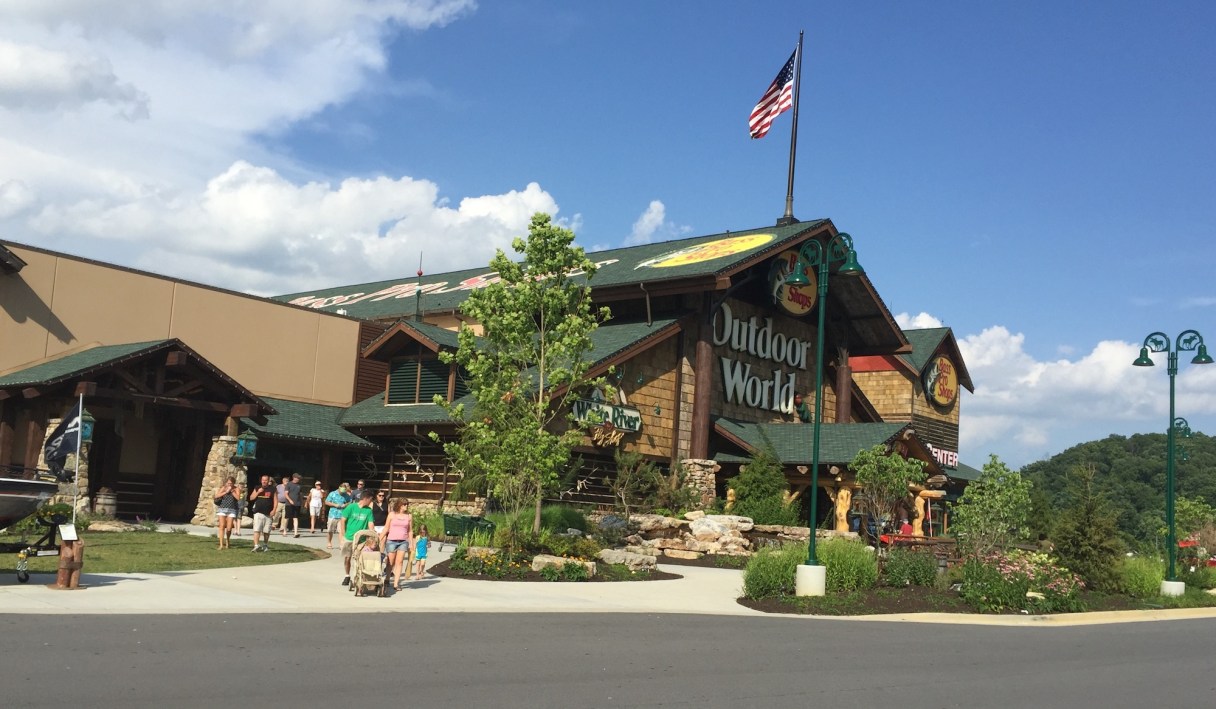
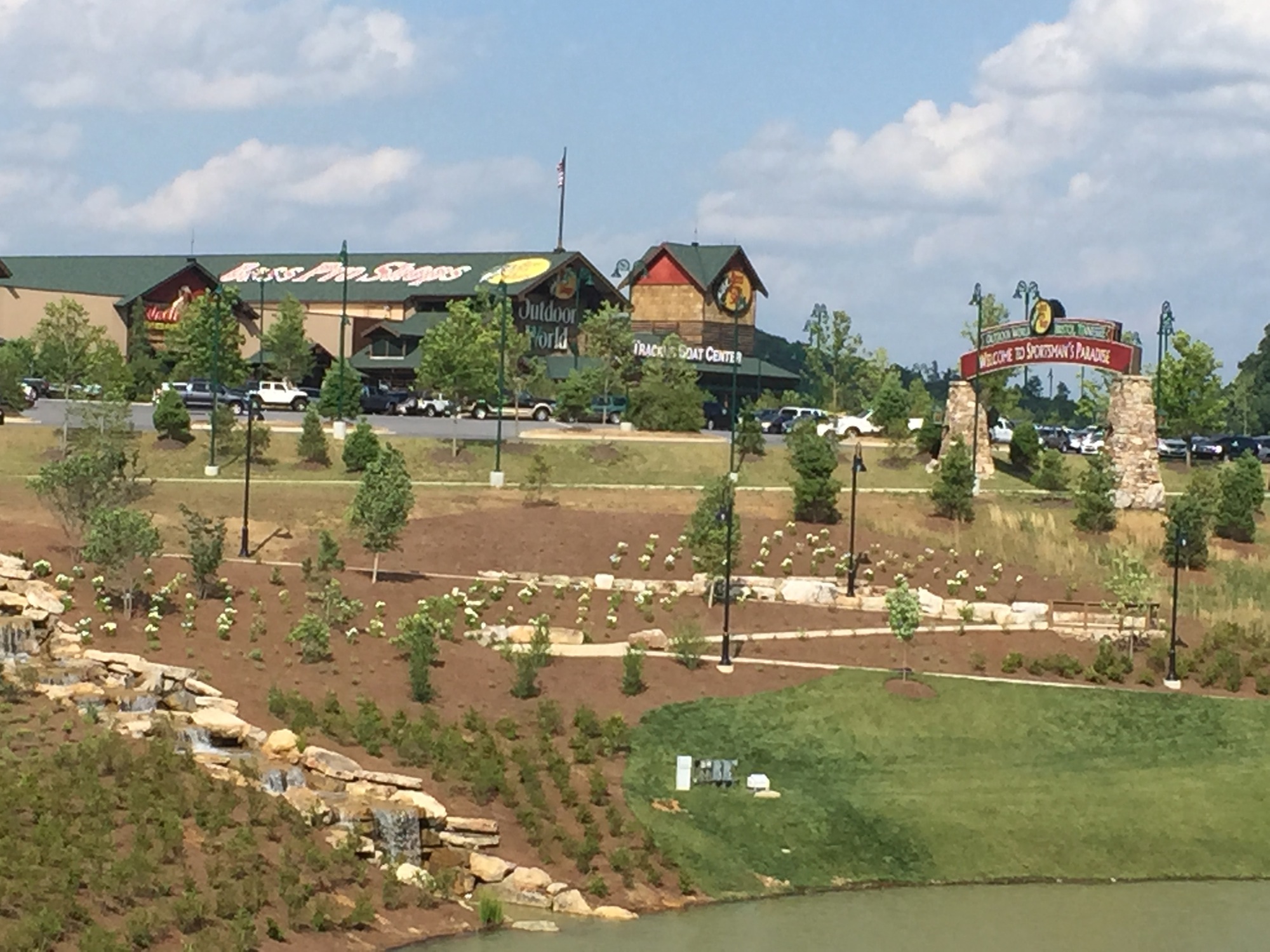
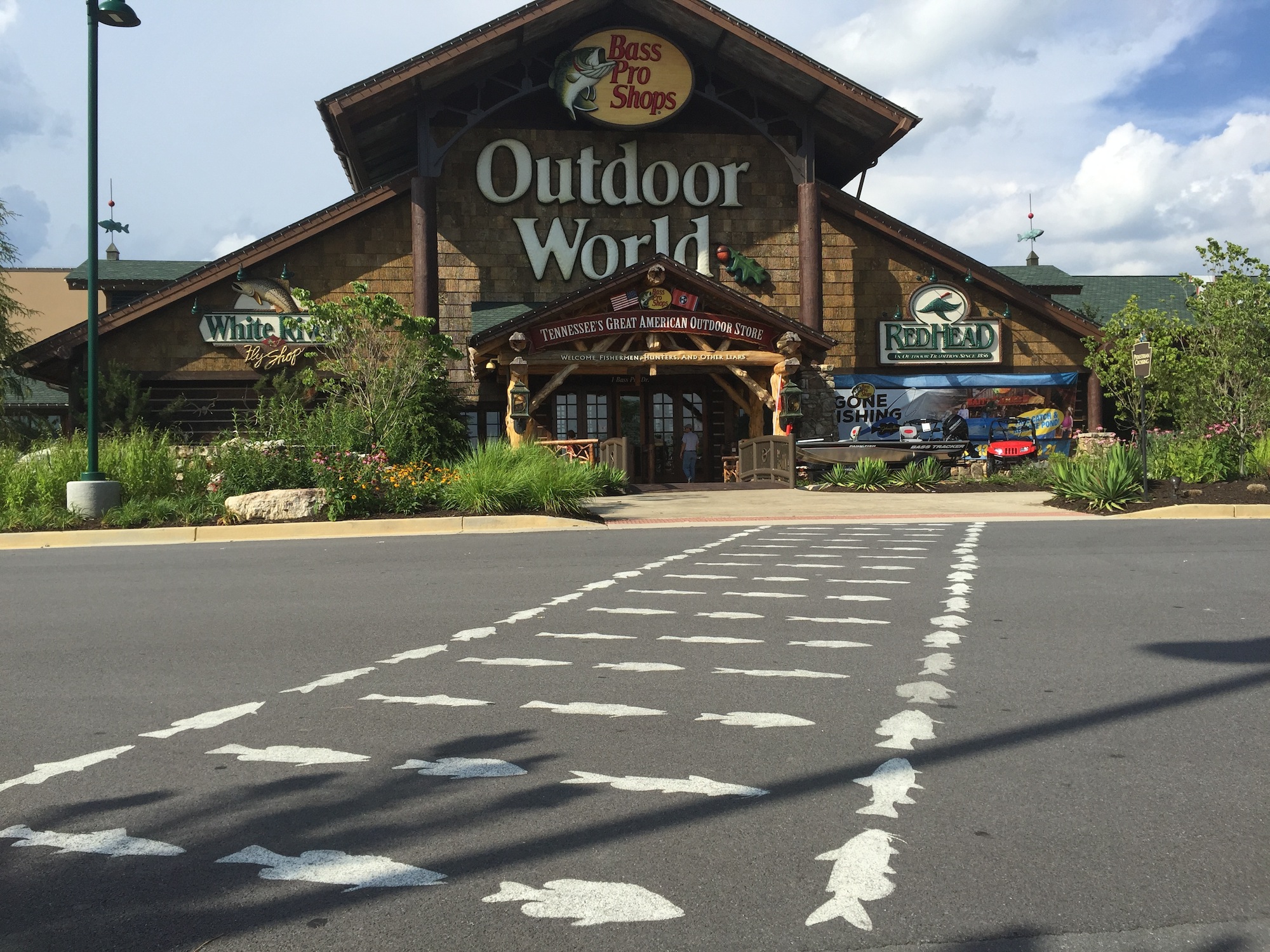
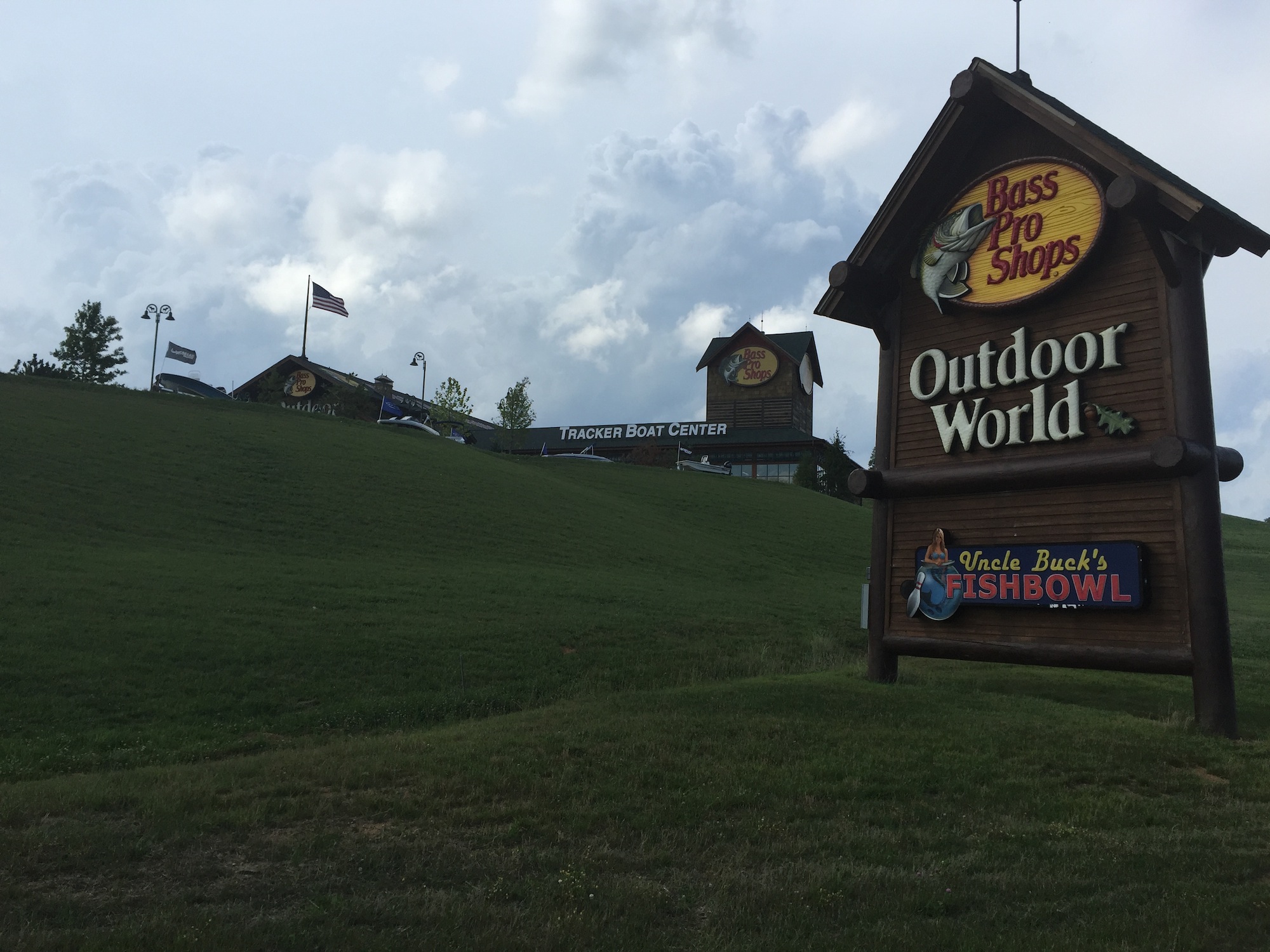
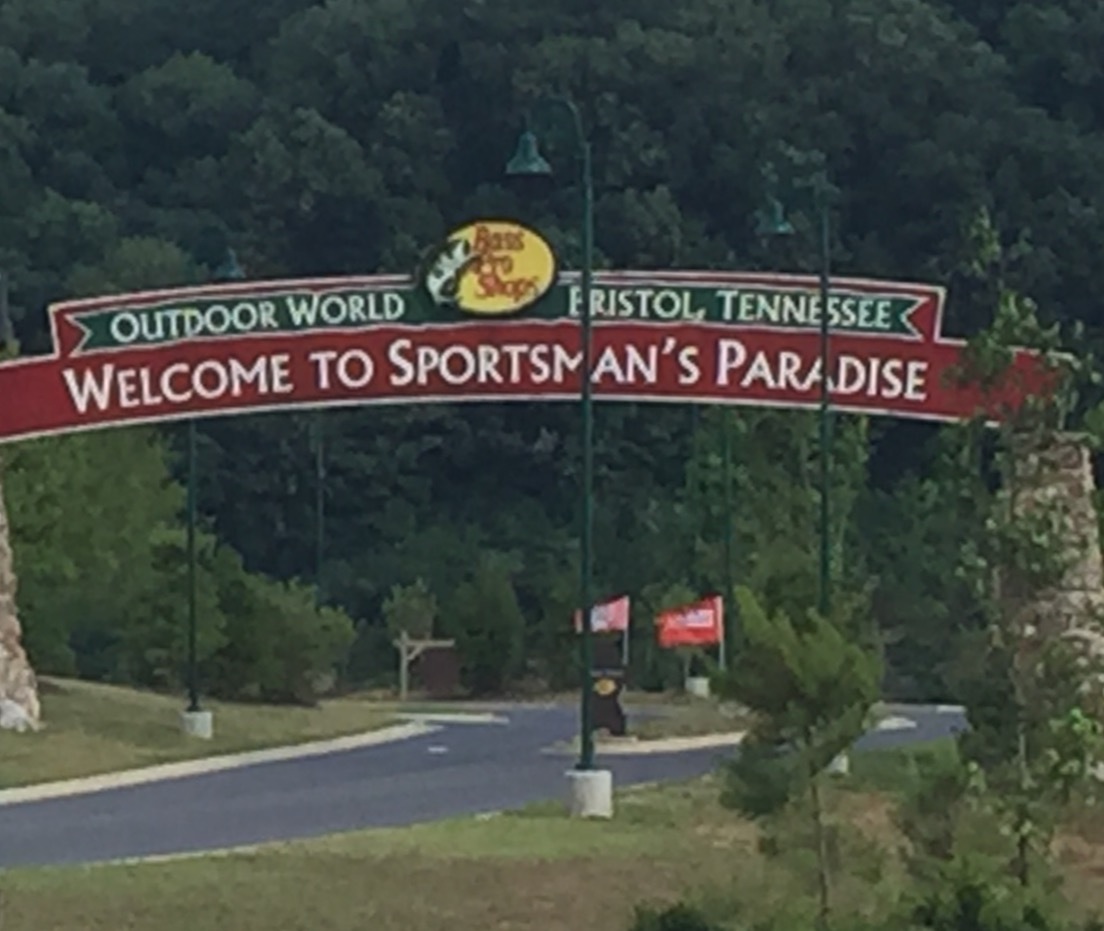
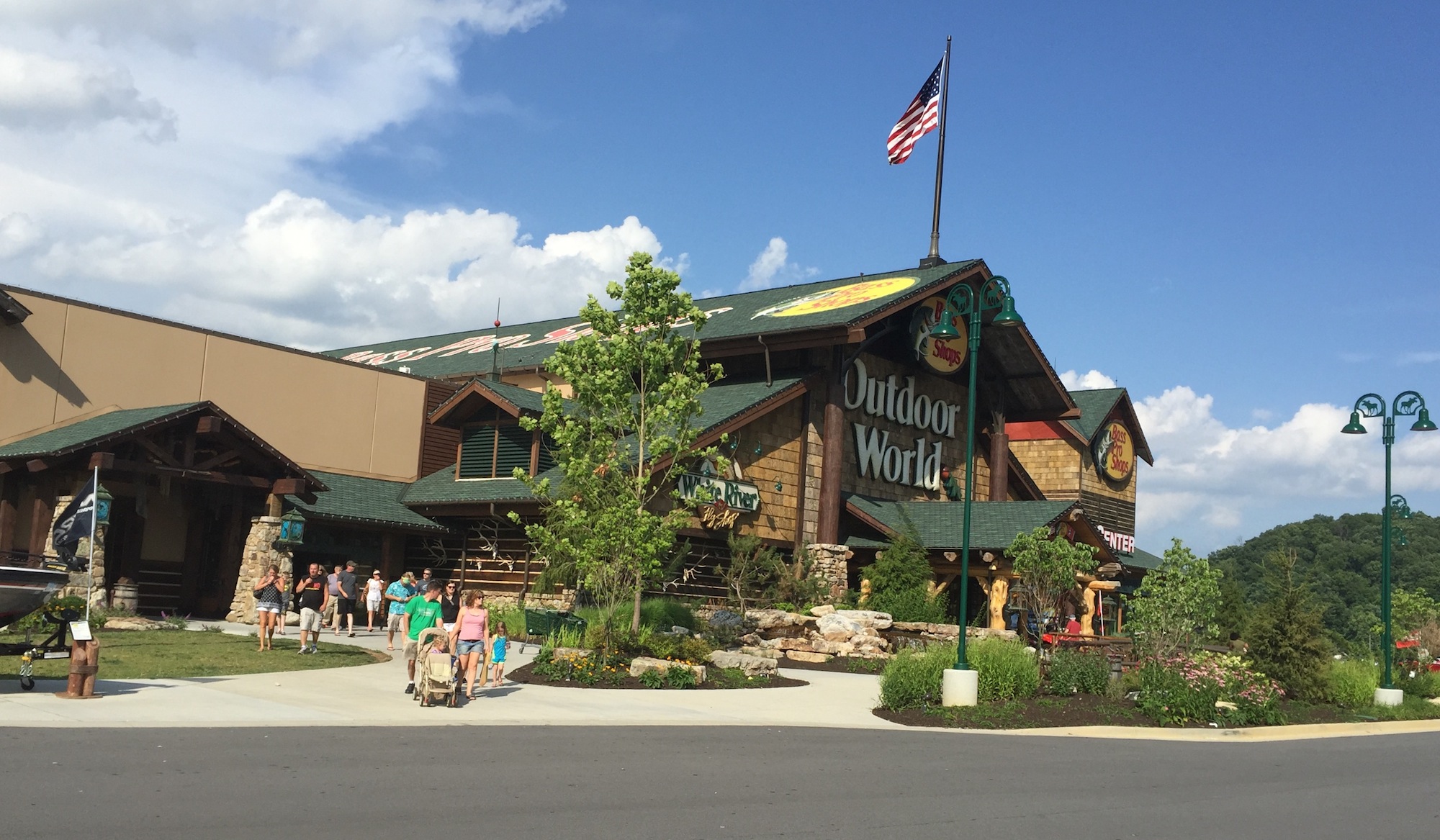
TALE OF THREE CITIESBristol – Developer Steve Johnson has built of a sprawling 200-acre, $150 million-plus retail and commercial development called the Pinnacle along Interstate 81 near the border with Virginia. The project includes a Bass Pro Shop, a city lake and park and dozens of retail shops and restaurants and is estimated to represenet a $300 million investment upon total build-out.Kingsport – Although Kingsport is credited with coming up with the border region idea and there are ongoing talks between developers and city officials, there has been no significant development in the area that borders southwest Virginia.East Ridge – A $25 million Bass Pro Shop will open by June and will anchor a 50-acre retail and commercial development called Jordan Crossing Centre, which could cost upwards of $100 million to complete.
Back in the midst of the greatest economic recession since the Great Depression, East Ridge officials were trying to figure out how to grow the city’s tax base.
East Ridge relies heavily on the Ringgold Road corridor, packed with restaurants and retail outlets. But city leaders watched helplessly as aging hotels and stores were torn down or converted to flea markets and rental apartments while across the border in Fort Oglethorpe a giant Costco was built.
The leaders of Chattanooga’s biggest suburban city were anxious to lure more big-name retailers by using its prime location on Interstate 75 with the first exit in Tennessee for northbound travelers. But many big box retailers had stopped opening new stores.