
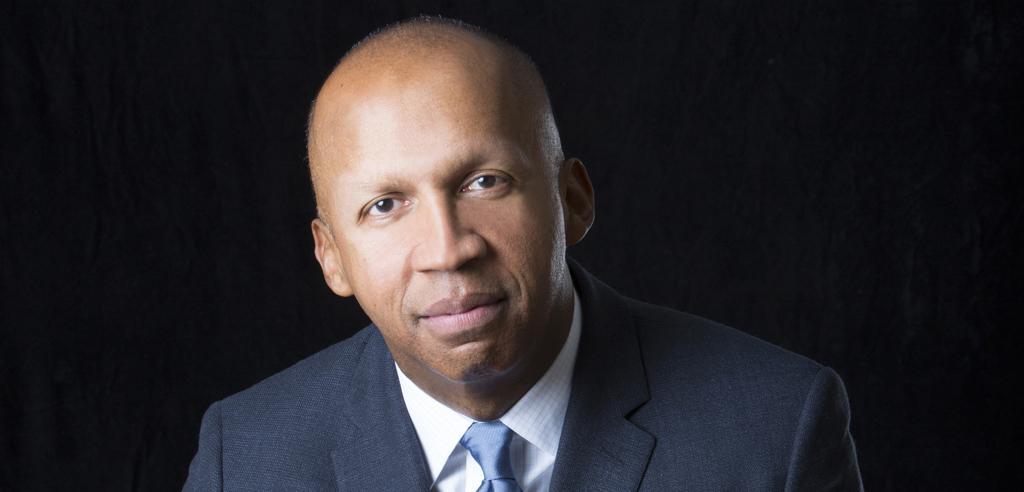
 Evan Milligan
When the Equal Justice Initiative opens the Memorial to Peace and Justice in Montgomery, Ala., in spring 2018, it will contain the soil from lynching sites across the South, including Chattanooga.
Most Southern lynching victims were killed on sites that remain unmarked and unrecognized. The jars of soil that are being collected will hold their stories.
“In this soil, there is the sweat of the enslaved,” Director Bryan Stevenson says on the EQI website. “In the soil there is the blood of victims of racial violence and lynching. There are tears in the soil from all those who labored under the indignation and humiliation of segregation. But in the soil there is also the opportunity for new life, a chance to grow something hopeful and healing for the future.”
The thinking that one life holds more value than another led to more than 4,000 black people being killed from 1877 to 1950 in an era of racial lynching in this country, according to Evan Milligan, law fellow at the Equal Justice Initiative, a nonprofit that challenges poverty and racial injustice and advocates for equal treatment in the criminal justice system.
That same thinking stands responsible for the disproportionate mass incarceration of people of color in this century, he says.