
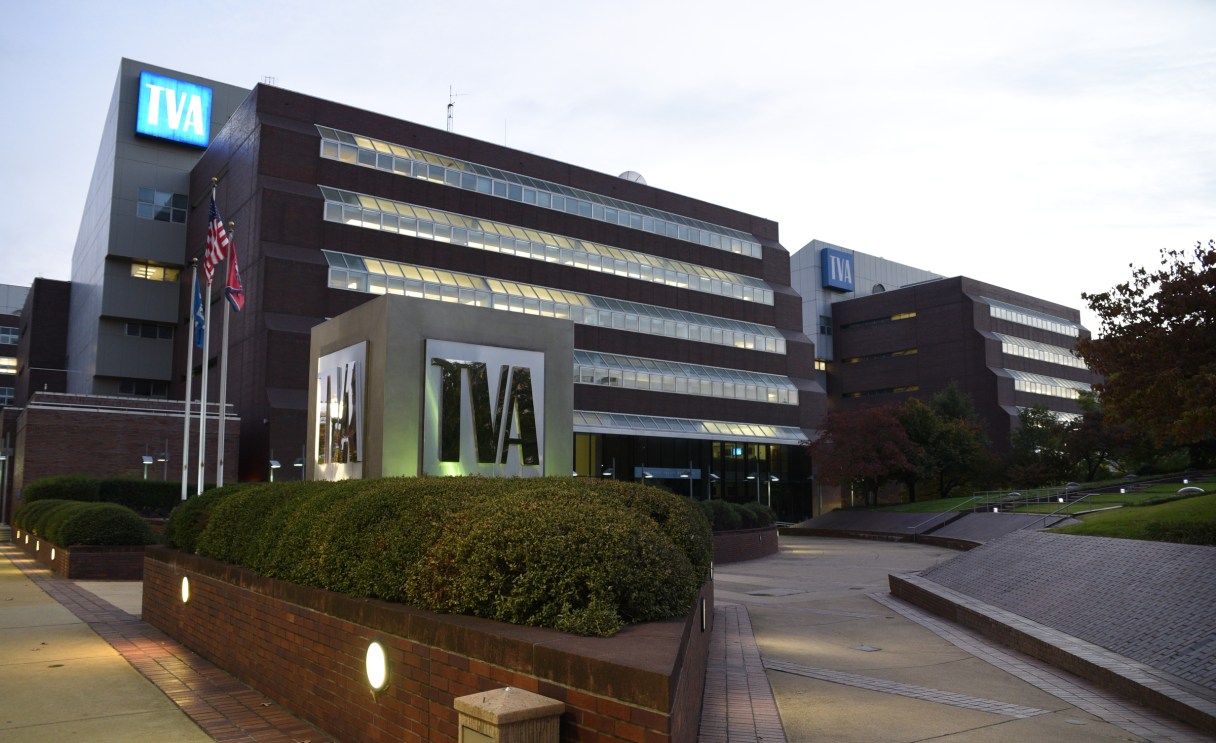
KNOXVILLE – For the first time in 13 years, the Tennessee Valley Authority is offering cheaper power for the municipalities and power cooperatives that distribute its electricity if they agree to long-term purchase contracts with the federal utility.
TVA directors on Thursday approved a budget for fiscal 2020 that suspends further wholesale rate increases and offers a 3.1% monthly rebate to any of the 154 TVA distributors that agree to sign new 20-year contracts with TVA. TVA’s $10.6 billion spending plan for next year ends the six-year-long pattern of base rate increases to pay down the agency’s debt, which CEO Jeff Lyash said can now be managed without higher costs for consumers.
In his first budget proposal since becoming CEO of the nation’s biggest public utility in April, Lyash also proposed a 10-year plan to keep rates stable and even hinted rate cuts could occur if TVA is able to pare more expenses in the future.
“Since 2013, we’ve been focused on strengthening our financial foundation to allow us to better meet future needs,” Lyash said, noting that debt has fallen to the lowest level in 25 years. “Through hard work and dedication to that goal, we’ve achieved many of our 10-year goals in only six years, which allows us to keep our wholesale rates steady. With the improvements we’ve made, we believe we can deliver a decade of flat wholesale rates.”
TVA distributors welcomed the prospect of stable rates, although an environmental group said the energy burden for many Tennessee Valley residents remains high because of higher power usage in the TVA region compared with most of the country. The Southern Alliance for Clean Energy said Tennessee households pay the 12th-highest energy bills in the nation, primarily because of higher per capita use of electricity due to the weather in the region (summer and winter peaks) and less insulation and weatherization in homes and buildings in the Tennessee Valley.