

Friday, November 13, 2026Nov 13

Chattanooga rental payments rise less than income last year, but nearly half of renters still burdened, study shows

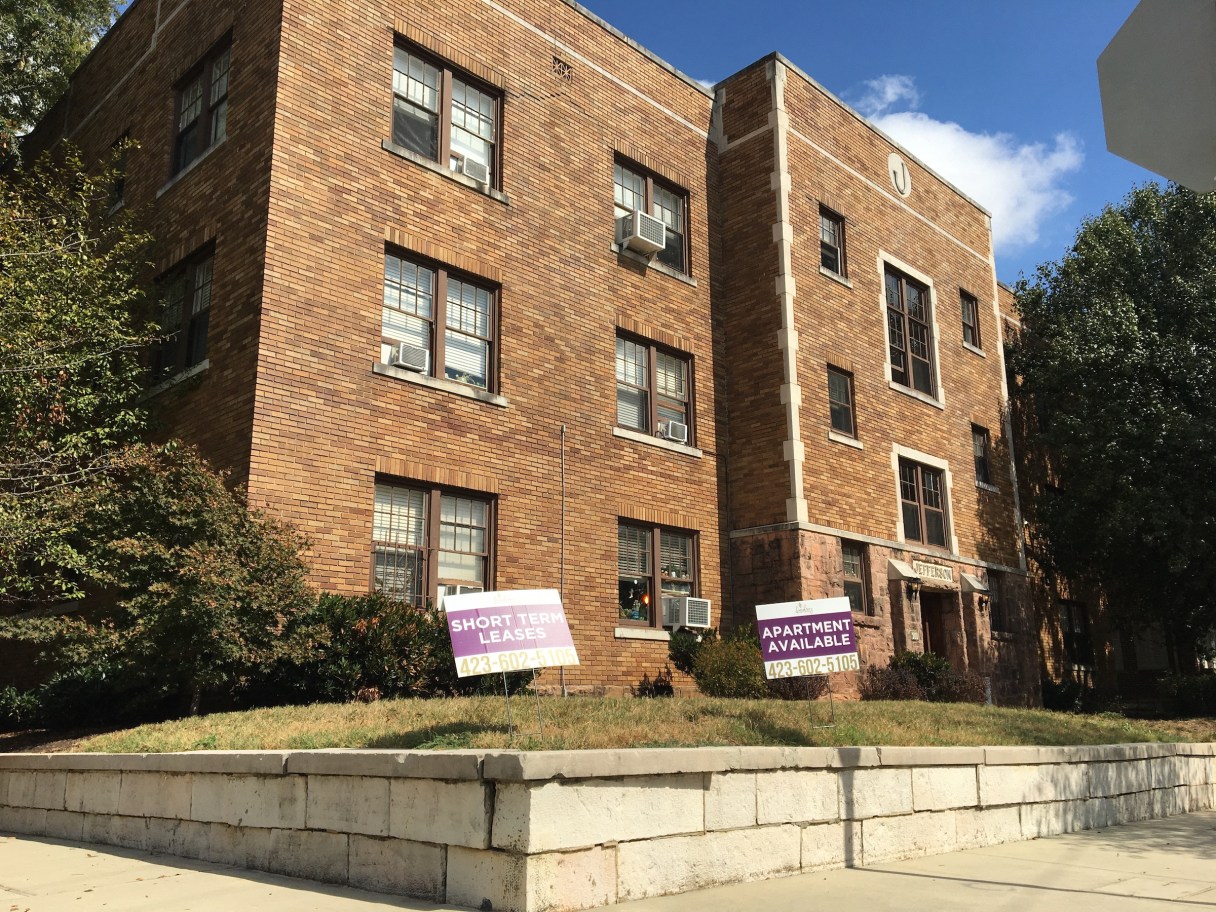
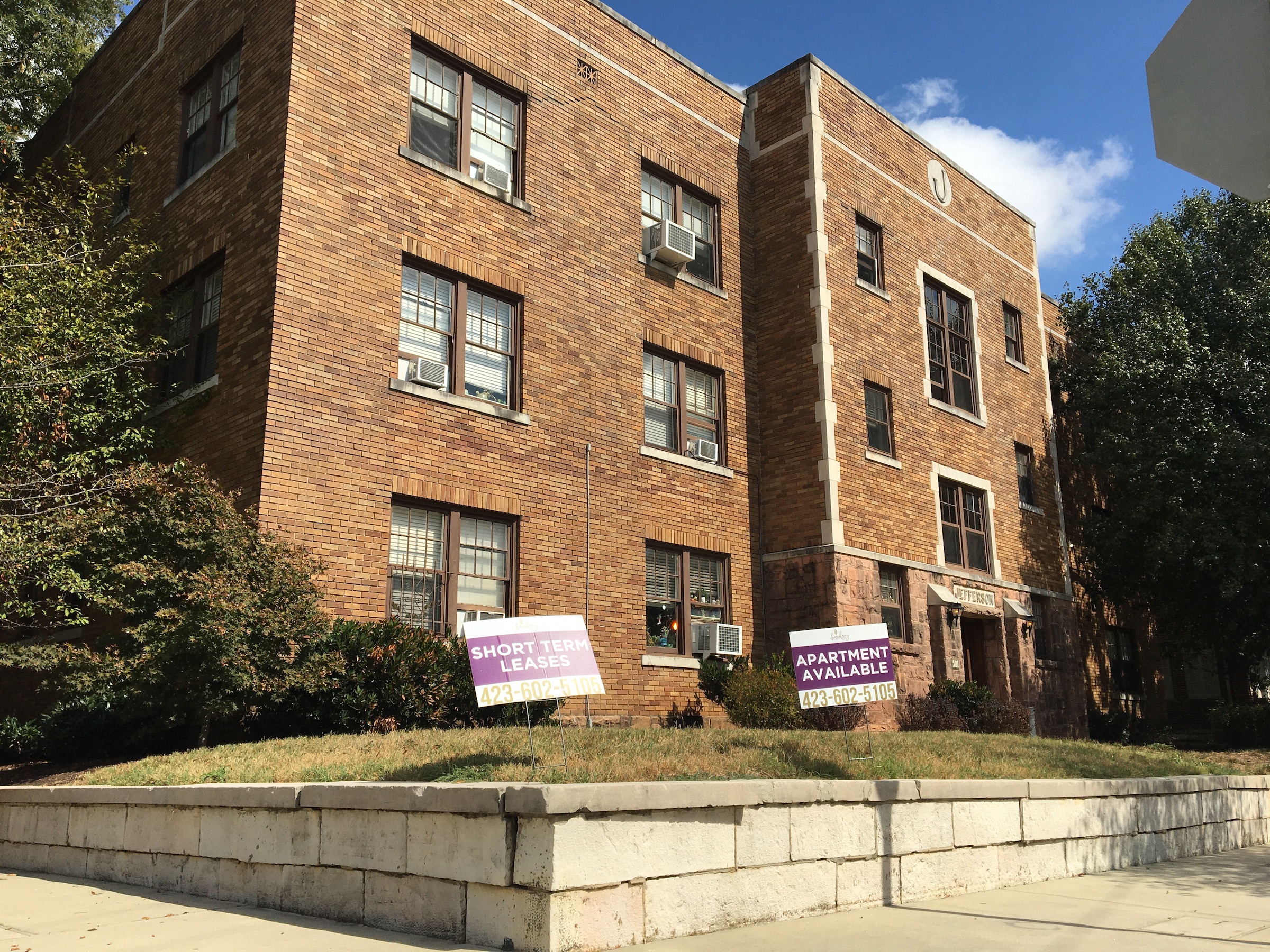
Staff photo by Dave Flessner / Jefferson Apartments in downtown Chattanooga advertise units for rent. Despite rising rental rates, the share of cost-burdened renters dropped last year in Chattanooga and remained below the U.S. average even though nearly half of all renters are paying above the recommended 30% of their income in rent.
Staff photo by Dave Flessner / Jefferson Apartments in downtown Chattanooga advertise units for rent. Despite rising rental rates, the share of cost-burdened renters dropped last year in Chattanooga and remained below the U.S. average even though nearly half of all renters are paying above the recommended 30% of their income in rent. Staff photo by Dave Flessner / Jefferson Apartments in downtown Chattanooga advertise units for rent. Despite rising rental rates, the share of cost-burdened renters dropped last year in Chattanooga and remained below the U.S. average even though nearly half of all renters are paying above the recommended 30% of their income in rent.

The share of cost-burdened renters in Chattanooga last year fell to the lowest level in more than a decade as rising wages outpaced the local increases in apartment and rental housing costs, according to a new study by Apartment List.

But more than 4 of every 10 renters in metropolitan Chattanooga – and 49.7% of all renters nationwide – still paid more than the recommended 30% of their income for housing last year.

“In spite of a low unemployment rate and increasing wages, virtually half of American renter households struggle with their housing costs,” said Chris Salviati, a housing economist at Apartment List. “We are living through the longest U.S. economic expansion on record, but for many, housing costs are eating away at any celebration.”

The number of cost-burdened renter households jumped by 299,000 from 2017 to 2018, and is now 2.8 million higher than it was in 2008, Salviati said.

“Although the cost burden rate has fallen meaningfully from its 2011 peak, most of that improvement has been driven by an influx of high-income households to the rental market,” Salviati said.