
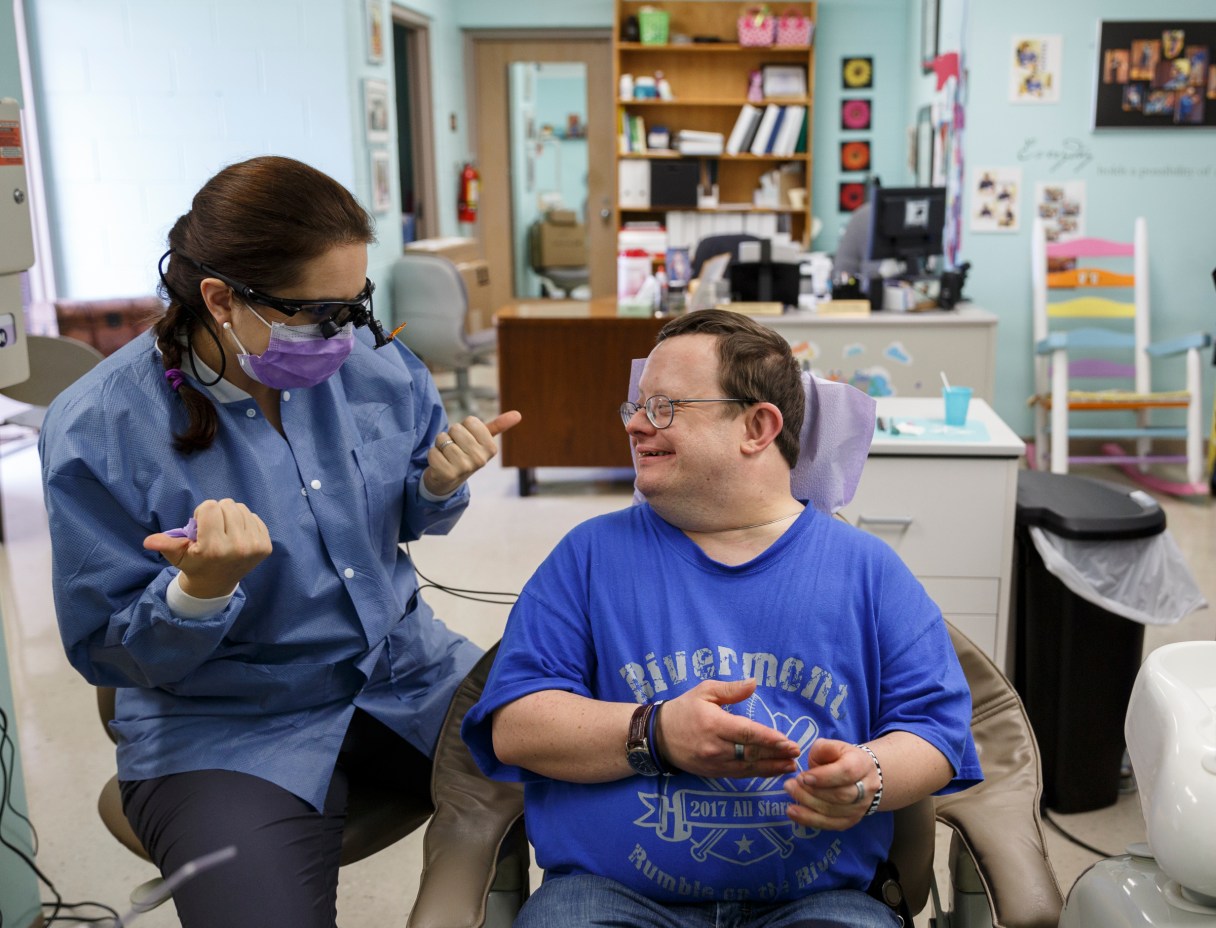

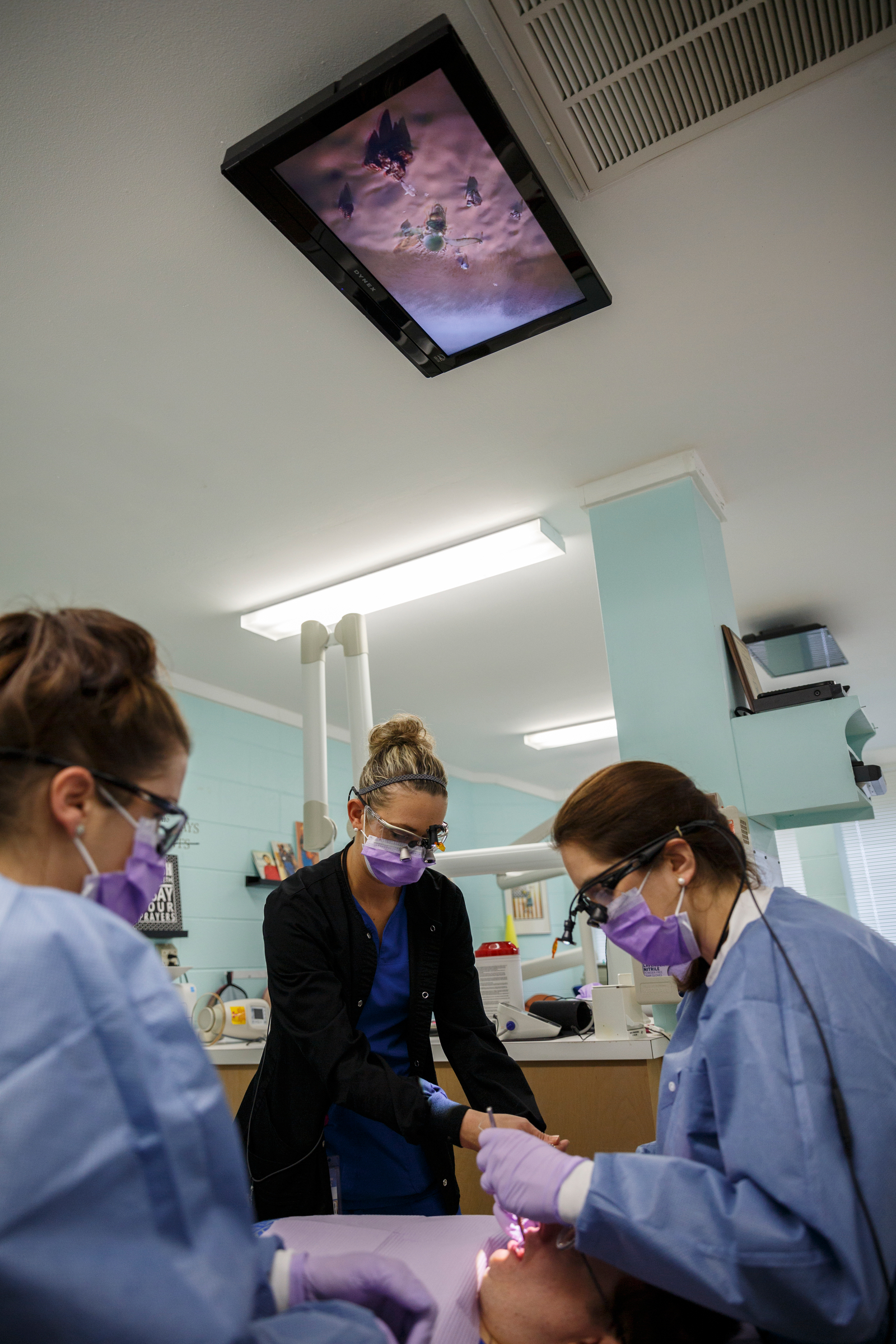
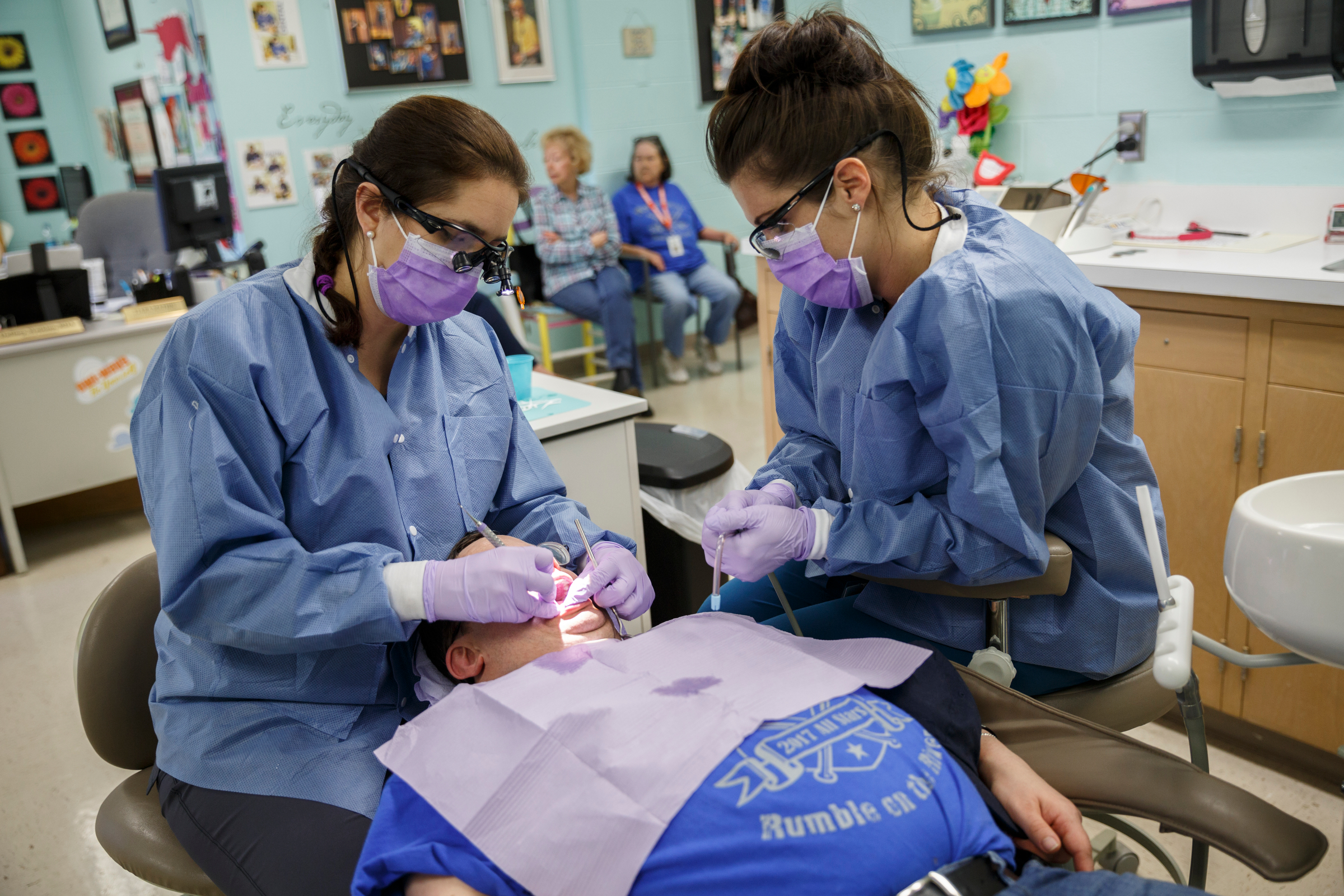
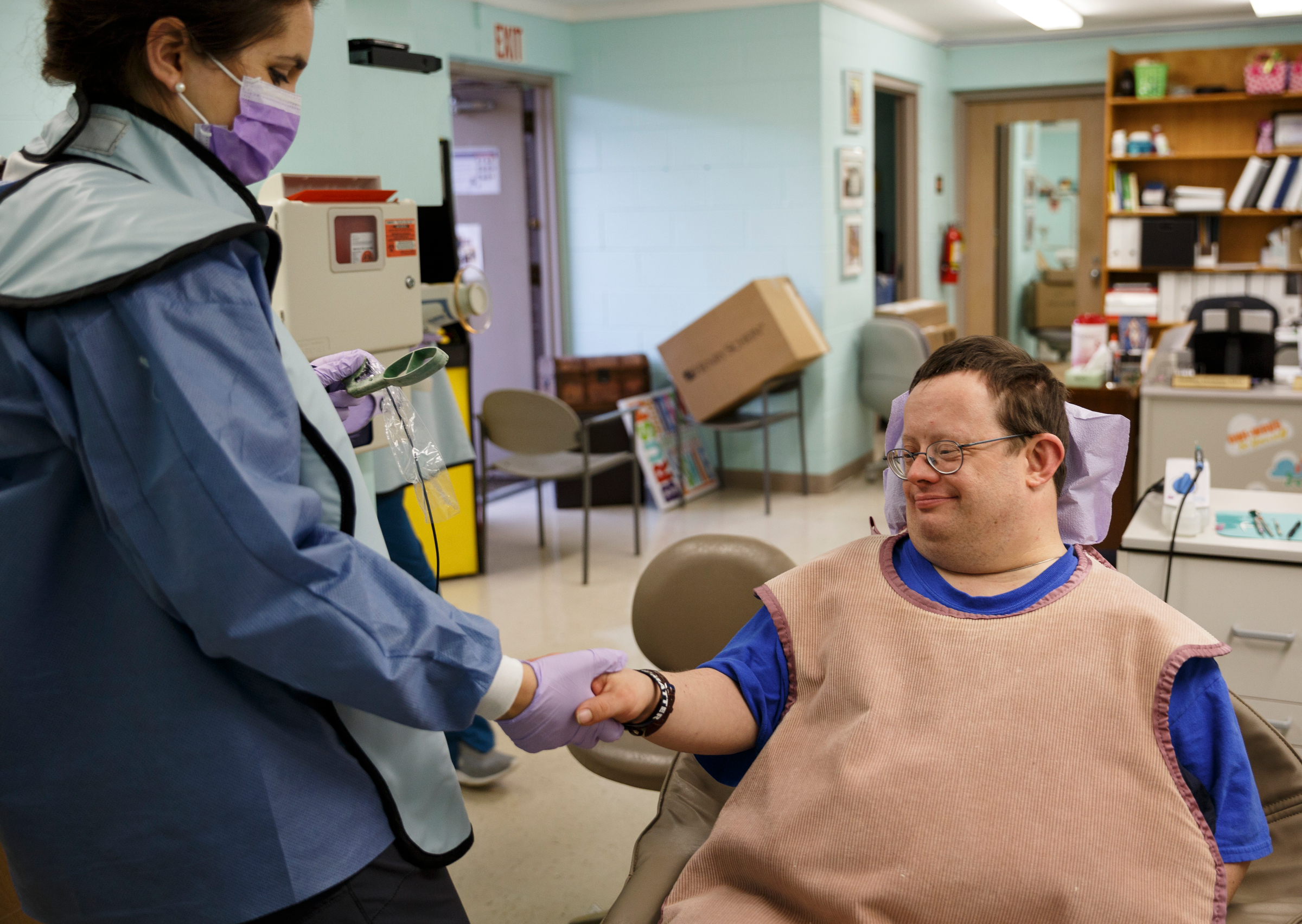
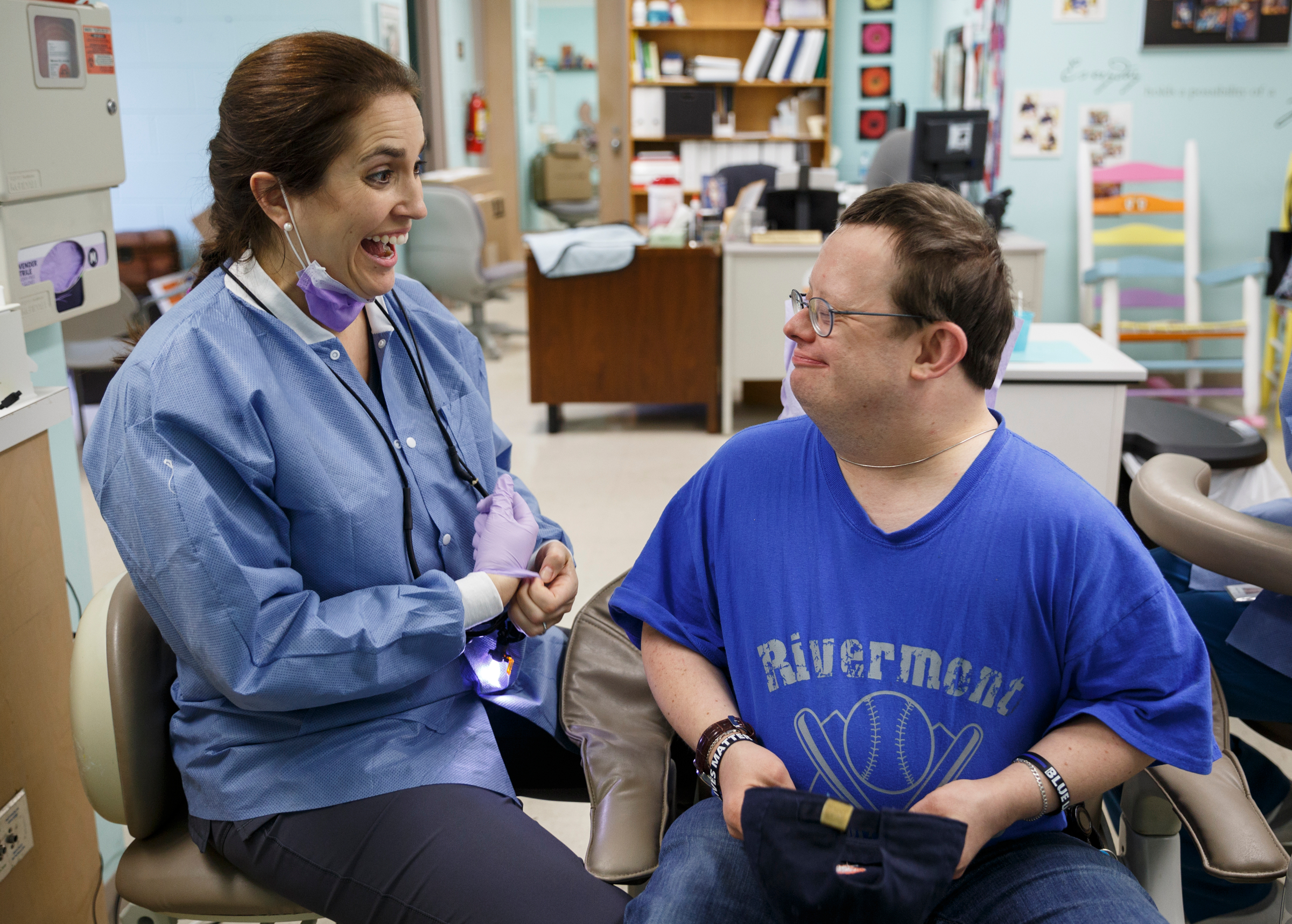
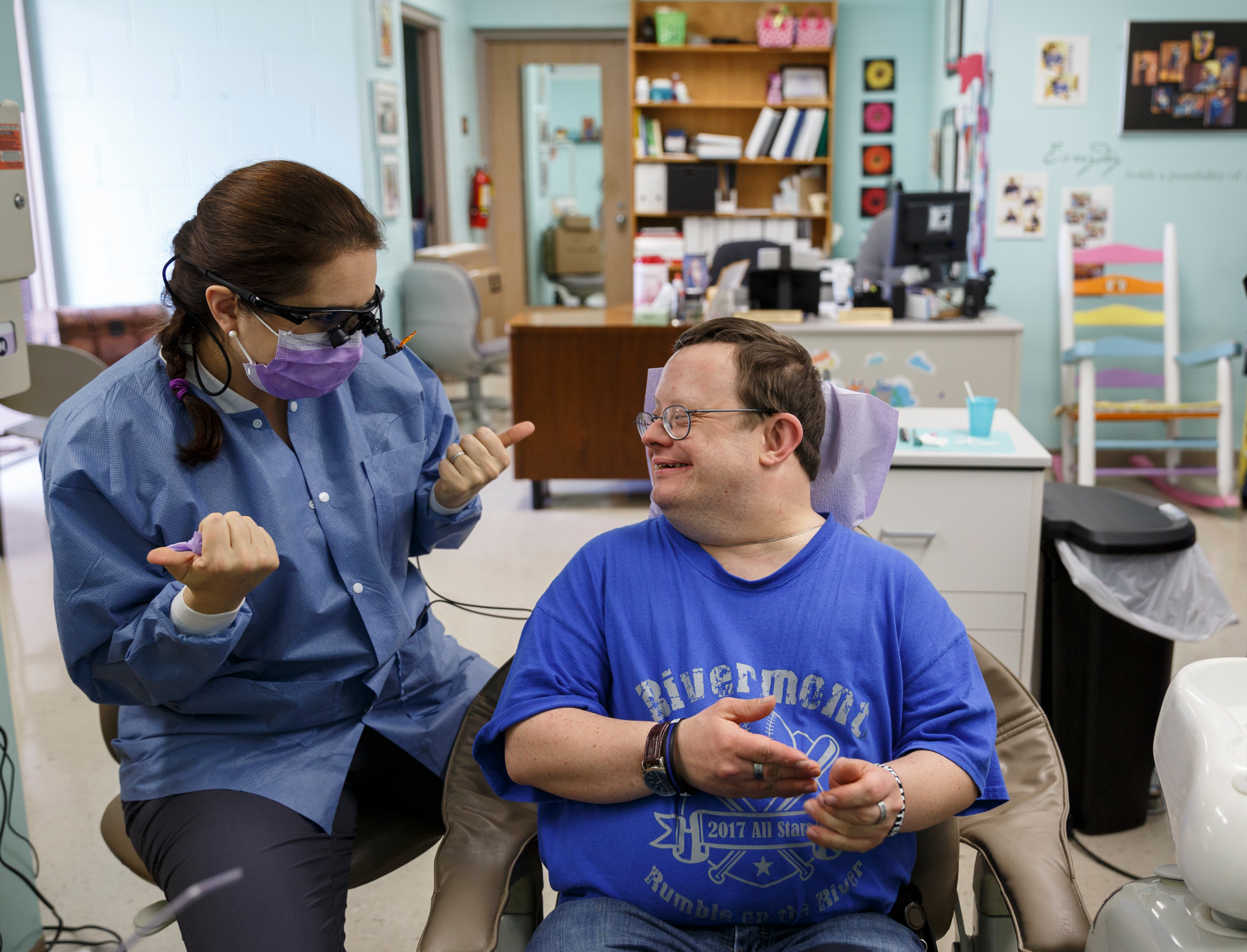
What if the simple choice of going to see a dentist wasn’t available to you?
That’s the plight of many people with disabilities, despite slowly changing public perceptions and laws that protect them from discrimination.
Approximately 102,000 Tennesseans, according to data from the state’s Council on Developmental Disabilities, have intellectual and developmental disabilities, a broad category that includes autism, epilepsy, cerebral palsy, fetal alcohol syndrome and other disorders that manifest at birth or during childhood. Disabilities can be physical, such as blindness, cognitive or a combination of the two, and may be caused by genetic conditions, health problems or environmental exposures.
Most disabilities are life-long and complex, and while there are medical professionals who specialize in treating this population, many individuals with disabilities – particularly adults with special needs – struggle to find providers who are trained and willing to treat them.
“The medical community often is just not prepared to or they don’t have experience with treating people with intellectual disabilities, and that applies, I think, even more stringently toward dentists,” said Wanda Willis, executive director of the Tennessee Council on Developmental Disabilities. “We hear from family members that they have a real difficult time finding dentists.”