
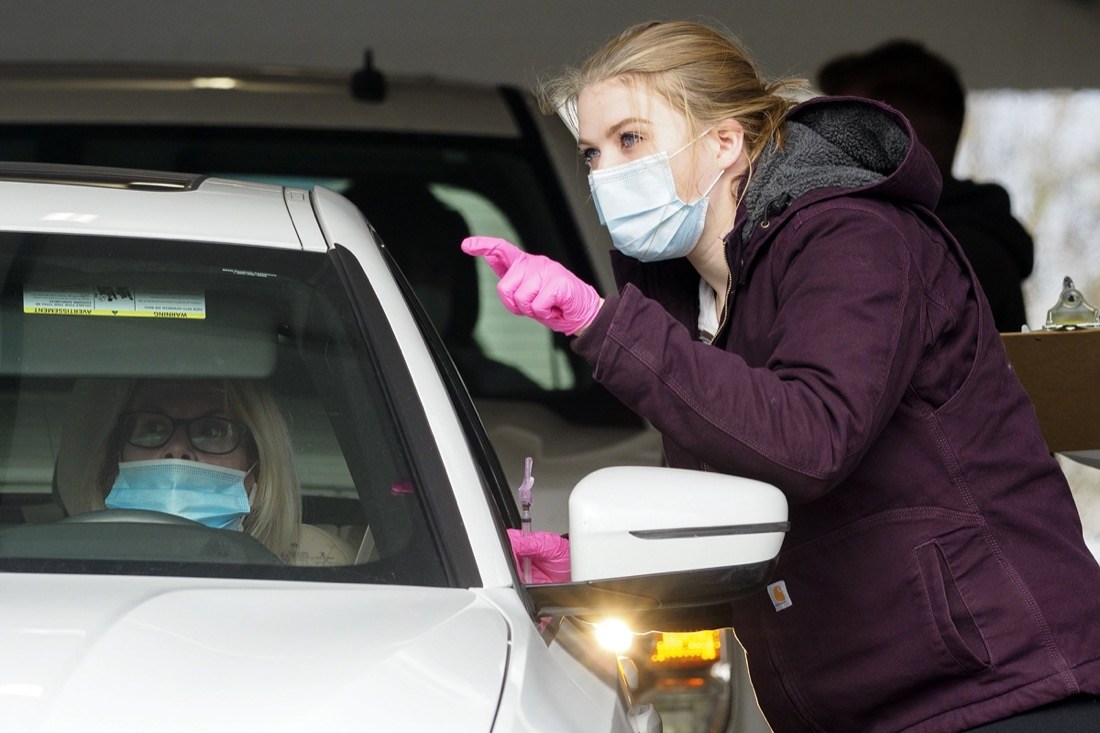
There’s a lot to celebrate about having safe and effective COVID-19 vaccines on the ground within less than a year of the pandemic’s onset. But now that vaccine is here, much of the public is left wondering why getting doses in arms – which experts say is our ticket out of the pandemic – isn’t going smoother and faster.
“We don’t have enough vaccine, and that has created anxiety, it’s created frustration, it’s created long lines, it’s created a misunderstanding about what vaccines are available and what we should be doing to make sure that everyone that wants one gets one,” Tennessee Gov. Bill Lee said during a news briefing on Friday. “The fact that vaccine has been slow and limited to roll out has been a great challenge for us.”
Tennessee is not alone in its struggle. Although each state was required to submit vaccine distribution plans to the U.S. Centers for Disease Control and Prevention in October, Hani Mahmassani, a professor and director of the Northwestern University Transportation Center, said the rate at which the United States is vaccinating is “quite low compared to where it needs to be.”
As of Friday, more than 22.1 million doses of vaccine had been distributed across the United States, according to CDC data. But fewer than 6.7 million residents had received their first dose – nowhere near the Trump administration’s promise to vaccinate 20 million people by the end of 2020.
Dr. Wafaa El-Sadr, an epidemiology professor at Columbia University, told the New York Times that the pace is concerning, especially given that the first vaccination phase should be the simplest.