
When I look back on college, there are few things I can remember learning. One was that you can throw up well after you think you’re done. On one particularly hungover morning, I called the Memphis Alcoholic Helpline and asked how to make a Singapore Sling.
But what I remember and liked most about college was reading works that really made sense to me. That animated me. First, the works of Ayn Rand. Then, in a particularly fair-minded economics class (a program hidden in Georgetown University’s summer curriculum), I discovered economist Adam Smith.
Born in Scotland on June 5, 1723, the best economist in history, Adam Smith, would be 300 years old this month. If he were alive, he would be happy to see that he was entirely right in his books, including “Theory of Moral Sentiment” and his seminal work, “Wealth of Nations.” Both should be required reading.
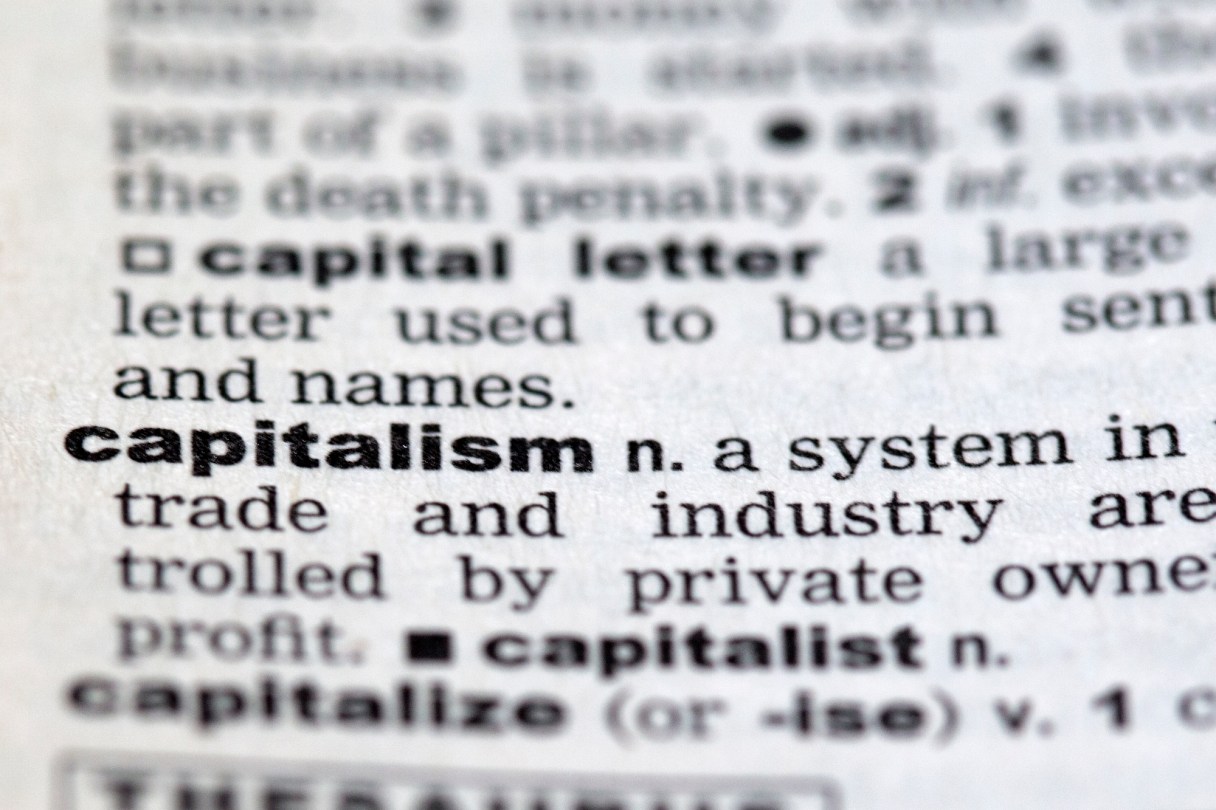
Adam Smith was the first to study and write about economics as an academic subject worthy of study and exploration. Before Smith, wealth distribution was considered to be “God’s will,” so as to keep the common man down and wealth in the hands of the inheritors. It served the purpose of the (then) liberal elites by making financial upward mobility harder and caused the average man to pay more for goods and services by restricting competition. Adam Smith was the “father of capitalism,” and capitalism has done more to improve the lives of people than any form of faux altruism or big government socialism on earth.
He was the first to call out crony capitalism; he called it “mercantilism.” It is a state of economics from which Democrats love to grift, a form of Mafia-like protection. Politicians give you governmental protections for your business and you funnel money back to them.